

How to pick artist designs for unique merchandise
Mar 13, 2026
Choosing artist designs for your merchandise can feel like standing in front of an endless gallery wall, unsure which piece truly speaks to you. With countless styles, artists, and themes available, the decision becomes overwhelming rather than exciting. This guide cuts through the confusion by providing a clear framework to help you confidently select designs that authentically reflect your personality and values. You’ll discover practical steps to prepare, evaluate, and choose artist designs that transform ordinary items into powerful expressions of your unique identity.
Table of Contents
- Preparing To Pick The Right Artist Designs
- Tools And Criteria To Evaluate And Select Artist Designs
- Step-By-Step Guide To Picking Artist Designs
- Verifying Your Choices And Making The Most Of Your Artist Designs
- Explore Unique Artist Designs At Art-O-Rama Shop
- FAQ
Key takeaways
| Point | Details |
|---|---|
| Define your aesthetic first | Clarify your personal style, preferred colors, and the message you want to convey before browsing designs. |
| Use evaluation criteria | Apply specific tools like originality checks, emotional impact assessment, and quality reviews to compare options objectively. |
| Follow a structured process | Move through budget setting, research, shortlisting, visualization, and confident purchase decisions systematically. |
| Verify and maximize impact | Confirm design suitability post-purchase and learn how to showcase your selections effectively across different mediums. |
Preparing to pick the right artist designs
Before diving into catalogs and collections, you need a clear understanding of what you’re actually looking for. Identifying your style and values forms the foundation for meaningful art selection that you’ll love for years. Start by defining your personal aesthetic. Are you drawn to bold, vibrant colors or subtle, minimalist palettes? Do you prefer abstract expressions or realistic portrayals? Write down the emotions and messages you want your chosen designs to communicate, whether that’s rebellion, joy, sophistication, or nostalgia.
Consider the practical contexts where you’ll showcase these designs. Will you wear them to casual gatherings, display them in your home, or use them as conversation starters at creative events? Your answer shapes which designs make sense. A provocative Banksy piece might energize your weekend wardrobe but feel out of place in conservative settings. A Matisse cutout could bring calm to your living room while a Warhol pop art print adds energy to your workspace.
Create a shortlist of your preferences to guide your search:
- Artistic movements that resonate with you (impressionism, pop art, street art, surrealism)
- Color schemes that complement your existing wardrobe or decor
- Themes that align with your values (social commentary, nature, humor, cultural heritage)
- Artist backgrounds and stories that inspire you personally
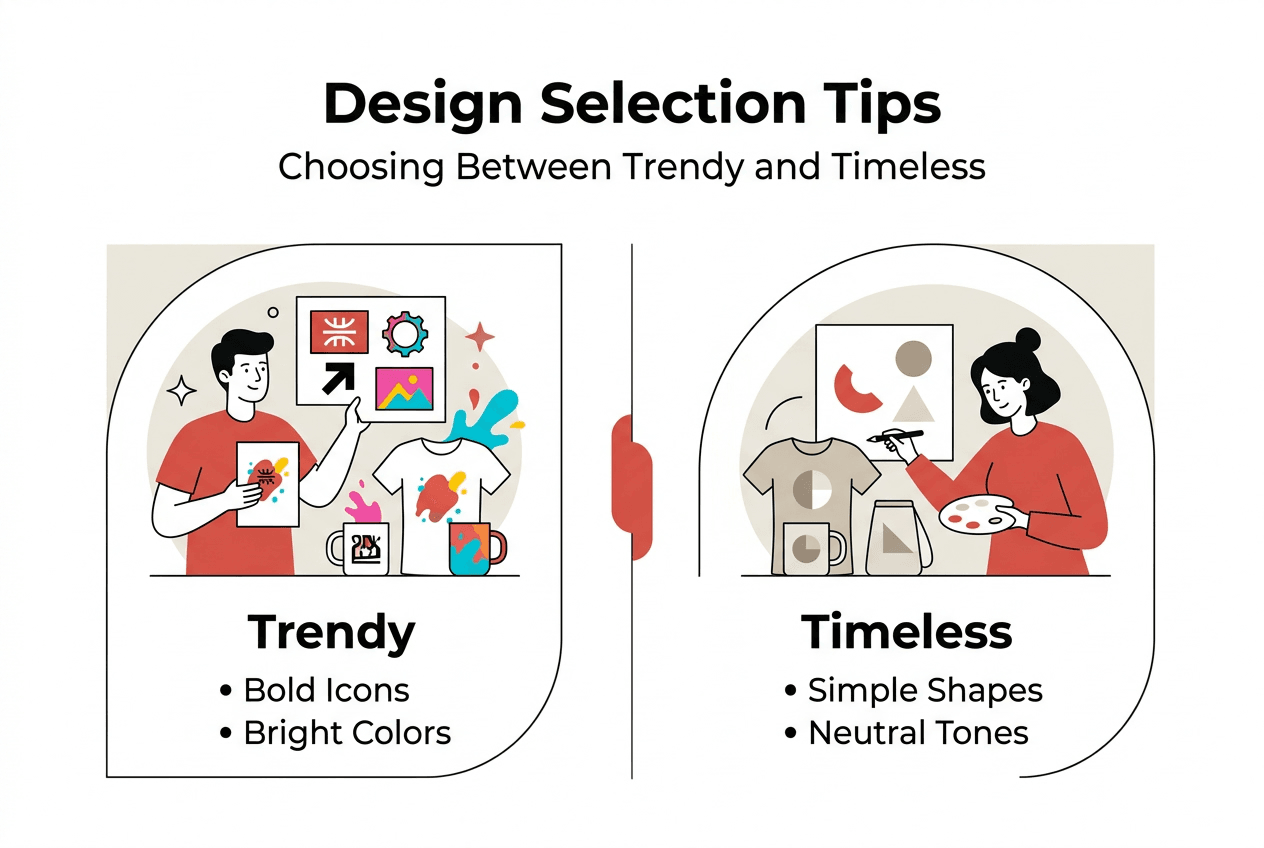
Understanding the difference between trendy and timeless designs helps you make choices you won’t regret. Trendy designs capture current cultural moments and can feel dated quickly, while timeless pieces maintain their appeal across decades. Neither is wrong, but knowing your preference prevents buyer’s remorse. If you love the energy of what’s current, embrace it. If you want designs that age gracefully, focus on classic compositions and enduring themes.
Pro Tip: Build a digital mood board using Pinterest or a simple folder of saved images. Collect 15 to 20 designs that catch your eye over a week, then review them together. Patterns will emerge showing your true aesthetic preferences, making it easier to articulate what you want when browsing actual merchandise.
Tools and criteria to evaluate and select artist designs
Once you know what you’re seeking, you need objective ways to assess whether specific designs meet your standards. Evaluation criteria transform subjective feelings into measurable qualities you can compare. Start with originality. Does the design offer a fresh perspective or unique interpretation, or does it feel like a generic reproduction? Original designs carry more personal meaning and conversation value than mass-produced imitations.
Emotional impact matters enormously. Stand back and observe your genuine reaction. Does the design make you smile, think, or feel energized? Art that sparks authentic emotion creates lasting connections. Color harmony determines whether a design feels cohesive or chaotic. Look for balanced palettes where colors complement rather than compete, unless intentional discord is part of the artistic statement. Quality of execution separates amateur work from professional craftsmanship. Examine line work, composition balance, and technical skill visible in the design.

Graphic art in fashion boosts engagement by about 40%, showing the power of good design choices. This statistic reveals why investing time in proper evaluation pays off. When you select designs that genuinely resonate, you’re more likely to wear or display them frequently, maximizing your investment.
Use this comparison framework to evaluate designs systematically:
| Criteria | What to Look For | Red Flags |
|---|---|---|
| Originality | Unique interpretation, distinctive style | Obvious copies, generic themes |
| Emotional Impact | Genuine personal reaction, memorable imagery | Indifference, confusion |
| Color Harmony | Balanced palette, intentional contrasts | Clashing colors, muddy tones |
| Technical Quality | Clean lines, professional composition | Pixelation, poor cropping |
| Versatility | Works across multiple contexts | Too niche or context-specific |
Leverage available digital tools during your search. Online previews let you see designs on actual products, helping you visualize scale and placement. Artist profiles provide context about creative vision and technique, deepening your appreciation. Community reviews offer real-world feedback on quality, durability, and how designs look in person versus online. Read both positive and critical reviews to get balanced perspectives.
Pro Tip: Balance popular trends with personal uniqueness by applying the 70/30 rule. Let 70% of your selection criteria focus on timeless qualities that match your core aesthetic, while allowing 30% for trendy elements that capture current cultural moments. This approach keeps your collection fresh without becoming dated quickly.
Step-by-step guide to picking artist designs
With preparation complete and evaluation tools ready, you can now move through the selection process systematically. Following structured steps prevents impulse purchases you’ll regret and ensures each choice aligns with your vision.
-
Set your budget and identify priorities. Decide how much you’re willing to invest in artist merchandise and rank what matters most: artist reputation, design exclusivity, product quality, or variety. Your budget shapes which collections you explore and helps you make trade-offs when necessary.
-
Research artists and designs matching your style. Use your mood board and preference list to guide targeted searches. Explore collections organized by artist, art movement, or theme. Save multiple options that meet your criteria rather than committing to the first appealing design you find.
-
Apply your evaluation checklist to shortlist candidates. Review each saved design against the criteria table from the previous section. Score designs objectively on originality, emotional impact, color harmony, technical quality, and versatility. This process typically narrows 20 options down to 5 or 6 strong contenders.
-
Visualize how designs integrate with your lifestyle. Imagine wearing the apparel to specific events or seeing wall art in your actual living space. Selecting art that enhances your environment increases enjoyment of artistic merchandise significantly. If a design feels out of place in your real life, it’s not the right choice regardless of how beautiful it appears in isolation.
-
Make your purchase decision with confidence. Choose the design that scores highest on your criteria and fits most naturally into your life. Trust the systematic process you’ve followed rather than second-guessing at the final moment. Prepare mentally for how you’ll showcase or wear your selection to maximize its impact.
Avoid these common mistakes that undermine good selection:
- Rushing decisions because a design is on sale or limited edition
- Ignoring quality indicators like material descriptions and resolution specifications
- Choosing designs solely because they’re popular rather than personally meaningful
- Overlooking how colors appear on different product types and materials
- Forgetting to check sizing, fit, and product care requirements
Remember that your chosen design becomes a form of personal expression. Each time you wear that artist-inspired hoodie or display that poster, you’re making a statement about what you value and how you see the world. Embrace this opportunity to communicate your identity through carefully selected art rather than settling for whatever’s convenient.
Verifying your choices and making the most of your artist designs
After making your purchase, take steps to confirm the design meets your expectations and learn how to maximize its impact. When your merchandise arrives, assess the fit immediately. Does the design look as vibrant and detailed as the online preview suggested? Do the colors work with your existing wardrobe or decor as you imagined? If you ordered apparel, try it on in different lighting conditions and with various outfit combinations to ensure versatility.
Proper care extends the life and visual appeal of your artist merchandise. Apparel featuring graphic designs requires gentle washing in cold water, turning items inside out to protect prints, and air drying to prevent cracking or fading. Wall art needs protection from direct sunlight, which can bleach colors over time, and occasional dusting with soft, dry cloths. Mugs and accessories with artist designs should be hand washed when possible to preserve print quality, even if labeled dishwasher safe.
Choosing the right art designs can enhance modern living spaces significantly. Understanding how different mediums showcase your selected designs helps you make strategic decisions about which products to invest in:
| Medium | Advantages | Considerations |
|---|---|---|
| Apparel | Portable expression, conversation starter, daily enjoyment | Requires care to maintain quality, limited display time |
| Wall Art | Constant visibility, transforms living spaces, low maintenance | Fixed location, requires appropriate wall space |
| Accessories | Versatile usage, affordable experimentation, easy to change | Smaller visual impact, may be overlooked |
| Digital Products | Unlimited replication, shareable, no physical storage | Lacks tangible presence, depends on screen quality |
Express your identity through these designs meaningfully by:
- Pairing artist apparel with complementary solid colors that let the design stand out
- Creating gallery walls that combine multiple artist pieces for cohesive storytelling
- Rotating seasonal designs to keep your personal style fresh and dynamic
- Sharing the stories behind your chosen artists and designs when people ask
- Supporting artists directly through official merchandise rather than unauthorized reproductions
Pro Tip: Engage with artist communities online and at local galleries to deepen your appreciation and discover new designers. Following artists on social media, attending exhibitions, and participating in art forums connects you with others who share your aesthetic interests. These interactions often lead to discovering emerging talents before they become mainstream, giving you access to truly unique designs that few others own.
Explore unique artist designs at Art-O-Rama Shop
Now that you understand how to select artist designs that authentically represent your style, it’s time to explore real options. Art-O-Rama Shop offers a curated collection of merchandise featuring works from renowned artists like Picasso, Matisse, and Banksy alongside contemporary creators. The platform specializes in high-quality printing on diverse products, from t-shirts and hoodies to wall art and collectible mugs, ensuring your chosen designs look as vibrant in person as they do online.
Browse by artist, art movement, or theme to find designs that align with the criteria you’ve established. Apply the evaluation framework from this guide as you explore collections, comparing originality, emotional impact, and quality across options. Whether you’re drawn to bold pop art statements or subtle impressionist touches, the variety available lets you experiment with different expressions of your identity.
For additional inspiration on matching designs to your lifestyle, check out these resources on choosing art apparel for style expression and discovering how art-inspired wall art transforms modern living spaces. Each guide provides deeper insights into making selections you’ll treasure for years.
FAQ
How do I know if an artist design fits my personal style?
Look for recurring themes, colors, and emotions in designs you naturally gravitate toward over time. If you find yourself repeatedly drawn to certain artistic elements, that pattern reveals your authentic aesthetic preferences. Consider whether the design aligns with the values and messages you want to express through your appearance or environment. A design fits your style when it feels like a natural extension of your identity rather than something you’re trying to become.
What should I do if I’m overwhelmed by too many design options?
Narrow down options by focusing on the predefined style criteria and purpose you established during preparation. Return to your mood board and preference list to remind yourself what you’re actually seeking. Use the evaluation checklist to systematically score designs, eliminating those that don’t meet your minimum standards. Visual sorting through saved images helps you rank favorites by placing them side by side and choosing which resonates most strongly.
How can I be sure the quality of an artist design is good?
Research the artist’s reputation and read reviews of their merchandise from actual buyers who can comment on durability and visual accuracy. Check detailed product descriptions for material specifications, printing methods, and resolution information that indicate professional production. Look for sample images showing the design on actual products rather than just digital mockups. Reputable sellers provide clear photos and transparent information about what you’re purchasing.
Are artist designs only suitable for apparel, or can they be used elsewhere?
Artist designs work beautifully across apparel, wall art, accessories, and even digital products like phone wallpapers or laptop skins. The best medium depends on how and where you want to express your style most frequently. Apparel offers portable, daily expression while wall art provides constant environmental impact. Accessories let you experiment affordably with different designs before committing to larger investments. Choose based on your lifestyle and where artistic expression will bring you the most joy.

