

Why choose artist designed clothing in 2026: quality, culture, and style
Mar 19, 2026
You might think artist-designed clothing is just another fashion trend, a way to look stylish or flash a recognizable logo. Many shoppers assume these pieces are purely about aesthetics, missing the deeper value beneath the surface. This article reveals why artist-designed clothing truly matters in 2026, going beyond superficial appeal to explore superior craftsmanship, cultural storytelling, sustainability practices, and genuine investment potential. Whether you’re an art enthusiast, pop culture collector, or gift buyer seeking unique pieces, understanding these benefits helps you make informed choices that reflect your passion and style while supporting ethical fashion.
Table of Contents
- The Craftsmanship Difference: Quality That Lasts
- Sustainability And Ethical Impact In Artist-Designed Fashion
- Cultural Storytelling And Unique Style Appeal
- Investment Potential And Market Growth Of Artist Collaborations
- Discover Unique Artist-Designed Clothing At Art-O-Rama Shop
Key takeaways
| Point | Details |
|---|---|
| Superior craftsmanship | Artist-designed pieces feature reinforced seams and precise cutting that outlast mass-produced alternatives. |
| Sustainability focus | Small batch production reduces waste by up to 60% compared to fast fashion manufacturing. |
| Cultural storytelling | Wearable art blends personal identity with cultural narratives, creating unique style expression. |
| Investment value | Art-inspired designer clothing shows 15% annual market growth with resale values reaching 244%. |
| Ethical production | Artist collaborations support fair labor practices and eco-friendly materials over exploitative manufacturing. |
The craftsmanship difference: quality that lasts
When you examine artist-designed clothing closely, the construction quality immediately sets it apart from mass-market alternatives. Handmade construction uses reinforced seams that withstand repeated wear and washing, while precise cutting ensures each piece fits your body correctly without the awkward bunching or pulling common in factory-made garments. Mass production prioritizes speed and cost reduction, often sacrificing durability for quick turnaround times.
The difference becomes obvious after a few months of regular wear. Mass-produced shirts develop loose threads, fading prints, and stretched necklines because automated cutting machines work at speeds that compromise precision. Artist-designed pieces maintain their shape and vibrant colors because skilled artisans take time to align fabric grain properly and use higher quality thread that won’t break down quickly. This attention to detail means your favorite hoodie or t-shirt stays looking fresh season after season.
For designer clothing collectors, longevity translates directly to value preservation. A well-constructed garment retains its original appearance and structural integrity, making it more desirable in resale markets or as a cherished wardrobe staple. You’re not just buying something to wear once or twice before it falls apart. You’re investing in a piece that becomes more meaningful over time.
Pro Tip: Check inside seams before purchasing any artist-designed piece. Quality construction shows even, tight stitching with no loose ends or skipped stitches.
Key craftsmanship elements that distinguish artist-designed clothing:
- Reinforced stress points at shoulders, underarms, and hems prevent tearing
- French seams or flat-felled seams create smooth interiors without raw edges
- Pattern matching across seams demonstrates careful planning and execution
- Preshrunk fabrics ensure consistent sizing after multiple washes
- Hand-finished details like embroidery or appliqué add unique character
“The hands that create handmade clothing bring intention to every stitch, transforming fabric into something that carries both function and soul.”
This level of care explains why handmade clothing feels different when you put it on. The fabric drapes naturally, seams sit flat against your skin, and the overall fit feels custom-tailored even in standard sizes. Mass-market fashion can’t replicate this experience because machines lack the ability to make subtle adjustments based on how fabric behaves during construction.
Sustainability and ethical impact in artist-designed fashion
Small batch production fundamentally changes the environmental equation in fashion manufacturing. When artists create limited runs of 50 to 200 pieces instead of factory orders of 50,000 units, fabric waste drops dramatically because cutting can be optimized for actual demand rather than projected sales. Smaller production volumes reduce waste by enabling precise material ordering and eliminating the excess inventory that fast fashion brands routinely destroy or landfill.
Artist-designed clothing frequently incorporates organic cotton, recycled polyester, or innovative materials like Tencel that require less water and fewer chemicals during production. These premium fabrics cost more upfront but deliver better performance and lower environmental impact over the garment’s lifetime. Fast fashion relies on cheap synthetic blends that shed microplastics into waterways with every wash and break down into non-biodegradable waste.
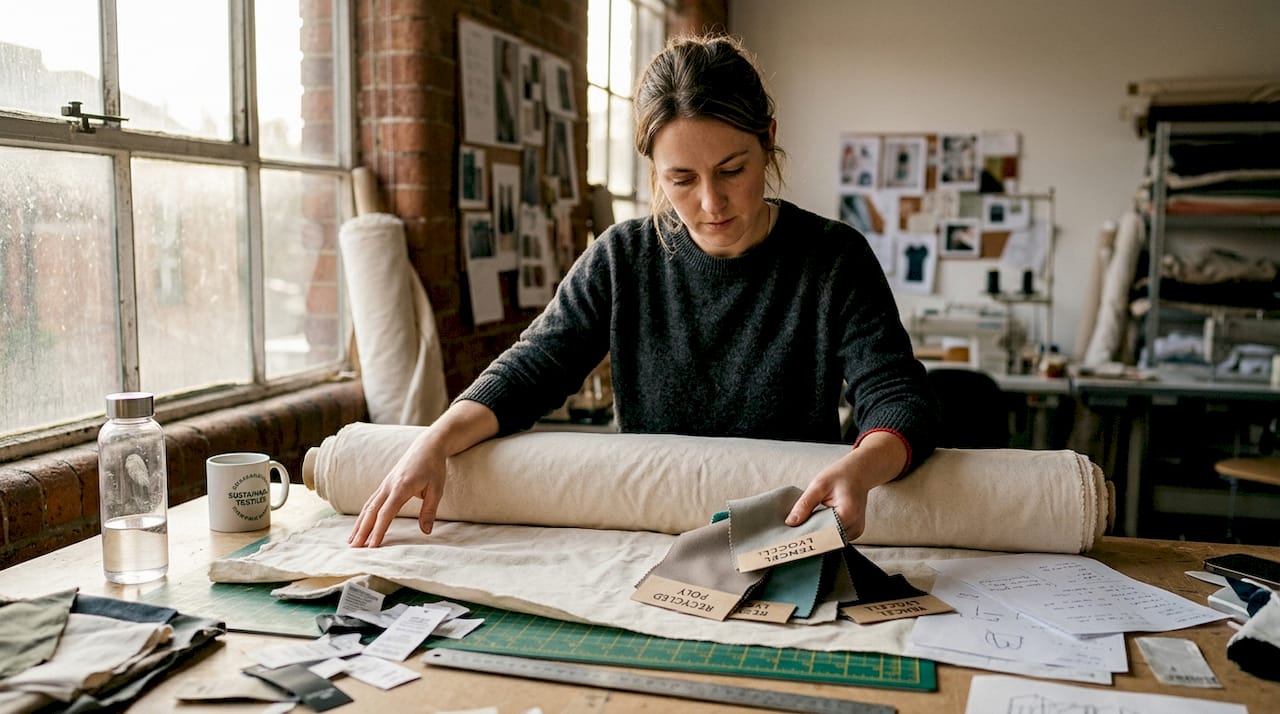
Ethical labor practices form another crucial distinction. Artist collaborations typically involve fair wages for skilled artisans working in safe conditions with reasonable hours, contrasting sharply with the exploitative sweatshop model that dominates mass-market fashion. When you buy artist-designed pieces, your money supports local craftspeople and small studios rather than multinational corporations that externalize social costs onto vulnerable workers.
The sustainability advantage of handmade clothing extends beyond production to product lifespan. A garment that lasts five years instead of one season means you need to purchase fewer replacements, reducing your overall consumption footprint. This durability makes artist-designed clothing more economical long term despite higher initial prices.
Pro Tip: Look for transparency in material sourcing and production locations. Reputable artist-designed brands openly share where and how their pieces are made.
Sustainability benefits of artist-designed fashion:
- Made to order systems eliminate overproduction and unsold inventory waste
- Natural dyes and low-impact printing techniques reduce chemical pollution
- Local production cuts transportation emissions compared to global supply chains
- Repairable construction allows alterations and fixes instead of disposal
- Timeless designs resist trend cycles that drive constant replacement
These practices align perfectly with growing consumer awareness about fashion’s environmental toll. Younger buyers especially value brands that demonstrate genuine commitment to sustainability rather than greenwashing marketing claims. Artist-designed clothing delivers authentic eco-friendly credentials because small-scale production inherently requires less resource extraction and generates less waste than industrial manufacturing.
Exploring pop culture and design expressions through sustainable artist collaborations lets you express your interests while supporting responsible production practices. This combination of personal style and ethical consumption creates meaningful value that transcends simple fashion trends.
Cultural storytelling and unique style appeal
Clothing functions as a powerful medium for storytelling and identity expression, transforming fabric into narrative. Artist-designed pieces blend personal passion with cultural narratives, creating wearable art that communicates your values, interests, and aesthetic sensibilities without words. This depth of meaning separates artist collaborations from logo-driven mass fashion that relies on brand recognition rather than artistic substance.
Mass-market fashion typically features generic graphics or licensed characters applied through basic screen printing, offering limited creative vision or cultural commentary. Artist-designed clothing incorporates original artwork, thoughtful color palettes, and compositional techniques that reference art history, contemporary movements, or pop culture moments. Each piece tells a specific story that resonates with people who share those cultural touchpoints.
Pop culture collaborations between artists and fashion brands create cultural icons that transcend simple merchandise. When Takashi Murakami partnered with Louis Vuitton, the resulting pieces became symbols of a specific moment in fashion and art history, blending high and low culture in ways that sparked conversations about accessibility and artistic value. These collaborations generate excitement because they represent genuine creative dialogue rather than corporate cash grabs.
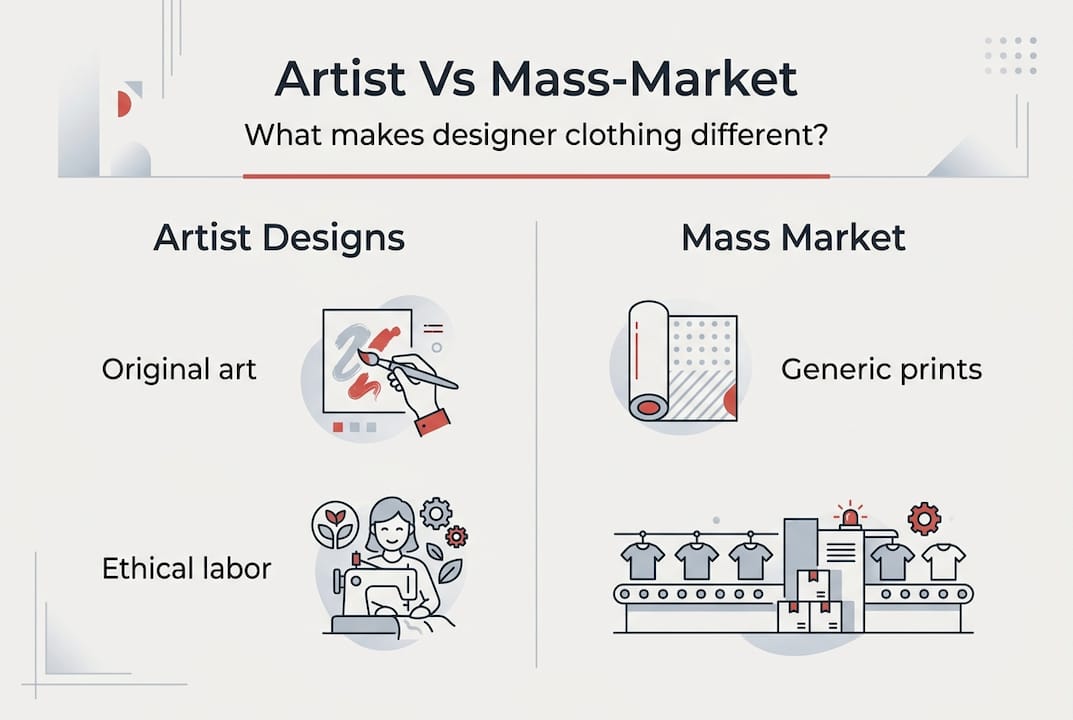
Younger collectors particularly value experiential luxury over traditional status symbols. They prefer unique, limited pieces that reflect personal identity and cultural engagement rather than items that simply signal wealth through logos. Artist-designed clothing satisfies this desire by offering exclusivity based on creative merit and cultural relevance instead of artificial scarcity or price barriers.
Cultural impact comparison:
| Aspect | Artist-Designed Fashion | Mass-Market Fashion |
|---|---|---|
| Creative origin | Original artwork and cultural commentary | Generic graphics and licensed images |
| Cultural significance | References art movements and social narratives | Follows seasonal trends without depth |
| Exclusivity basis | Limited artistic vision and production | Artificial scarcity through marketing |
| Identity expression | Personal values and cultural engagement | Brand loyalty and status signaling |
| Conversation value | Sparks discussion about art and culture | Recognized but rarely discussed |
Understanding wearable art helps you appreciate how clothing can function as both practical garment and artistic statement. This dual purpose creates richer meaning than purely functional or purely decorative items. You’re not just covering your body or following fashion rules. You’re participating in cultural conversations and expressing complex ideas through your wardrobe choices.
Key elements that make artist-designed clothing culturally significant:
- Collaboration between established artists and fashion designers creates cross-disciplinary innovation
- Limited edition releases preserve exclusivity and collectibility
- Artistic techniques like hand-painting or custom printing ensure uniqueness
- Cultural references connect wearers to broader artistic and social movements
- Storytelling through design creates emotional connections beyond aesthetics
This cultural dimension explains why certain artist-designed pieces become highly sought after in collector markets. They represent specific moments in cultural history, documenting the intersection of art, fashion, and popular culture in ways that mass-produced items never achieve. Owning these pieces means participating in that cultural narrative, not just following fashion trends.
Investment potential and market growth of artist collaborations
The art-inspired designer clothing market demonstrates consistent 15% annual growth as collectors recognize the investment value of limited-edition artist collaborations. Standout luxury pieces achieve resale values up to 244% of original retail prices when they combine cultural significance, limited availability, and enduring design appeal. This performance rivals traditional art collecting while offering more accessible entry points for younger investors.
Notable collaborations between luxury brands and renowned artists create benchmark pieces that define market segments. Louis Vuitton’s partnership with Takashi Murakami produced iconic bags and accessories that remain highly valued in resale markets years after initial release. More recent collaborations like Jimmy Choo and Jean-Paul Gaultier continue this tradition, generating immediate collector interest and sustained value appreciation.
Limited-edition releases drive exclusivity through controlled production numbers that ensure scarcity without artificial manipulation. When brands announce collaboration quantities upfront, collectors can assess investment potential based on actual availability rather than speculative marketing. This transparency builds trust and supports stable secondary market pricing.
The Balenciaga and Britney Spears collaboration demonstrates how pop culture relevance amplifies investment value. Pieces that capture specific cultural moments or celebrity associations command premium prices because they document fashion history in tangible form. Collectors seek these items not just for aesthetic appeal but for their role in broader cultural narratives.
Investment performance indicators:
| Collaboration Type | Average Resale Value | Market Demand | Appreciation Timeline |
|---|---|---|---|
| Luxury brand + renowned artist | 180-244% of retail | Very high | 2-5 years |
| Emerging artist + established brand | 120-160% of retail | High | 3-7 years |
| Pop culture icon collaboration | 150-200% of retail | High | 1-4 years |
| Limited capsule collections | 130-175% of retail | Moderate to high | 2-6 years |
Pro Tip: Research past collaboration performance before investing. Brands with consistent track records of value appreciation offer safer investment opportunities than untested partnerships.
Identifying investment-worthy pieces requires understanding several key factors:
- Artist reputation and cultural influence within contemporary art markets
- Production quantities and distribution channels that affect availability
- Design innovation that distinguishes the collaboration from standard offerings
- Cultural timing that captures significant social or artistic moments
- Condition preservation potential based on materials and construction quality
Following designer clothing market growth trends helps you identify emerging opportunities before prices escalate. Early adoption of promising collaborations maximizes potential returns while allowing you to enjoy wearing the pieces during their appreciation period. This dual benefit of personal enjoyment and financial gain makes artist-designed clothing uniquely appealing as an investment category.
Authenticity verification becomes crucial as values increase. Reputable sellers provide documentation, original packaging, and clear provenance that protect your investment and facilitate future resale. Building relationships with trusted dealers and platforms ensures access to genuine pieces and market intelligence that guides smart acquisition decisions.
Discover unique artist-designed clothing at Art-O-Rama Shop
Ready to explore authentic artist-designed apparel that combines superior craftsmanship with cultural significance? The curated selection at Art-O-Rama Shop features exclusive collaborations with renowned artists like Picasso, Matisse, and Banksy, transforming iconic artwork into wearable statements. Each piece reflects the quality, sustainability, and storytelling value discussed throughout this article.
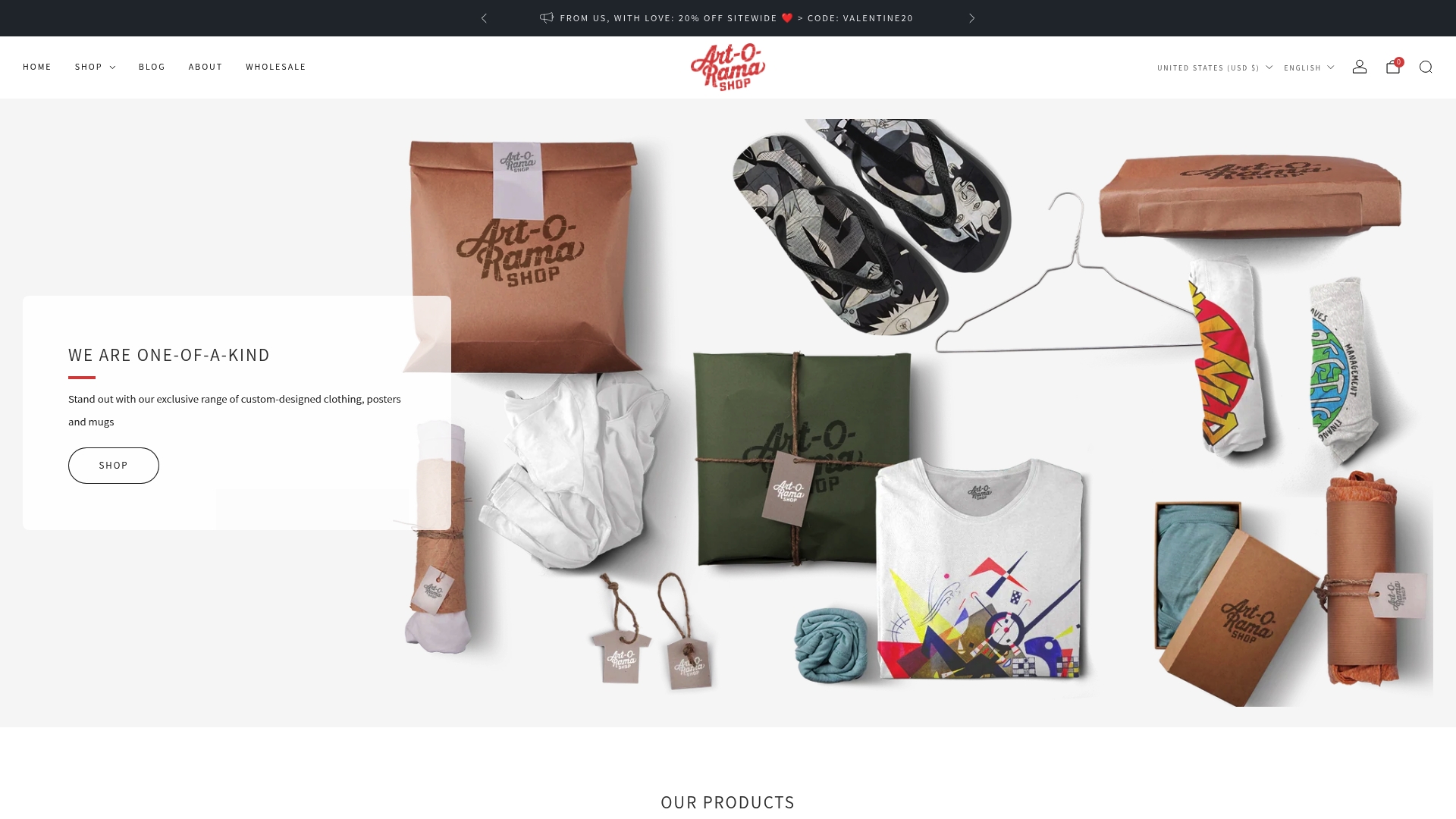
Whether you’re building a collection of investment-worthy pieces or seeking unique gifts for fellow art enthusiasts, the platform offers carefully selected items that bridge artistic expression and everyday style. Fast shipping ensures your chosen pieces arrive quickly, while high-resolution printing preserves artistic integrity across t-shirts, hoodies, and accessories. Explore thematic collections organized by artist and movement to find pieces that resonate with your personal aesthetic and cultural interests.
FAQ
Why is artist-designed clothing considered more sustainable than fast fashion?
Small batch production reduces fabric waste by up to 60% compared to mass manufacturing because artists can optimize cutting for actual demand rather than projected sales. Many artist collaborations prioritize eco-friendly materials like organic cotton and recycled polyester that require less water and fewer chemicals during production. Ethical labor practices ensure fair wages and safe working conditions, contrasting sharply with the exploitative models common in fast fashion supply chains.
How do artist collaborations with brands impact clothing value?
Limited edition releases create genuine scarcity that drives collector demand and supports price appreciation over time. The combined prestige of established brands and renowned artists elevates perceived value beyond standard fashion items. Cultural relevance determines long-term investment potential, with pieces that capture significant artistic or social moments commanding the highest resale premiums.
What makes artist-designed clothing appealing to younger collectors?
Younger buyers prioritize personal and cultural storytelling over traditional status symbols, seeking pieces that reflect their values and interests. The preference for unique, limited items aligns with desire for exclusivity based on creative merit rather than artificial scarcity. Wearable art enables identity expression through fashion choices that communicate complex ideas and cultural engagement without relying on logos or brand recognition.
How can I verify authenticity when purchasing artist-designed pieces?
Request original packaging, documentation, and clear provenance from sellers to confirm genuine collaborations. Research the specific collaboration’s production details, including quantities and distribution channels, to identify potential counterfeits. Build relationships with reputable dealers and platforms that guarantee authenticity and provide return policies protecting your investment.

