

Designer clothing for collectors: 15% growth in 2026
Mar 15, 2026
The global luxury fashion market incorporating renowned artwork has surged to unprecedented heights, with art-inspired designer clothing experiencing 15% annual growth as collectors increasingly view wearable art as legitimate investment pieces. This convergence of fine art and high fashion creates exclusive designer clothing that functions simultaneously as personal style statement and collectible asset. For art collectors and fashion enthusiasts, these limited-edition pieces offer a unique opportunity to own wearable interpretations of masterworks by artists like Picasso, Matisse, and Banksy, transforming everyday apparel into gallery-worthy expressions of cultural sophistication.
Table of Contents
- The Rising Market For Art-Inspired Designer Clothing In 2026
- How Designer Clothing Caters To Collectors: Licensing, Materials, And Collaborations
- Collaboration Versus Licensing: Nuances That Elevate Designer-Artist Partnerships
- Recognizing Authentic Designer Clothing For Collectors And Avoiding Counterfeits
- Discover Exclusive Art-Inspired Designer Clothing At Art-O-Rama
- Why Is Designer Clothing Popular Among Art Collectors?
Key takeaways
| Point | Details |
|---|---|
| Market expansion | Art-inspired fashion grows 15% annually, driven by collector demand for exclusive wearable art |
| Collaboration value | Designer-artist partnerships create limited-edition pieces that enhance brand equity and cultural appeal |
| Authentication imperative | Counterfeits represent over 3% of global apparel trade, making verification critical for collectors |
| Investment potential | Limited production runs and authenticated collaborations often appreciate in value over time |
The rising market for art-inspired designer clothing in 2026
The intersection of fine art and luxury fashion has evolved from novelty to serious collector category. Market research indicates 15% year-over-year growth in the luxury fashion segment incorporating art elements, reflecting a fundamental shift in how consumers perceive designer clothing. These pieces transcend traditional apparel function, serving as portable galleries that allow collectors to display artistic appreciation through personal style.
Limited-edition collaborations between renowned designers and celebrated artists consistently sell out within hours of release, demonstrating unprecedented collector enthusiasm. This phenomenon stems from multiple converging factors: the democratization of art ownership, social media’s amplification of personal brand expression, and growing recognition that exclusive designer pieces can appreciate in value comparably to traditional art investments. Collectors no longer view fashion and fine art as separate domains but as complementary expressions of cultural capital.
The appeal extends beyond aesthetic appreciation. Art-inspired designer clothing allows collectors to express sophisticated taste while maintaining practical wearability, unlike traditional art pieces confined to walls or display cases. This functional aspect attracts younger collectors who prioritize experiential luxury over static possessions. The exclusivity factor proves equally compelling, with production runs often limited to hundreds rather than thousands of units.
Several market dynamics fuel this expansion:
- Social media platforms amplify visibility of exclusive designer-artist collaborations, creating viral demand
- Younger affluent consumers prioritize unique self-expression over traditional luxury brand logos
- Art market veterans recognize designer collaborations as accessible entry points for emerging collectors
- Resale platforms like Grailed and Vestiaire Collective provide liquidity, treating pieces as tradable assets
This art-inspired fashion category represents more than trend, it signals a permanent recalibration of how collectors allocate resources between traditional art acquisition and wearable artistic expression. The convergence creates new opportunities for both established collectors seeking portfolio diversification and fashion enthusiasts pursuing investment-grade apparel.
How designer clothing caters to collectors: licensing, materials, and collaborations
Designer brands employ sophisticated mechanisms to create collector-worthy apparel that justifies premium pricing while ensuring artistic integrity. Understanding these production frameworks helps collectors evaluate authenticity and investment potential when acquiring art-inspired designer pieces.
Licensing agreements form the foundation of most artist-fashion partnerships. These contracts grant designers legal rights to reproduce artwork on apparel, with licensing fees ranging from 5% to 15% of wholesale price depending on artist prominence and exclusivity terms. Licensing protects both parties, ensuring artists receive compensation while designers gain legitimate access to culturally significant imagery. However, licensing alone does not guarantee collector value, execution quality and production limits determine whether pieces appreciate or depreciate.
Material selection dramatically impacts both wearability and collectible status. Premium designer collaborations utilize luxury fabrics that elevate pieces beyond standard apparel:
- Heavyweight cotton (220-260 GSM) provides durability and premium hand feel compared to standard 180 GSM fabrics
- Silk and cashmere blends create luxurious textures that justify higher price points and enhance longevity
- Specialty dyes and printing techniques ensure artwork reproduction maintains color fidelity through repeated wear
- Reinforced construction with double-stitched seams prevents deterioration that would compromise collector value
These high-end materials raise production costs 30-50% compared to standard luxury apparel, but collectors recognize this investment in quality as essential for pieces intended to appreciate rather than merely function as disposable fashion.
Limited production runs transform designer clothing from commodity to collectible. Brands deliberately restrict quantities, creating scarcity that drives both initial demand and secondary market value. Supreme’s weekly drops pioneered this model, but high-fashion collaborations have refined it, with some releases limited to 500 units globally. This artificial scarcity mirrors fine art print editions, where lower numbers command higher premiums.
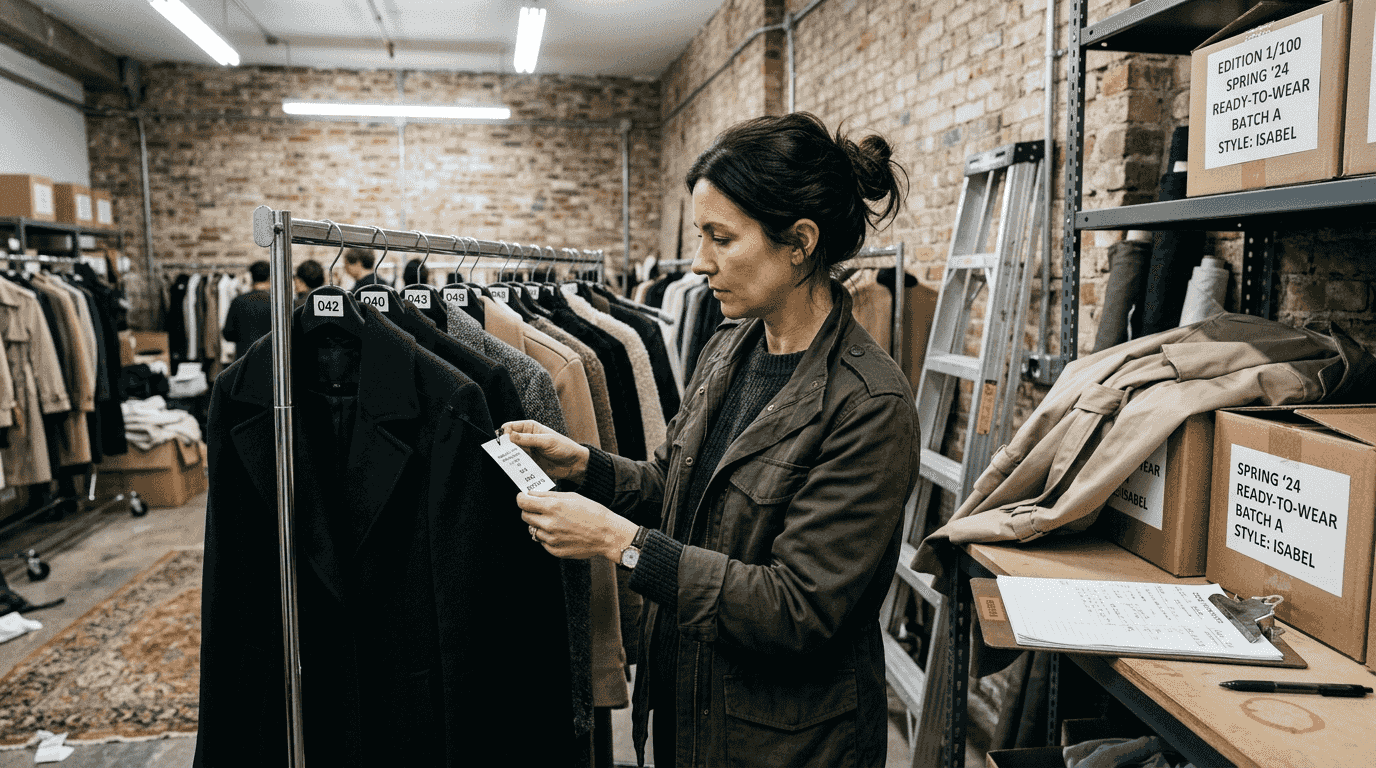
Pro Tip: Verify production numbers before purchasing limited-edition designer pieces. Authentic collaborations typically include numbered certificates or sewn-in edition labels, while vague “limited” claims without specific quantities often indicate mass-produced items masquerading as collectibles.
The art fashion niche continues evolving as designers experiment with blockchain authentication and NFT-linked physical garments, adding digital provenance layers that enhance collector confidence and resale transparency.
Collaboration versus licensing: nuances that elevate designer-artist partnerships
The distinction between licensing and true collaboration fundamentally affects collector value and cultural significance. While both approaches produce art-inspired designer clothing, collaborations generate deeper emotional resonance and stronger investment potential through genuine creative partnership.
Licensing represents a transactional relationship where designers purchase rights to existing artwork without artist involvement in garment design. The artist provides imagery, the designer applies it to apparel, and both parties profit from sales. This model works efficiently for posthumous artist estates or situations where creative input proves logistically impossible. However, licensed pieces rarely achieve the cultural impact or collector premiums that true collaborations command.
Collaborations require comparable input from both designer and artist, creating synergy that transcends simple artwork reproduction. These partnerships involve:
- Joint conceptualization sessions where both parties contribute aesthetic direction
- Artist input on garment silhouettes, fabric selection, and construction techniques
- Designer expertise shaping how artwork translates to three-dimensional wearable forms
- Mutual brand equity enhancement as both names appear equally in marketing
The Murakami x Louis Vuitton collaboration exemplifies this elevated approach. Rather than simply licensing Murakami’s signature cherry blossoms and smiling flowers, Louis Vuitton creative director Marc Jacobs worked directly with the artist to reimagine the iconic monogram canvas. Murakami designed new colorways, modified motifs for specific bag shapes, and participated in collection launches. This deep integration produced pieces that commanded 300% premiums on secondary markets and remain highly sought by collectors two decades later.
True collaborations create emotional connections that licensing cannot replicate. When collectors know both artist and designer invested creative energy into a piece, they perceive greater authenticity and cultural significance. This psychological dimension translates directly to market value, as evidenced by collaboration pieces consistently outperforming licensed equivalents at auction.
“The most successful designer-artist collaborations blur the line between fashion and fine art, creating pieces that museums eventually acquire as cultural artifacts rather than mere clothing.”
This distinction matters increasingly as collectors become more sophisticated. Experienced buyers research partnership structures before acquiring pieces, recognizing that collaboration provenance enhances both personal satisfaction and investment returns. The art-inspired fashion landscape now rewards genuine creative partnership over superficial licensing arrangements, pushing brands toward deeper artist engagement.
Recognizing authentic designer clothing for collectors and avoiding counterfeits
The explosion in art-inspired designer clothing values has predictably attracted counterfeiters, with fake apparel representing over 3% of global trade. Luxury brands featuring artist collaborations face particularly aggressive counterfeiting, as high resale values incentivize sophisticated forgery operations. Collectors must develop authentication expertise to protect investments and ensure portfolio integrity.
Fabric quality provides the most reliable initial authentication indicator. Authentic designer collaborations use premium materials with distinctive characteristics that counterfeiters struggle to replicate economically. Genuine pieces feature heavyweight cotton between 220-260 GSM, creating substantial hand feel and drape that cheap imitations cannot match. Hold the garment, authentic designer clothing has noticeable heft and structured body, while counterfeits feel flimsy and thin.
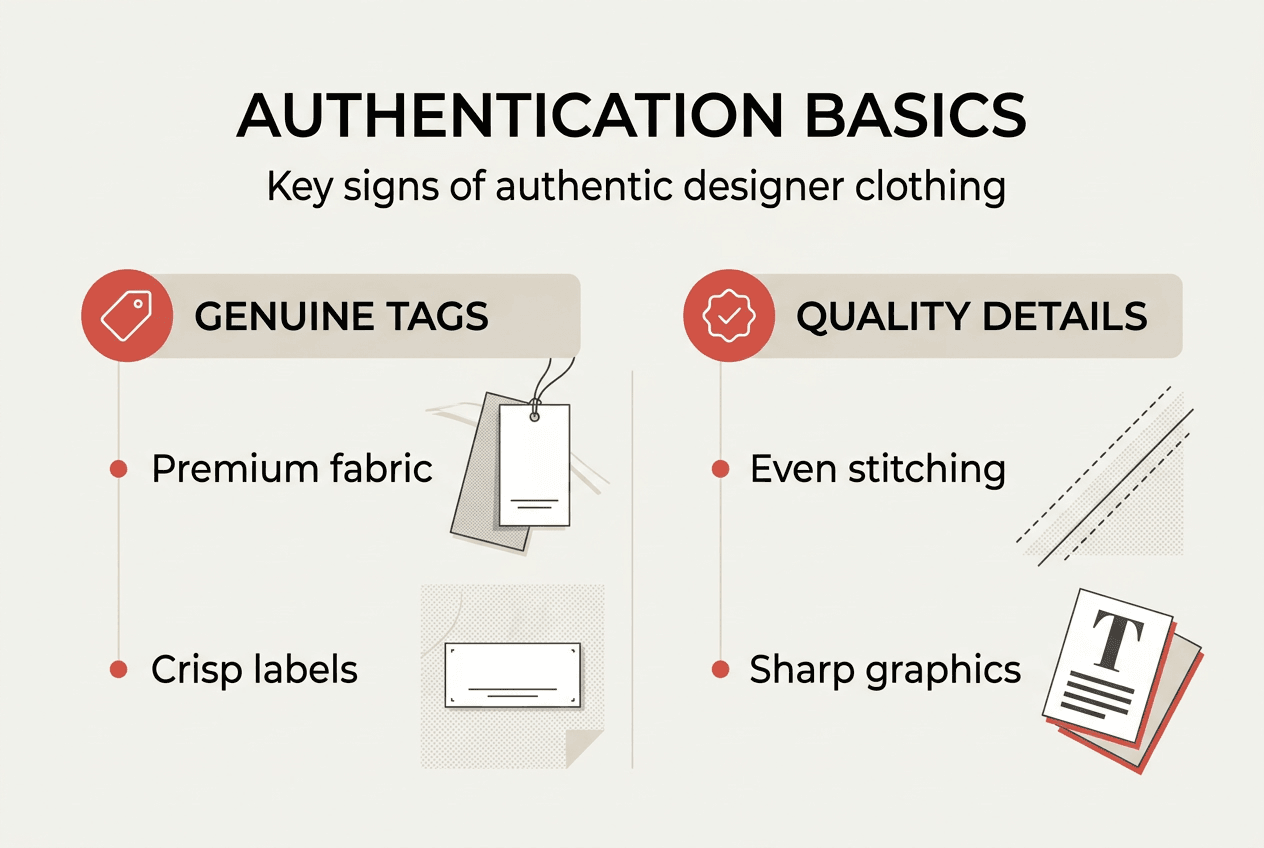
Logo and artwork placement reveals manufacturing precision differences. Authentic pieces display perfectly centered graphics with precise alignment to seams and collar lines. Designers employ digital positioning systems ensuring millimeter-accurate placement across production runs. Counterfeits often show slight misalignment, asymmetric positioning, or artwork that sits awkwardly relative to garment construction. Examine multiple angles under good lighting, even minor placement irregularities indicate counterfeit production.
Stitching quality separates professional manufacturing from counterfeit operations:
| Authentic Features | Counterfeit Indicators |
|---|---|
| Double-stitched hems with matching thread color throughout | Single stitching or mismatched thread colors |
| Consistent 12-14 stitches per inch with uniform tension | Irregular stitch spacing and loose thread tension |
| Reinforced stress points at shoulders and side seams | Weak construction at high-stress areas |
| Clean interior finishing with no loose threads | Exposed raw edges and hanging threads inside |
Print quality and color accuracy provide additional authentication clues. Genuine designer pieces use high-resolution printing techniques that maintain sharp detail even at close inspection. Artwork edges appear crisp, colors match original artist palettes precisely, and no pixelation or blurring occurs in complex designs. Counterfeiters typically use lower-quality printing that reveals dot patterns under magnification or shows color shifts from original artwork.
Pro Tip: Request detailed photographs of garment tags, interior labels, and care instructions when purchasing online. Authentic designer pieces include multiple sewn-in labels with specific washing instructions, country of origin, and style numbers that match official brand databases. Counterfeiters often use generic tags or misspell brand information.
Authentication services have emerged to address collector concerns, with companies like Entrupy and Legit Check offering AI-powered verification for luxury apparel. These services analyze microscopic fabric and construction details, providing certificates of authenticity that enhance resale value. Serious collectors increasingly require third-party authentication before completing high-value purchases.
The graphic art fashion market’s maturation has made authentication expertise essential rather than optional. As counterfeiters improve techniques, collectors must stay educated on evolving verification methods to protect investments.
Discover exclusive art-inspired designer clothing at Art-O-Rama
Navigating the expanding market for authentic art-inspired designer clothing requires access to curated sources that prioritize quality and legitimacy. After understanding authentication principles and collaboration value, collectors need reliable platforms offering verified exclusive pieces.
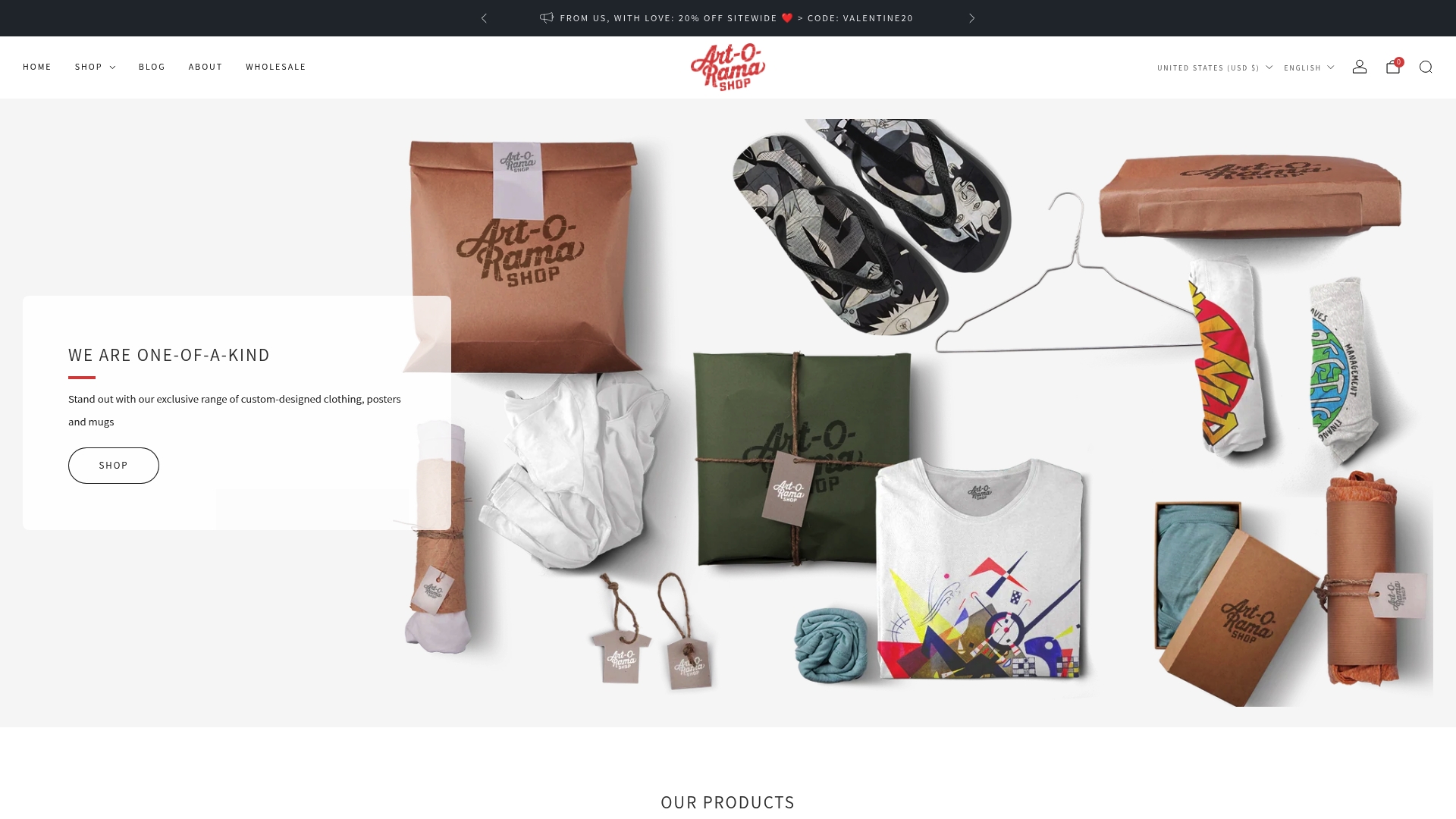
Art-O-Rama specializes in designer clothing featuring artwork from renowned artists including Picasso, Matisse, and Banksy, providing collectors with authenticated pieces that blend artistic expression with wearable fashion. The curated selection focuses on limited-edition designs that meet collector standards for material quality, print resolution, and exclusivity. Each piece undergoes verification to ensure authenticity, protecting your investment while allowing you to express sophisticated artistic appreciation through personal style. Explore collections organized by artist and art movement, discovering unique statement pieces that function as both fashion and collectible art.
Why is designer clothing popular among art collectors?
What motivates art collectors to invest in designer clothing?
Collectors pursue designer clothing featuring renowned artwork because it offers exclusive artistic expression in wearable form, combining the cultural capital of fine art ownership with practical daily use. Limited production runs create scarcity comparable to art print editions, while collaborations between celebrated artists and luxury brands generate pieces that appreciate in value over time. The ability to display sophisticated taste through personal style rather than static wall art appeals particularly to younger collectors who prioritize experiential luxury and social media visibility.
How do artist-designer collaborations create collectible value?
Collaborations blend creative talents from both fashion and fine art domains, producing unique pieces that transcend simple artwork reproduction. When artists like Takashi Murakami work directly with designers like Marc Jacobs, the resulting garments reflect genuine creative synergy rather than transactional licensing. This joint creative input generates emotional resonance with collectors, who recognize the cultural significance of pieces where both parties contributed equally to design, silhouette, and artistic execution. Such collaborations consistently command premium prices on secondary markets compared to licensed alternatives.
Why does authenticity matter so critically for collector-grade designer clothing?
Counterfeit luxury apparel represents over 3% of global trade, with art-inspired designer pieces being prime targets due to high resale values. Fake garments undermine investment potential, lack the quality materials and construction that ensure longevity, and carry no legitimate provenance for future resale. Collectors must verify authenticity through fabric weight inspection, stitching quality assessment, and logo placement examination to protect portfolio value. Third-party authentication services increasingly provide necessary verification, offering certificates that enhance both personal confidence and secondary market liquidity.
Are limited-edition art-fashion pieces a good investment?
Limited-edition collaborations between established designers and renowned artists often appreciate significantly, particularly when production runs remain under 1,000 units globally. Pieces from landmark partnerships like Supreme x Louis Vuitton or Murakami x Louis Vuitton have tripled in value within five years of release. However, investment potential depends on collaboration significance, production quantity, condition maintenance, and authentication documentation. Collectors should focus on pieces where both artist and designer bring substantial cultural capital, as these generate strongest long-term demand from museums, fashion historians, and fellow collectors seeking culturally significant wearable art.

