

Modern Art Merchandise: Style, Impact, and Trends
Feb 19, 2026
Finding must-have art merchandise can feel overwhelming when you crave something unique that blends creativity with everyday style. For young art enthusiasts and pop culture fans, modern art merchandise is more than decoration—it’s wearable identity and a celebration of artistic expression. The rise of premium products featuring Picasso or Banksy designs reflects a shift where art escapes gallery walls and enters daily life, making it accessible and relevant. Discover how exclusive, high-quality merchandise is reshaping what it means to appreciate art, both for personal style and gift-giving.
Table of Contents
- Defining Modern Art Merchandise Today
- Popular Types and Notable Variations
- Key Features and Artist Collaborations
- Authenticity, Licensing, and Legal Rights
- Exclusivity, Value, and Buying Insights
Key Takeaways
| Point | Details |
|---|---|
| Modern Art Merchandise | Represents the fusion of fine art and consumer culture, offering functional items with artistic value. |
| Curation and Quality | Modern art merchandise focuses on carefully curated pieces and high-resolution printing to preserve artistic integrity. |
| Authenticity Matters | Purchasing officially licensed merchandise ensures support for artists and the integrity of the artworks. |
| Exclusivity and Value | Limited-edition items carry greater emotional and investment value, appealing to serious collectors. |
Defining Modern Art Merchandise Today
Modern art merchandise represents far more than slapping famous paintings onto t-shirts and mugs. It’s become a legitimate bridge between fine art and everyday consumer culture, where artistic expression meets wearable identity. When you wear a hoodie featuring a Banksy design or carry a mug decorated with Picasso’s bold abstractions, you’re not just displaying art—you’re making a statement about what you value and who you are. This phenomenon has fundamentally shifted how art reaches audiences, transforming galleries from exclusive spaces into something accessible to everyone.
The contemporary art market recognizes merchandising as a vital strategy for both artist promotion and income generation. Through visual merchandising techniques—which encompass strategies for presenting products attractively—retailers and artists leverage product display, consumer engagement, and strategic aesthetics to foster sales and strengthen brand identity. What makes modern art merchandise distinct is its dual purpose: it serves as functional everyday items while simultaneously functioning as mini galleries we carry with us. A flip-flop bearing Matisse’s vibrant compositions or a long-sleeve shirt showcasing contemporary street art doesn’t hide its artistic origins—it celebrates them openly.
Key characteristics define what makes art merchandise modern today:
- Curation over commercialization: Artists and retailers carefully select which pieces translate to merchandise, ensuring quality and artistic integrity
- High-resolution printing technologies: Advanced production methods preserve fine details, color accuracy, and the artist’s original vision
- Thematic diversity: Merchandise spans multiple art movements and artists—from classical masters to contemporary street artists like Banksy
- Accessibility focus: Pricing allows art enthusiasts without museum budgets to own and wear professional-quality artistic pieces
- Cultural relevance: Merchandise selections reflect current pop culture interests and artistic conversations happening now
The democratization of art through merchandise isn’t accidental—art merchandise plays a legitimate role in the contemporary art market, reflecting specific cultural contexts where consumer accessibility and artist support coexist. What separates premium art merchandise from mass-produced knockoffs is intentionality in design and execution. When you choose a piece from Artoramashop’s curated collections, you’re selecting from artwork carefully chosen for its artistic merit and visual impact on apparel.
Modern art merchandise transforms the way people engage with art, moving it from museum walls into daily life while maintaining the artistic integrity that makes it worth wearing in the first place.
Today’s art enthusiasts increasingly view merchandise not as cheap imitations but as legitimate artistic expressions in different mediums. A Matisse-inspired hoodie isn’t trying to replace visiting a museum—it’s extending that experience into your wardrobe. Pop culture fans recognize merchandise as a form of wearable fandom that celebrates artists they genuinely respect. This shift reflects changing attitudes about art ownership, where exclusivity yields to authentic appreciation and genuine connection.
Pro tip: When selecting modern art merchandise, prioritize pieces where you genuinely connect with the artwork rather than choosing solely based on brand recognition—this ensures your pieces remain meaningful years after purchase rather than becoming forgotten closet items.
Popular Types and Notable Variations
The world of modern art merchandise extends far beyond t-shirts, offering a diverse range of products that appeal to different collectors and styles. Apparel remains the flagship category, but the real variety lies in how brands and galleries approach design, quality, and artistic presentation. From hoodies that feel like wearing a masterpiece to flip-flops adorned with Impressionist brushstrokes, each product type serves a distinct purpose in how people connect with art daily. Understanding these variations helps you choose pieces that align with both your aesthetic preferences and lifestyle needs.
The primary product categories reflect both traditional retail practices and contemporary consumer behavior:
- Apparel: T-shirts, hoodies, long sleeves, and jackets featuring artwork from Picasso, Matisse, Banksy, and contemporary artists
- Home décor items: Mugs, posters, and prints that transform living spaces into personal galleries
- Accessories: Flip-flops, scarves, phone cases, and notebooks—products that blend functionality with artistic expression
- Collectible pieces: Limited-edition items and artist collaborations that appeal to serious collectors
Each category reflects how art merchandise spans various movements and styles, from Impressionism to Cubism, Surrealism, and Pop Art. The diversity ensures that whether you’re drawn to bold geometric abstractions or subtle impressionistic hues, there’s merchandise that matches your artistic sensibility.
What distinguishes premium modern art merchandise is the attention to product-art compatibility. A mug decorated with high-resolution reproductions of famous paintings serves both functional and aesthetic purposes, while a poster provides affordable access to beloved artworks. Mass-produced items like notebooks and scarves demonstrate how contemporary art markets have evolved to include everyday objects as legitimate vehicles for artistic expression. The key difference between quality and mass-market merchandise lies in printing technology, material durability, and the careful curation of which artworks translate effectively to specific products.
The best art merchandise doesn’t just display artwork—it integrates seamlessly into your daily life while maintaining the integrity and visual impact of the original piece.
Consider how different product types cater to varying consumer needs and preferences. Apparel allows you to make bold personal statements through what you wear. Posters and prints serve collectors who want tangible representations without committing to expensive original artwork. Functional items like mugs and notebooks bridge the gap between art appreciation and everyday utility, turning mundane tasks into moments of aesthetic enjoyment. Limited-edition collaborations appeal to serious collectors seeking exclusivity and investment value.
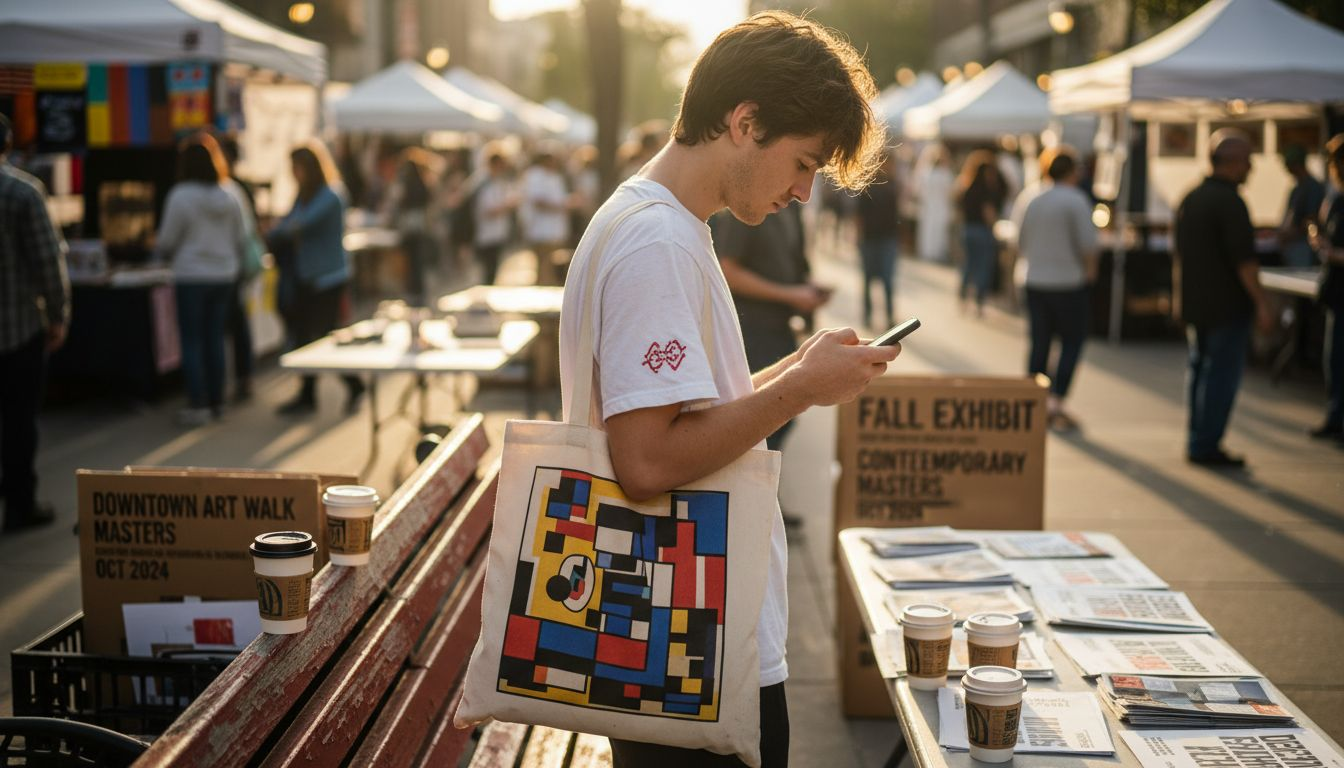
The variations also reflect cultural contexts and market demand. In contemporary art markets worldwide, merchandise serves multiple roles—artist promotion, revenue generation, and democratizing art access. A Banksy-inspired hoodie functions as wearable activism. A Matisse mug transforms morning coffee into a moment of beauty. These variations aren’t arbitrary choices but thoughtful decisions about how art can enhance contemporary living.
Here’s how product types align with consumer needs in modern art merchandise:
| Product Type | Typical Buyer Motivation | Experience Provided |
|---|---|---|
| Apparel | Self-expression through fashion | Wearable art, personal statement |
| Home Décor Items | Enhancing living spaces | Everyday art appreciation at home |
| Accessories | Functionality & style | Useful objects with artistic flair |
| Collectibles | Investment and exclusivity | Limited-edition, high perceived value |
Pro tip: Start by identifying which product categories align with your lifestyle, then research the specific artworks and artists featured—this approach ensures your purchases feel both personally meaningful and visually integrated into your daily routine rather than becoming shelf decoration.
Key Features and Artist Collaborations
Modern art merchandise thrives on strategic partnerships between artists and retailers that elevate products beyond simple reproductions. When a designer works directly with artwork or an artist authorizes their pieces for merchandise, something fundamental shifts—the product gains authenticity and intentionality. These collaborations transform standard apparel and home goods into statement pieces that carry both artistic vision and emotional weight. The result is merchandise that resonates with audiences who understand they’re supporting creative vision, not just purchasing branded items.
Key features that define quality modern art merchandise include:
- High-resolution printing technology: Captures fine details, color gradients, and textures from original artworks without degradation
- Durable materials: Premium fabrics for apparel, quality ceramic for mugs, archival-grade paper for prints
- Authentic artist partnerships: Direct collaboration or official licensing ensuring artistic integrity
- Limited-edition releases: Numbered collections that create exclusivity and collector appeal
- Thoughtful design placement: Strategic positioning of artwork on garments to maximize visual impact
- Curated artist selections: Carefully chosen pieces from both historical masters and contemporary creators
Artist collaborations function as the backbone of meaningful merchandise. Contemporary artists partner with brands to create products that merge artistic creativity with commercial appeal, allowing them to extend their brand presence while offering consumers genuinely unique pieces. These partnerships aren’t about mass production—they’re about translating an artist’s vision into wearable or displayable form. When Banksy’s bold street art appears on a hoodie or Matisse’s vibrant cutouts decorate a mug, collectors understand they’re engaging with curated selections that honor the original artistic intent.
The symbolic and emotional value embedded in artist collaborations cannot be overstated. Luxury brand-artist partnerships transform aesthetic practices by imbuing products with artistic meaning that extends far beyond decoration. A Picasso t-shirt becomes more than cotton and ink—it becomes a connection to modernist revolution. A Matisse-inspired flip-flop transforms casual footwear into wearable celebration of color and form. These products succeed because they honor the artist’s legacy while making art accessible in everyday contexts.
The best artist collaborations communicate artistic narrative alongside the products themselves, helping consumers understand not just what they’re wearing, but why it matters.
What Makes Collaborations Resonate
Successful partnerships share common characteristics that elevate them beyond typical merchandise. Authenticity remains non-negotiable—whether through direct artist involvement or official licensing from estate representatives and museums. The narrative matters too. When you understand that a design choice reflects the artist’s original vision or a deliberate curation decision, the piece gains dimension and meaning.
Consider how different collaboration types create distinct values. Direct artist partnerships with contemporary creators bring current relevance and active creative input. Officially licensed collections from established masters provide historical significance and broad recognition. Limited-edition collaborations appeal to collectors seeking investment-grade merchandise. Each approach offers different rewards and resonates with different audiences within the art-enthusiast community.
The merchandising strategy itself communicates respect for the artwork. Quality printing prevents color degradation. Proper placement on garments showcases rather than compromises the design. Thoughtful fabric selection ensures the piece feels as good as it looks. These technical decisions demonstrate whether a retailer views merchandise as casual commercialization or serious artistic presentation.
Pro tip: Research the provenance and partnership details before purchasing—official licensing information, artist involvement statements, and curator notes transform a merchandise purchase into an informed art appreciation decision that deepens your connection to both the piece and its creator.
Authenticity, Licensing, and Legal Rights
When you purchase modern art merchandise, you’re entering a space where authenticity matters tremendously—both for the artwork’s integrity and your consumer protection. Unlike buying a generic product, acquiring merchandise featuring artistic works involves layers of legal considerations, licensing agreements, and intellectual property rights that directly affect the product’s legitimacy and value. Understanding these elements protects your investment while ensuring you’re supporting artists and creators fairly. This knowledge transforms you from a casual shopper into an informed collector who makes meaningful purchasing decisions.
Authenticity in art merchandise operates on multiple levels:
- Official licensing: Direct permission from artists, estates, museums, or authorized representatives
- Authentication processes: Documentation proving the artwork source and permission to reproduce it
- Artistic integrity: Ensuring reproductions honor the original work’s visual and conceptual intent
- Legal compliance: Proper copyright and intellectual property clearances
- Documentation: Certificates, artist statements, or licensing information accompanying purchases
The authentication process for art merchandise follows similar principles to those governing broader art market transactions. Understanding authentication frameworks and legal complications in art markets reveals how complex determining legitimacy can become. When you see a Banksy design on a hoodie or a Picasso reproduction on a mug, verifying that proper licensing exists separates legitimate merchandise from counterfeit products. This distinction matters legally and ethically.
What Licensing Actually Means
Licensing agreements grant specific rights to reproduce and sell artwork on merchandise. Official licensing ensures artists receive compensation and maintain creative control over how their work appears commercially. When retailers work with estates like the Picasso Administration or museums housing Matisse collections, these organizations enforce strict standards about reproduction quality, placement, and presentation. The presence of licensing information—often printed subtly on merchandise or detailed on product pages—signals that a retailer has done the legal work required to offer that merchandise legitimately.
Counterfeit art merchandise thrives in spaces where authentication is weak or absent. Unauthorized reproductions ignore licensing requirements, deprive artists and estates of royalties, and often feature inferior printing quality that disrespects the original artwork. The difference between a legitimately licensed Matisse mug and an unauthorized knockoff isn’t just legal compliance—it’s about honoring artistic legacy and supporting the creative ecosystem that produces the work you love.
Purchasing officially licensed art merchandise means your money supports artists and creative institutions rather than enriching counterfeiters who disregard intellectual property rights.
Your responsibility as a consumer involves asking questions before purchasing. Does the retailer provide licensing information? Are artist statements or estate authorization clearly documented? Does the product quality suggest legitimate production standards or corner-cutting typical of counterfeits? Premium retailers like Artoramashop invest in official licensing precisely because it ensures customers receive authentic products backed by proper legal agreements. This approach costs more upfront but protects both the consumer and the artist.
Compare key factors between official and counterfeit art merchandise:
| Factor | Officially Licensed Merchandise | Counterfeit Merchandise |
|---|---|---|
| Artist Compensation | Yes, royalties paid | No, artists receive nothing |
| Product Quality | High materials, detailed printing | Lower durability, poor reproduction |
| Legal Protection | Backed by copyright and licensing | Lacks legal compliance |
| Collector Value | Recognized, holds or increases value | Not valued by serious collectors |
Red Flags and Smart Shopping
Certain indicators suggest merchandise authenticity concerns. Extremely low prices for artist-designed pieces, vague sourcing information, and lack of documentation about licensing should trigger scrutiny. Legitimate retailers transparently display licensing information and artist credits because they’re proud of their partnerships. They also maintain consistent quality standards and often provide detailed product information explaining the artwork’s origin and significance.
When purchasing limited-edition collaborations or exclusive pieces, certification and numbering add value and legitimacy. A numbered mug from an authorized museum store carries different weight than identical-looking merchandise from a marketplace vendor without clear licensing credentials. These distinctions matter for collectors who understand that authenticity directly affects both the product’s integrity and potential long-term value.
Pro tip: Before making a purchase, verify licensing by checking product descriptions for artist or estate credits, looking for authentication certificates, and confirming the retailer’s official partnerships with artists or their representatives—this due diligence ensures your collection reflects genuine artistic appreciation rather than accidental support for counterfeits.
Exclusivity, Value, and Buying Insights
Exclusivity transforms art merchandise from casual purchases into meaningful acquisitions that signal taste and discernment. When you own a limited-edition hoodie featuring a Banksy collaboration or a numbered print from a gallery partnership, you’re acquiring something with deliberate scarcity—not just another product on store shelves. This distinction matters profoundly in how you perceive the piece’s value and how others recognize your investment in authentic artistic expression. Understanding what drives perceived value helps you make purchasing decisions that align with your collector’s mindset.
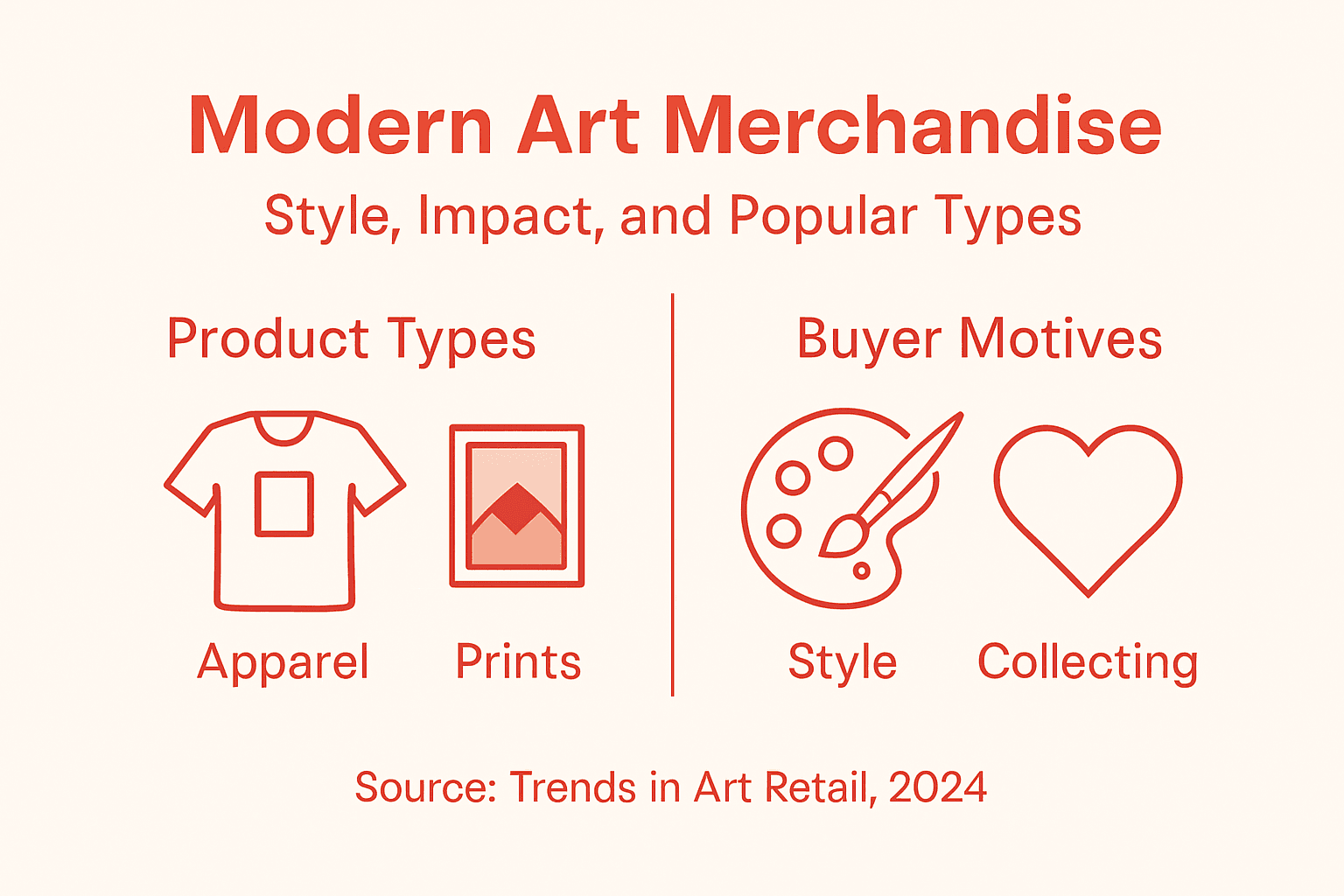
Exclusivity and rarity significantly influence how consumers perceive functional, social, and emotional value for luxury goods, with natural rarity affecting all three dimensions while virtual rarity focuses mainly on functional appeal. This research reveals why a limited-edition print carries different psychological weight than mass-produced merchandise. When a piece is genuinely scarce—whether through numbered production runs, gallery-exclusive releases, or artist-authorized limited editions—buyers experience heightened emotional connection and perceived value beyond the product itself.
Value manifests across multiple dimensions when evaluating art merchandise:
- Functional value: Product quality, durability, and how well it serves its intended purpose
- Social value: How the piece communicates your taste and artistic appreciation to others
- Emotional value: Personal connection to the artwork, artist, or artistic movement
- Investment value: Potential appreciation or collector status as limited editions become rarer
- Cultural value: Contribution to preserving and celebrating artistic legacy
The art collecting landscape continues evolving as younger and female collectors expand market participation with diverse interests and higher spending. This shift reshapes how value is perceived and allocated within the market. Contemporary collectors increasingly view art merchandise not as disposable consumer goods but as meaningful acquisitions worthy of thoughtful consideration. Digital channels and direct artist purchases are reshaping traditional buying practices, making authentic, limited-edition pieces more accessible while simultaneously increasing their perceived exclusivity.
Exclusivity creates value not through artificial scarcity but through genuine limitation—when production is intentionally constrained to preserve artistic integrity and collector distinctiveness.
Strategic Collecting Approaches
Successful art merchandise collectors adopt deliberate strategies that maximize both enjoyment and long-term value. Focus on artist authenticity first, then evaluate scarcity level. A limited-edition print from a gallery partnership carries inherent value that mass-produced merchandise cannot match. Track artists whose work resonates with you—early acquisitions from emerging contemporary artists often appreciate as their recognition grows. Limited-edition numbered pieces from established collaborations typically maintain or increase in value, particularly when issued through reputable retailers with proper documentation.
Pricing varies dramatically based on exclusivity level. Mass-produced merchandise featuring established artists costs significantly less but offers minimal collector appeal beyond personal enjoyment. Limited-edition runs command premium pricing that reflects their scarcity and artistic significance. Gallery-exclusive pieces and numbered artist collaborations occupy the highest tier, appealing to serious collectors building comprehensive collections. Understanding these tiers helps you allocate budgets strategically—perhaps acquiring several pieces from broader collections while reserving higher investment for genuinely exclusive offerings.
Making Informed Buying Decisions
Research before committing significant resources to any piece. Verify production run numbers—if available, they provide concrete documentation of scarcity. Check whether pieces are numbered and registered, which adds authenticity and collector value. Review the artist’s background and the artwork’s significance within their broader body of work. Why exclusive prints attract art collectors reveals how deliberate curation and presentation increase perceived value beyond visual appeal alone.
Consider your collecting philosophy. Are you building a cohesive collection around specific artists, movements, or themes? Are you drawn to investment appreciation or personal aesthetic enjoyment? Understanding your motivation clarifies which exclusivity levels justify premium pricing. Serious collectors who view art merchandise as investment-grade acquisitions typically focus on numbered limited editions from artist collaborations and gallery partnerships. Enthusiasts seeking meaningful displays prioritize pieces that resonate personally, where emotional value outweighs investment potential.
Pro tip: Create a collecting framework before purchasing by identifying your target artists, preferred scarcity levels (numbered editions, gallery exclusives, or broader limited runs), and budget allocation—this structure prevents impulse acquisitions and ensures your collection reflects deliberate curation rather than random accumulation.
Elevate Your Style with Authentic Modern Art Merchandise
Discover the power of wearing and owning art that truly matters. The article highlights the challenges of finding modern art merchandise that balances artistic integrity, authentic licensing, and exclusivity. Many art lovers struggle to connect with mass-produced apparel that lacks genuine design curation or artist collaborations. At Artoramashop.com, we solve this problem by offering a carefully curated selection of high-quality, officially licensed pieces featuring legendary artists such as Picasso, Matisse, and Banksy. Our products not only preserve artistic value but transform everyday items into meaningful expressions of style and cultural identity.
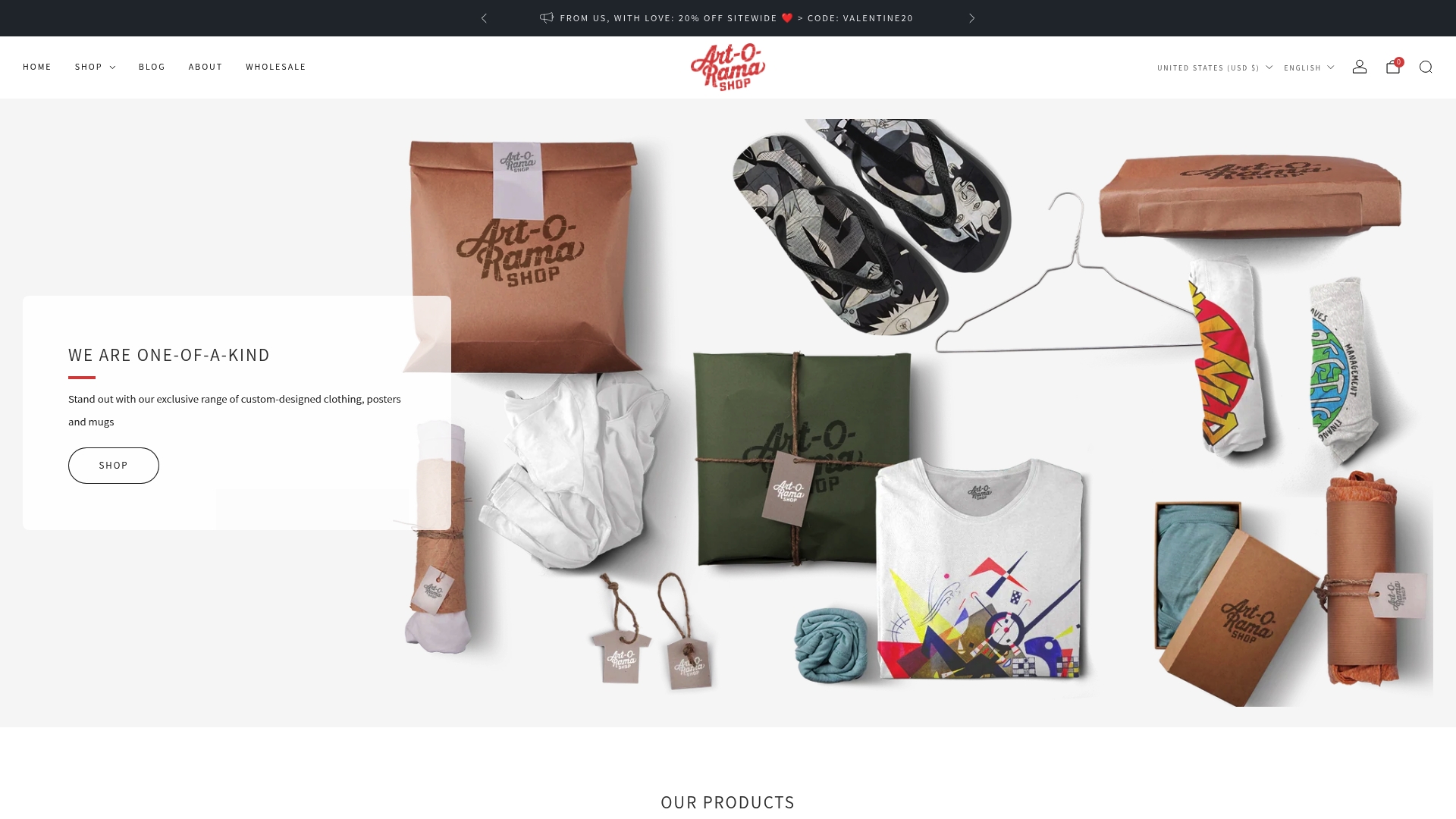
Experience the blend of fine art and wearable fashion with our exclusive collections of hoodies, t-shirts, posters, and collectible mugs. Each piece is printed with cutting-edge technology on premium materials to ensure vibrant colors and lasting quality. Explore themed browsing by artist or style to find your personal connection and stand out with merchandise that carries authenticity and emotional value. Don’t settle for generic reproductions when you can own distinctive art-inspired products designed for true enthusiasts. Visit Artoramashop and start your journey into the world of exclusive modern art merchandise today. Explore our collection now at Artoramashop.com and bring genuine artistic impact into your daily life.
Frequently Asked Questions
What is modern art merchandise?
Modern art merchandise refers to products that incorporate artworks from various artists, serving both functional uses and as expressions of artistic identity.
How does modern art merchandise differ from traditional art prints?
Unlike traditional art prints, modern art merchandise includes wearable items and functional products while maintaining artistic quality and integrity through high-resolution printing and thoughtful design.
What should I consider when choosing modern art merchandise?
When selecting modern art merchandise, prioritize pieces that resonate with you artistically, and ensure they come from reputable sources with official licensing to guarantee authenticity and quality.
How do artist collaborations enhance the value of art merchandise?
Artist collaborations add authenticity and emotional weight, turning standard products into meaningful pieces that honor the artist’s vision and provide collectors with a connection to the artwork.

