

Modern Art Influence: Shaping Style and Culture
Jan 25, 2026
Bold shapes and vibrant colors are everywhere you look, from street murals in Berlin to graphic t-shirts in Tokyo. The reach of modern art goes far beyond gallery walls, shaping today’s style, merchandise, and global visual culture. For a generation seeking meaning in everything from fashion to social media, understanding these artistic influences means discovering the creative roots behind what makes your favorite collectibles and wearable statements truly unique.
Table of Contents
- Defining Modern Art Influence Today
- Major Movements and Artists Shaping Trends
- How Modern Art Impacts Fashion and Design
- Modern Art in Everyday Pop Culture
- Common Misconceptions and Misuse of Modern Art
Key Takeaways
| Point | Details |
|---|---|
| Influence of Modern Art | Modern art shapes contemporary culture and everyday life through fashion, design, and digital media. It democratizes creativity by making artistic expression accessible to all. |
| Understanding Movements | Major movements, including Cubism and Pop Art, play a crucial role in influencing modern design. Familiarity with these movements enhances appreciation of contemporary merchandise. |
| Art and Fashion Integration | The boundaries between art and fashion have blurred, with designers drawing heavily from modern art aesthetics. This collaboration fosters a rich exchange of ideas and artistic values. |
| Common Misconceptions | Misunderstandings about modern art often stem from a lack of engagement with its complexities. Actively exploring context and meaning enhances one’s appreciation and enjoyment of modern artworks. |
Defining Modern Art Influence Today
Modern art isn’t confined to museum galleries or art history textbooks anymore. It shapes how you see the world, influences what you wear, and defines cultural conversations happening right now. The movement itself represents something revolutionary: experimental art breaking traditional boundaries from the late 1800s through the 20th century, where artists rejected conventional rules and explored radical new forms. What started as rebellion against rigid artistic traditions has transformed into a pervasive force that touches everyday life in ways most people don’t even realize.
Today, modern art influence operates across multiple dimensions of contemporary culture. It appears in graphic design, fashion, interior design, and digital media. When you see a bold geometric pattern on a t-shirt, bold color blocking in apparel, or abstract visual compositions on merchandise, you’re looking at direct descendants of movements like Cubism, Abstract Expressionism, and Surrealism. Modern artists introduced new materials, unconventional subject matter, and self-expression as legitimate artistic goals rather than strict adherence to realistic representation. These principles now drive how visual culture communicates meaning. The influence flows from galleries into street art, from classical modernist painters like Picasso and Matisse into contemporary wearable art that turns clothing into personal statements. Visual artists continue engaging with interdisciplinary knowledge, blending scientific concepts, philosophical ideas, and cultural commentary into designs that resonate with audiences seeking deeper significance in their aesthetic choices.
What makes modern art influence distinctly powerful today is how it democratized creativity and visual expression. It removed the gatekeeping that said only certain subjects, materials, or techniques counted as “real art.” This shift means you can find legitimate artistic expression on collectible mugs, statement hoodies, custom-designed posters, and fashion pieces that showcase work from influential artists and movements. Modern art’s rejection of traditional conventions created space for artists to explore what genuinely excites them, what reflects their era, and what communicates with their communities. That same spirit drives contemporary art enthusiasts to seek pieces that feel authentic and meaningful rather than merely decorative. Your wardrobe becomes a gallery. Your collection of art-inspired merchandise transforms everyday items into vehicles for cultural conversation, personal identity, and artistic appreciation.
Pro tip: When exploring modern art-inspired merchandise, look beyond surface aesthetics and consider the artist’s movement or era—understanding whether a design draws from Cubist fragmentation, Abstract Expressionist emotion, or Surrealist imagination deepens your appreciation and helps you select pieces that genuinely connect with your artistic sensibilities.
Major Movements and Artists Shaping Trends
Modern art didn’t emerge as a single cohesive force. Instead, it evolved through distinct movements, each rejecting what came before and pushing creativity in radically different directions. Understanding these movements gives you insight into why certain designs appear on merchandise today and what messages they carry. Cubism shattered perspective into geometric fragments, Expressionism prioritized emotional intensity over realistic representation, and Surrealism unlocked the bizarre logic of dreams and the subconscious. Later came Pop Art, which celebrated mass culture and commercial imagery by treating advertising, comic books, and consumer products as legitimate artistic subjects. This democratization of subject matter meant that art could be playful, accessible, and rooted in everyday life rather than confined to classical themes or high-minded intellectualism.
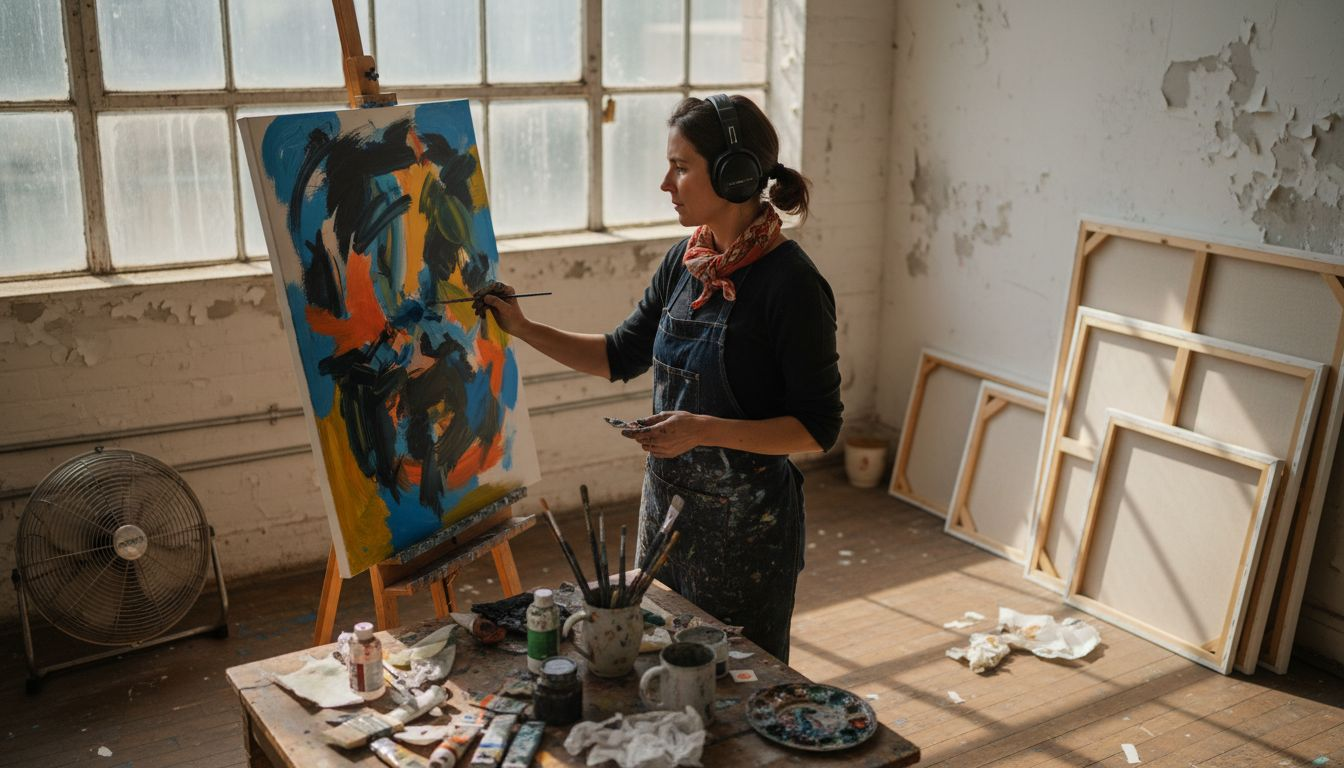
Seven major movements including Impressionism, Minimalism, and Photorealism each shaped how artists approached their work and what they wanted their art to communicate. What’s crucial is recognizing how these movements directly influence contemporary merchandise design. When you see a t-shirt featuring bold primary colors and simplified forms, you’re seeing Pop Art’s legacy. Abstract geometric patterns echo Cubist experimentation. The stark simplicity of minimalist designs strips away everything unnecessary, leaving only essential visual elements that speak volumes through restraint. Influential artists like Banksy have transformed street art into a respected contemporary movement, blending social commentary with visual impact. Yayoi Kusama’s infinity rooms and obsessive dot patterns have become iconic visual language recognized worldwide. These artists didn’t just create gallery pieces—they fundamentally changed what counts as art and where art belongs in daily life.
Contemporary art movements spanning from the late 1960s onward continue this tradition of challenging boundaries and addressing cultural moments. Street art, digital art, conceptual art, and installation pieces push beyond traditional canvas and sculpture into new mediums and spaces. The artists shaping trends today understand that their work communicates through multiple channels: gallery exhibitions, social media, merchandise, public spaces, and wearable art. This expansion means that the designs you find on hoodies, posters, and collectible items represent legitimate artistic movements and philosophies. Artists like Banksy use their work to critique society and challenge conventions through accessible mediums. The influence flows directly from studio to street to store, making high-level artistic concepts available to anyone seeking meaningful visual expression through the items they choose to display or wear.
Here’s a summary of major modern art movements and their influence on today’s design:
| Art Movement | Core Principle | Everyday Influence |
|---|---|---|
| Cubism | Geometric fragmentation | Abstract graphic patterns |
| Surrealism | Dreamlike, subconscious themes | Unusual visual combinations |
| Pop Art | Celebration of mass media | Bold colors on merchandise |
| Minimalism | Reduction to essentials | Clean, simple fashion and decor |
| Expressionism | Emphasis on emotion | Intense, expressive clothing |
| Photorealism | Lifelike precision | Hyper-detailed prints and posters |
| Street Art | Social commentary, public spaces | Urban-influenced wearable art |
Pro tip: Research the specific art movement behind a design before purchasing—knowing whether a piece draws from Pop Art’s commercial celebration, Minimalism’s reduction to essentials, or Street Art’s social commentary helps you select merchandise that genuinely resonates with your aesthetic and values.
How Modern Art Impacts Fashion and Design
The boundary between fine art and fashion has essentially dissolved. What was once a strict hierarchy—art at the top, commercial design below—now exists as a fluid exchange where artists and designers freely borrow from each other’s visual vocabularies. This shift happened gradually, but its effects are everywhere. When you wear a t-shirt featuring an abstract pattern inspired by Jackson Pollock’s drip paintings, or a hoodie showcasing Matisse’s bold color blocking, you’re participating in a conversation that fine artists initiated decades ago. Modern art aesthetics have become the language of contemporary fashion, speaking through color theory, composition, material experimentation, and conceptual depth. Designers look to art movements for inspiration not just in surface decoration, but in underlying philosophy about how form communicates meaning.
Contemporary fine artists and fashion designers collaborate through interdisciplinary partnerships that blur the distinction between artistic expression and commercial design. These collaborations reflect shared concerns about power dynamics, visual spectacle, and how we present ourselves through what we wear. A designer might take Cubist principles of fragmented perspective and translate them into garment construction, creating clothing that challenges how bodies occupy space. An artist might work with a fashion brand to create a collection that functions as wearable sculpture. This integration means that high-fashion runways now feature pieces that belong equally in art museums, and gallery exhibitions incorporate clothing and textile work as legitimate artistic mediums. The postmodern sensibility underlying these partnerships rejects the idea that there should be any hierarchy between “fine art” and “applied art.” Your wardrobe becomes a statement about artistic values and cultural awareness.
Modern art movements inspire continuous fashion innovation through material experimentation, cultural identity exploration, and digital transformation. Designers draw from Minimalism’s reduction to essentials, creating pieces with clean lines and purposeful simplicity. They reference Surrealism’s dreamlike illogic by combining unexpected patterns and materials. Pop Art’s celebration of mass culture and bright colors influences everything from graphic tees to bold accessories. Artists experimenting with sustainability principles bring those concerns directly into fashion design, questioning what materials are used and how garments are produced. The technological integration happening now creates entirely new possibilities: digital prints allow infinite variations of artistic patterns, allowing wearers to access museum-quality artwork through everyday items. This democratization means that art-inspired fashion isn’t reserved for expensive designer collections anymore. Collectible pieces, statement hoodies, and custom-designed apparel bring sophisticated artistic concepts into accessible price ranges, making meaningful artistic expression available to anyone who wants it.
Pro tip: When selecting art-inspired fashion pieces, consider how the artistic principles work with your personal style—look for items where the art movement’s core values align with how you want to present yourself, whether that’s the boldness of Pop Art, the contemplative simplicity of Minimalism, or the conceptual depth of contemporary street art.
Modern Art in Everyday Pop Culture
Modern art isn’t locked behind museum walls anymore. It lives in your social media feed, shapes the merchandise you buy, and influences the visual conversations happening across digital platforms. The relationship between art and pop culture has become so intertwined that separating them feels almost impossible. When you scroll through Instagram and see artists using grid layouts inspired by Minimalism, or when memes incorporate Surrealist imagery and absurdist humor, you’re watching modern art principles shape how people communicate visually online. Pop culture and contemporary art feed each other constantly, creating a cycle where street artists inspire fashion designers, who inspire musicians, who inspire digital creators. This democratization means that artistic concepts that once required gallery education are now understood intuitively through everyday visual consumption.
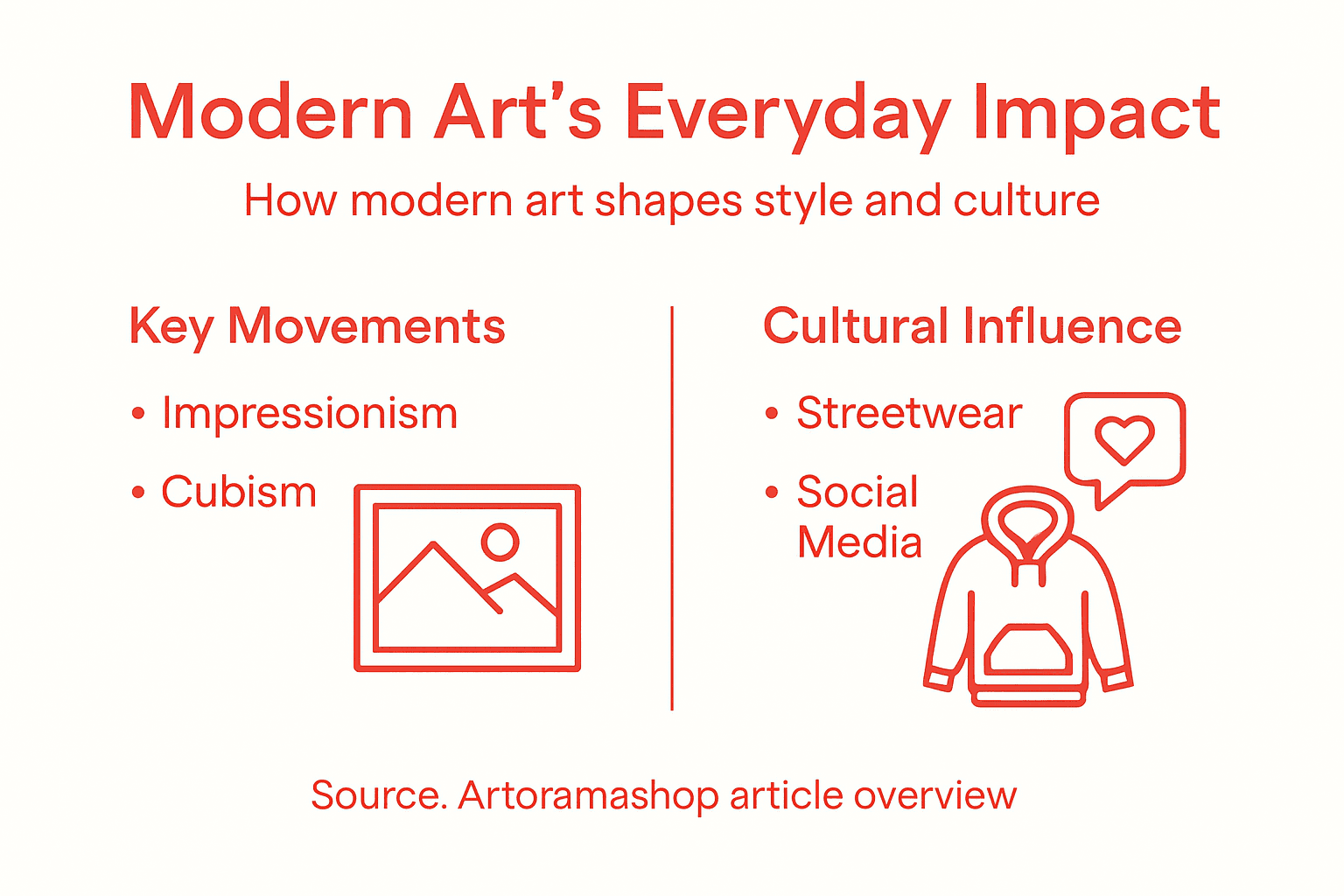
The aesthetic language of contemporary platforms directly reflects modern art movements. TikTok’s rapid-fire visual editing echoes Cubist fragmentation of perspective. Instagram’s carefully curated compositions draw from Pop Art’s bold color blocking and commercial imagery. Memes function as Surrealist art by combining unexpected elements to create meaning through juxtaposition and emotional resonance. Pop culture increasingly integrates consumerism and celebrity imagery in ways that feel like direct extensions of Pop Art’s original mission to elevate mass media as legitimate artistic subject matter. Artists now deliberately create work designed for social media consumption, understanding that platform aesthetics are themselves artistic mediums. What gets shared, what goes viral, and what becomes culturally significant reflects underlying modern art principles about composition, color theory, and conceptual depth. Your favorite TikTok creator might be unknowingly applying compositional rules developed by Abstract Expressionists decades ago.
Contemporary artworks blend popular culture with artistic expression through visual language from memes, Instagram aesthetics, and digital platforms, making art more accessible and reflective of modern life. This fusion has eliminated the gatekeeping that once separated “serious art” from “commercial culture.” A musician designs album artwork that becomes collectible. A visual artist collaborates with a clothing brand to create statement pieces. A street artist becomes recognized worldwide through social media documentation. The accessibility is revolutionary: anyone can encounter museum-quality artistic concepts through everyday items like t-shirts, hoodies, and posters featuring work from renowned artists and contemporary creators. This integration means that building a meaningful art collection no longer requires wealth or insider access. You can express sophisticated artistic taste through merchandise that speaks your values and aesthetic sensibilities.
Pro tip: When exploring pop culture art and merchandise, pay attention to which artistic movements resonate most with your instinctive preferences—whether you’re drawn to Pop Art’s vibrant energy, conceptual art’s intellectual depth, or street art’s social commentary—and use those attractions as guides for building a collection that authentically reflects your aesthetic identity.
Common Misconceptions and Misuse of Modern Art
If you’ve ever heard someone dismiss a modern artwork as “something my kid could make,” you’ve encountered one of the most persistent misconceptions about contemporary art. This dismissal usually stems from a fundamental misunderstanding about what modern art actually is and what artists are trying to accomplish. The assumption that simplicity equals lack of skill or intentionality overlooks the deliberate choices, conceptual depth, and technical mastery underlying most modern work. A Minimalist painting that appears to be a single color actually represents decades of experimentation with perception, light, and the viewer’s psychological response to visual simplicity. An abstract sculpture that looks like random shapes embodies specific mathematical principles, cultural commentary, or philosophical ideas. The problem isn’t the artwork itself; it’s that viewers often approach modern art expecting familiar representational meaning instead of engaging with how the work actually communicates.
Common misconceptions about modern art stem from resistance to change and inadequate arts education, leading people to dismiss modern artwork as simplistic or meaningless. Many viewers believe modern artists lack technical skill or that the work carries no legitimate meaning. These beliefs ignore the intentionality embedded in every creative decision. A Surrealist artist combining unexpected imagery isn’t being random; they’re using juxtaposition to bypass rational thought and speak directly to the subconscious. A Pop Artist incorporating commercial imagery isn’t being frivolous; they’re making statements about consumerism and cultural value. The artwork requires active participation from the viewer. You’re not supposed to passively receive meaning; you’re supposed to interpret it based on your own experience and knowledge. This interactive element frightens some people because it means there’s no single “correct” answer, no way to get it “wrong.”
Modern art misconceptions include false beliefs that artworks lack complexity, that artists lack technical skill, or that modern pieces invite only shallow interpretation. The reality is far more nuanced. Modern artists challenge traditional aesthetics intentionally and skillfully. They understand composition, perspective, and technique deeply enough to break those rules effectively. When you see someone dismiss a piece as meaningless, they’re often responding to their own unfamiliarity rather than any flaw in the artwork. Building appreciation requires deeper engagement. Learn about the artist’s context. Understand the movement they’re part of. Consider what cultural moment they’re responding to. When you view a Banksy piece or wear a t-shirt featuring abstract artwork, you’re not just seeing shapes and colors; you’re encountering ideas about society, identity, and expression. The work asks questions rather than providing answers. Your interpretation matters. What you bring to the artwork, what it makes you feel, what connections you draw from your own experience—that’s part of the artistic experience itself.
To help understand common misconceptions, here is a look at the realities behind them:
| Misconception | The Reality |
|---|---|
| “Modern art is simplistic” | Often involves deep technique and theory |
| “Artists lack technical skill” | Artists master form to intentionally break rules |
| “Meaning is shallow or absent” | Works carry rich symbolism and context |
| “Interpretation is not needed” | Viewer participation is essential |
Pro tip: When encountering modern art that initially confuses or frustrates you, pause before dismissing it and research the artist’s context, the movement they represent, and their stated artistic intentions—this background knowledge transforms your viewing experience from bafflement to genuine appreciation.
Bring Modern Art Influence Into Your Everyday Style
Feeling inspired by the revolutionary spirit of Cubism, Surrealism, or Pop Art and want to express those powerful artistic movements in your daily life The challenge is finding merchandise that truly captures the depth and authenticity of modern art without sacrificing quality or style. Many consumers struggle with generic designs that miss the meaningful connection to the art movements that shaped today’s culture and fashion.
At Artoramashop you can overcome this challenge with exclusive, high-quality apparel and collectibles that fuse genuine modern art influence with contemporary design. Whether you seek a bold hoodie featuring Banksy’s iconic street art or a collectible mug adorned with Matisse’s vivid color blocking every piece honors the core principles of these transformative movements. Authenticity matters because your wardrobe and collection should be more than decoration—they should be statements of cultural awareness and artistic appreciation.
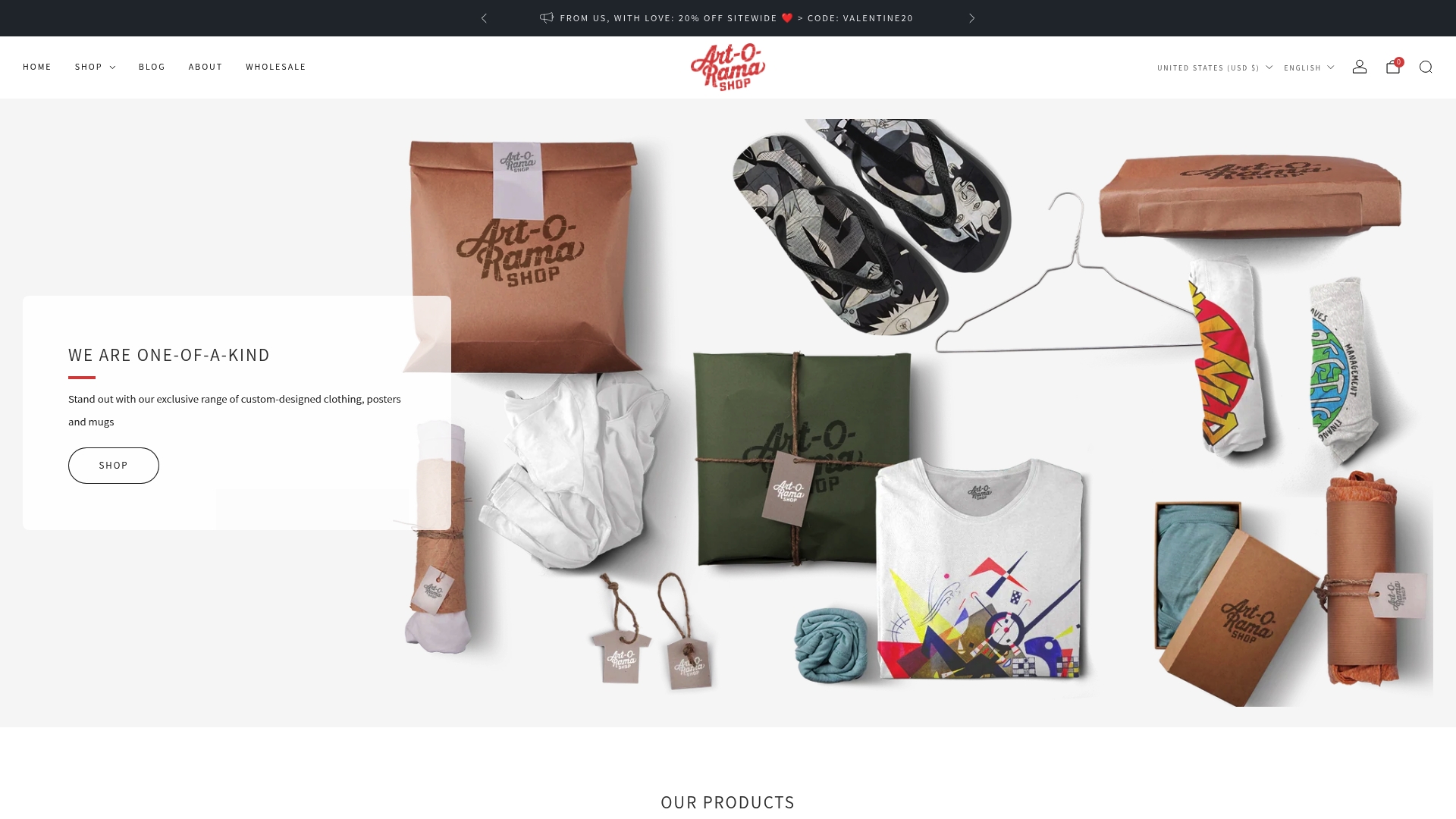
Discover how fashion and culture converge through art-inspired merchandise crafted for enthusiasts like you. Shop now at Artoramashop and select designs that resonate deeply with your personal artistic sensibility. Elevate your style with pieces reflecting Minimalism’s simplicity or the emotional intensity of Expressionism. Experience fast shipping and high-resolution prints that bring masterpieces into your everyday life. Start your journey toward meaningful, modern art-inspired style today.
Frequently Asked Questions
How does modern art influence contemporary fashion?
Modern art influences contemporary fashion by integrating themes, colors, and principles from various movements like Pop Art and Minimalism. Designers draw from these artistic concepts to create clothing that communicates deeper meanings and reflects cultural values.
What are the major movements in modern art that impact today’s design?
Major movements in modern art that influence today’s design include Cubism, Surrealism, Pop Art, Minimalism, Expressionism, and Street Art. Each of these movements offers distinct principles that manifest in contemporary merchandise and fashion, shaping how artists and designers create visual connections.
Why is there a misconception that modern art is simplistic?
The misconception that modern art is simplistic often stems from a lack of understanding of the techniques and theories involved. Many modern artworks are created with intentional complexity, requiring viewer engagement and interpretation rather than passive understanding.
How can I appreciate modern art more deeply?
You can appreciate modern art more deeply by researching the artist’s background, understanding the movement they belong to, and considering the cultural context of the piece. Engaging actively with the artwork and reflecting on your emotional and intellectual responses can enhance your appreciation.

