

Why Exclusive Prints Attract Art Collectors
Feb 09, 2026
Finding your next prized artwork often comes down to more than just aesthetics. With exclusive prints, collectors discover a world where rarity and authenticity create both emotional resonance and solid investment potential. These high-quality, artist-driven editions bridge personal expression with collectible value, offering tangible connections to creative vision. Whether you value pop culture references or seek proven investment opportunities, understanding the distinctive characteristics of exclusive prints will help you navigate the vibrant global art market.
Table of Contents
- Exclusive Prints Defined And Their Core Appeal
- Types Of Exclusive Prints And Key Differences
- Rarity, Authenticity, And Emotional Value
- Investment Potential And Long-Term Benefits
- Pop Culture Influence On Collecting Trends
Key Takeaways
| Point | Details |
|---|---|
| Exclusive Prints Hold Value | Limited edition prints capture an artist’s vision while combining accessibility and investment potential, appealing to collectors. |
| Rarity and Authenticity are Crucial | The uniqueness of exclusive prints, along with verified authenticity, enhances their desirability and market value. |
| Diverse Print Types Offer Unique Appeals | Various printmaking techniques cater to different collector interests, influencing the emotional and financial value of the artworks. |
| Cultural Relevance Shapes Trends | Contemporary art collecting reflects broader pop culture narratives, making the exchange of art a personal and interactive experience. |
Exclusive Prints Defined and Their Core Appeal
Exclusive prints represent a sophisticated intersection of artistic expression and collectible merchandise. These limited edition artworks offer collectors a unique opportunity to own original pieces that capture an artist’s creative vision while maintaining accessibility and investment potential.
At their core, exclusive prints are defined by several distinctive characteristics:
- Limited production runs that ensure scarcity and value
- Direct involvement of the artist in the printmaking process
- Individually signed and numbered editions
- Authentic reproduction techniques like screen printing, lithography, or etching
The appeal of exclusive prints stems from their remarkable ability to bridge the gap between original artwork and affordable collectibles. Limited print editions allow art enthusiasts to own genuine pieces created through complex artistic techniques, without the astronomical prices associated with unique original works.
Collectors are particularly drawn to exclusive prints because they offer tangible connections to artists’ creative processes. Each print represents a carefully crafted artifact that reflects the artist’s technical skill and aesthetic vision. The numbered and signed nature of these prints provides authenticity, transforming them from mere reproductions into legitimate art objects with intrinsic value.
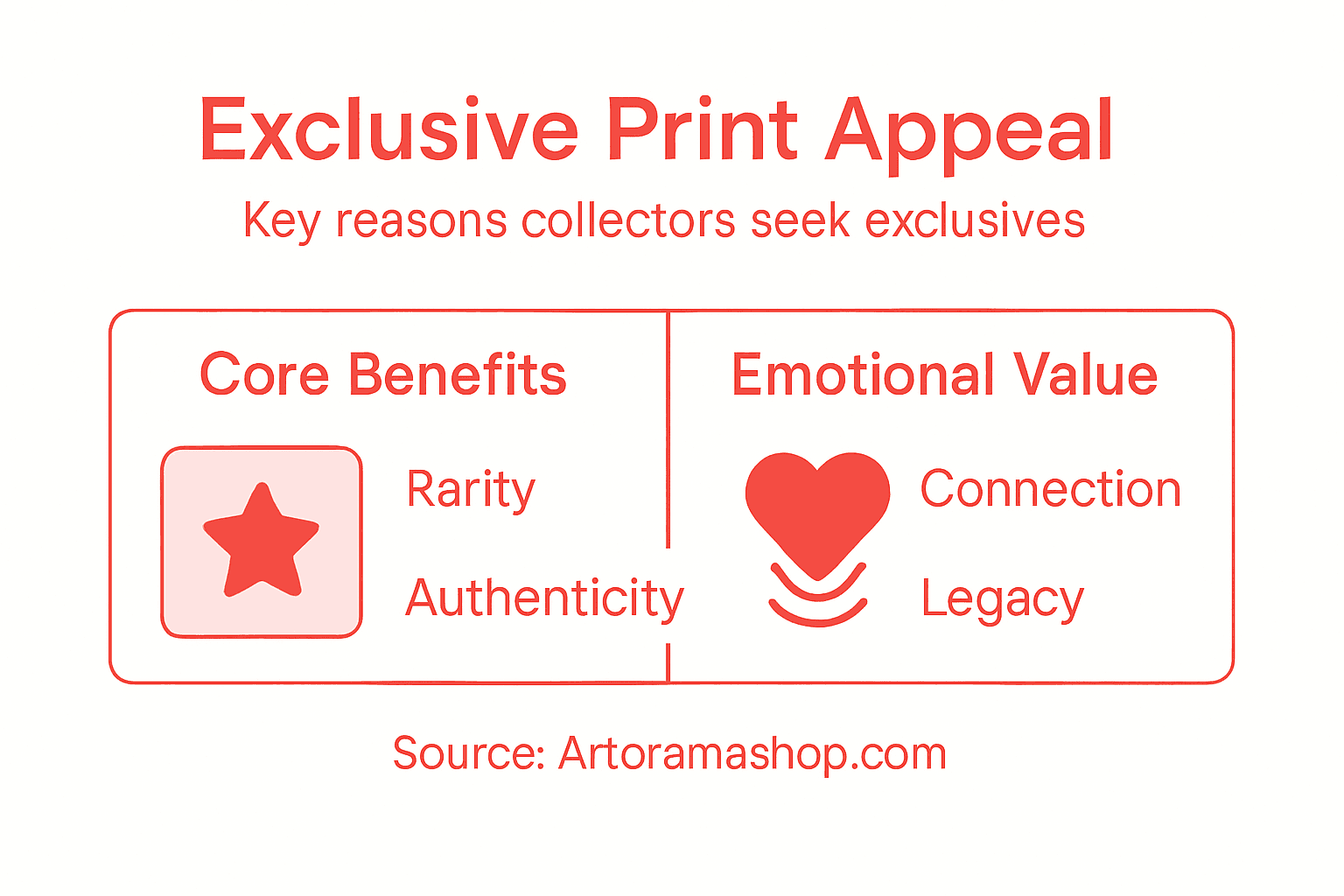
Rarity and Authenticity are the twin pillars that make exclusive prints so compelling for serious art collectors. Unlike mass-produced posters or digital reproductions, these prints carry the artist’s direct imprint, making them significantly more valuable. Authenticated print editions often come with certificates of origin, further enhancing their collectible status.
Pro tip: When collecting exclusive prints, always verify the edition size, artist’s signature, and documentation to ensure you’re acquiring a genuine, valuable artwork.
Types of Exclusive Prints and Key Differences
Exclusive prints represent a diverse world of artistic techniques, each with unique characteristics that appeal to different types of collectors and art enthusiasts. Printmaking techniques offer a fascinating range of methods that transform artistic vision into tangible, collectible works.
The primary types of exclusive prints include:
- Lithographs: Created by drawing on a stone or metal plate
- Etchings: Designed using acid to create intricate designs on metal plates
- Screenprints: Produced by pushing ink through a mesh screen
- Woodcuts: Carved into wood surfaces and printed using traditional techniques
- Giclée prints: Digital reproductions offering high-resolution details
Each printing technique carries its own unique aesthetic and technical challenges. Limited edition printing methods demonstrate significant variations in production complexity, color vibrancy, and artistic expression. Screenprints, for instance, are known for their vivid colors and labor-intensive process, while giclée prints leverage digital technology to create detailed reproductions at a lower cost.

Collectors and art enthusiasts appreciate these different print types for their distinctive qualities. Lithographs offer a painterly approach with soft, nuanced lines, whereas etchings provide intricate, precise details that showcase the artist’s technical skill. Screenprints bring bold, graphic qualities to artwork, making them particularly attractive for contemporary art collectors.
Here’s a comparison of popular exclusive print types and their unique collecting advantages:
| Print Type | Artistic Distinctive | Typical Collector Appeal |
|---|---|---|
| Lithograph | Painterly textures | Fans of classic, nuanced imagery |
| Etching | Precise line detail | Lovers of technical craftsmanship |
| Screenprint | Bold, vivid colors | Contemporary and pop art seekers |
| Woodcut | Organic, rustic feel | Traditional art collectors |
| Giclée | High-res, digital | Budget-conscious art enthusiasts |
Rarity and Production Technique play crucial roles in determining a print’s value. Factors like edition size, artist involvement, and authentication method significantly influence a print’s collectibility and potential investment value. Some techniques require more direct artist participation, which can increase the artwork’s perceived authenticity and worth.
Pro tip: Research the specific printmaking technique and verify the edition’s authenticity before investing in an exclusive print to ensure you’re acquiring a genuine, valuable artwork.
Rarity, Authenticity, and Emotional Value
Artwork rarity transforms exclusive prints from simple reproductions into coveted collectible treasures. The interplay between scarcity, authenticity, and emotional resonance creates a complex ecosystem that drives collector interest and investment potential.
Key elements that define an exclusive print’s value include:
- Limited edition size creating inherent scarcity
- Verified provenance and artist documentation
- Original artist signatures
- Certificates of authenticity
- Unique production techniques
Authenticity goes beyond mere paperwork. Emotional connection to art represents a profound psychological dimension that elevates an artwork’s perceived value. Collectors don’t just acquire a physical object; they invest in a piece of creative expression that resonates with their personal narrative and aesthetic sensibilities.
The emotional value of exclusive prints stems from their ability to create intimate connections. Each print tells a story, representing not just the artist’s vision but also the collector’s individual taste and cultural understanding. These artworks become more than decorative objects – they transform into personal statements that reflect individual identity and artistic appreciation.
Rarity and Emotional Significance work in tandem to create a print’s ultimate value. A truly exceptional exclusive print doesn’t just demonstrate technical mastery but also evokes an emotional response that transcends its physical form. The more genuine and unique the artwork, the more powerfully it connects with a collector’s inner world.
Pro tip: Always document the emotional journey behind your print collection, capturing not just the artwork’s details but the personal story that makes each piece meaningful.
Investment Potential and Long-Term Benefits
Exclusive print investments represent a sophisticated approach to art collecting that transcends traditional aesthetic appreciation. These carefully curated artworks offer collectors a unique opportunity to build a portfolio that combines cultural value with potential financial growth.
Key investment advantages of exclusive prints include:
- Controlled reproduction rights limiting market saturation
- Potential for significant long-term appreciation
- Lower initial investment compared to original artworks
- Diversification of art investment portfolio
- Tangible asset with cultural and monetary value
The financial landscape for exclusive prints is dynamic and nuanced. Unlike mass-produced artwork, these limited editions derive value from their inherent scarcity and artistic provenance. Serious collectors understand that the right exclusive print can appreciate substantially over time, transforming from a decorative item into a meaningful financial asset.
Collectors should approach exclusive print investments with strategic thinking. The artwork’s long-term value depends on multiple factors, including the artist’s reputation, edition size, historical significance, and preservation condition. Emerging artists with growing recognition can offer particularly interesting investment opportunities, as their early limited edition prints may become significantly more valuable as their careers progress.
Artistic Legacy and Market Dynamics interact in complex ways to determine an exclusive print’s investment potential. Prints that capture a pivotal moment in an artist’s career or represent a significant artistic movement tend to appreciate more consistently. The legal restrictions on reproduction further enhance their value, creating a protected market for discerning collectors.
This summary shows how key factors influence the investment value of exclusive prints:
| Factor | Impact on Value | Collector Consideration |
|---|---|---|
| Artist’s Reputation | Drives demand and prestige | Track artist’s career growth |
| Edition Size | Limits supply, affects rarity | Prefer smaller edition runs |
| Certification | Confirms authenticity | Keep certificates safe and documented |
| Condition | Maintains or boosts value | Avoid exposure to sunlight and moisture |
Pro tip: Document each print’s provenance meticulously, including certificates of authenticity, edition details, and artist information to maximize its future investment potential.
Pop Culture Influence on Collecting Trends
Pop art collecting trends have dramatically transformed the art world, breaking down traditional barriers between high culture and mass media. Contemporary collectors now embrace artworks that reflect broader cultural narratives, moving beyond classical aesthetic standards.
Key characteristics of pop culture’s influence on art collecting include:
- Democratization of art appreciation
- Broader representation of cultural experiences
- Integration of media and commercial imagery
- Emphasis on contemporary social commentary
- Rejection of traditional artistic hierarchies
The contemporary collector’s mindset has evolved significantly. Contemporary collecting behaviors now prioritize works that engage directly with media, celebrity culture, and societal trends. This shift represents more than aesthetic preference – it’s a profound statement about personal identity and cultural awareness.
Pop culture has fundamentally reimagined art collecting as a dynamic, interactive experience. Collectors are no longer passive acquirers but active participants in cultural dialogue. They seek artworks that challenge conventional narratives, incorporate familiar visual languages, and provide insightful commentary on modern existence.
Cultural Representation and Artistic Expression have become deeply intertwined in modern collecting practices. Artists who successfully capture the zeitgeist – transforming everyday imagery into provocative statements – find themselves at the forefront of collector interest. This approach democratizes art collection, making it more accessible and relevant to diverse audiences.
Pro tip: Explore art that resonates with your personal cultural experience, understanding that contemporary collecting is about storytelling and personal connection.
Discover the Appeal of Exclusive Art-Inspired Merchandise
Exclusive prints attract collectors because of their rarity, authenticity, and emotional value. At the heart of the challenge is finding unique artwork that captures this essence without the high costs or limited availability often associated with original pieces. If you are passionate about owning exclusive art that speaks to your personal taste and cultural interests, there is a way to bring that experience into your daily life.
At Artoramashop.com, we specialize in offering custom-designed apparel and collectibles featuring exclusive, high-resolution art from renowned artists like Picasso, Matisse, and Banksy. Our collection blends the allure of limited edition prints with wearable and functional items, allowing you to express your admiration for art movements and pop culture in a fresh and accessible way. Explore our carefully curated selection to find statement pieces that reflect your artistic passion and resonate emotionally.
Elevate your collection with art-inspired merchandise that embodies the scarcity and authenticity collectors seek.
Experience exclusive art beyond the gallery walls today.
Start your artistic journey with Artoramashop.com
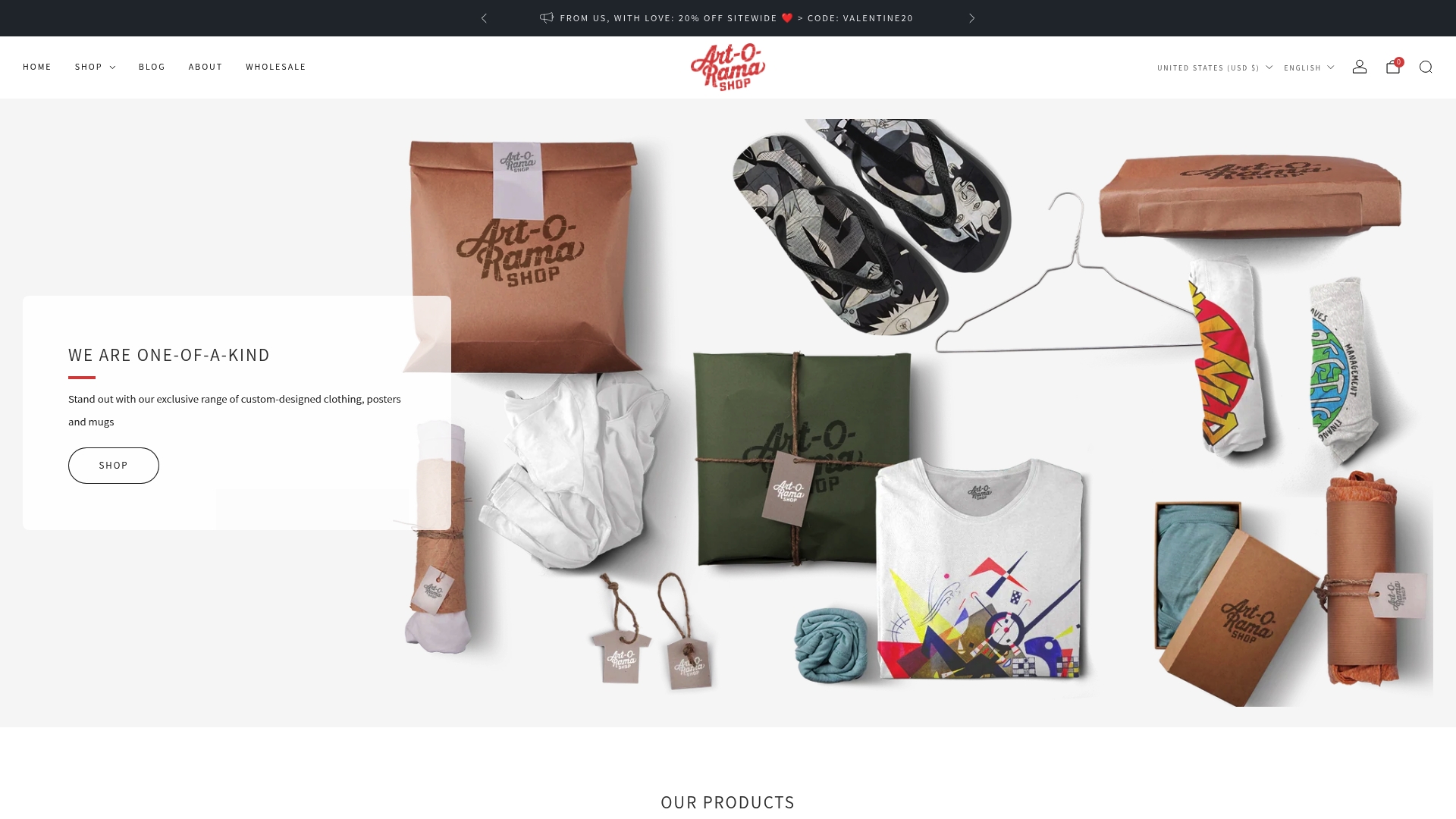
Dive into our world of exclusive art merchandise now and claim your unique piece before it becomes someone else’s treasure. Visit Artoramashop.com to explore the collection and embrace art in your everyday style.
Frequently Asked Questions
What defines exclusive prints in the art world?
Exclusive prints are characterized by limited production runs, artist involvement in the printmaking process, individually signed and numbered editions, and authentic reproduction techniques. They offer a blend of artistic expression and investment potential.
Why are exclusive prints appealing to art collectors?
Collectors are drawn to exclusive prints because they provide a unique connection to the artist’s creative process, allowing ownership of original pieces at more accessible prices. Their rarity and authenticity enhance their value.
What are the different types of exclusive prints?
The primary types of exclusive prints include lithographs, etchings, screenprints, woodcuts, and giclée prints. Each technique has its own aesthetic qualities and appeal to different collectors.
How does rarity impact the value of exclusive prints?
Rarity is crucial in determining the value of exclusive prints. Limited edition sizes, verified provenance, artist signatures, and unique production techniques all contribute to a print’s perceived scarcity and, consequently, its value.

