

How pop culture shapes unique design expressions
Mar 06, 2026
Fandom engagement now drives merchandise sales beyond influencer marketing, with sell-through rates hitting 90% within hours for pop culture collections. This shift reveals how deeply cultural trends influence design, creating merchandise that resonates authentically with enthusiasts. Understanding pop culture’s role helps you identify genuinely artistic, culturally meaningful products that reflect your personal interests and values in contemporary art and cultural movements.
Table of Contents
- Introduction To Pop Culture In Design
- How Pop Culture Influences Design Aesthetics
- Cultural Movements Driving Design Trends
- Common Misconceptions About Pop Culture In Design
- Pop Culture’s Economic And Consumer Impact On Design
- Practical Applications For Merchandising And Apparel Design
- Conclusion: Embracing Pop Culture For Unique Artistic Expression
- Discover Pop Culture-Inspired Art And Merchandise
- FAQ
Key takeaways
| Point | Details |
|---|---|
| Pop culture inspiration | Blends cultural trends and artistic expression to create authentic consumer connections through design. |
| Visual design evolution | Music, fashion, and media influence contemporary aesthetics in merchandise and apparel. |
| Nostalgia and fandom power | Drive merchandising strategies with strong emotional resonance and proven economic impact. |
| Authenticity matters | Thoughtful pop culture integration boosts consumer perception and engagement significantly. |
| Exclusive collaborations | High-quality prints and artist partnerships elevate merchandise value and collector appeal. |
Introduction to pop culture in design
Pop culture serves as a dynamic foundation for modern design, blending widely recognized cultural elements with artistic innovation. In the design context, it encompasses current trends from music, fashion, media, fandoms, and nostalgic revivals that shape how creators develop visual identities and products. This cultural influence drives authentic consumer resonance by reflecting societal moods and collective experiences.
Designers leverage pop culture as inspiration to craft merchandise that feels personally meaningful to target audiences. The role extends beyond surface aesthetics, embedding storytelling and identity into apparel, posters, and collectibles. Creative innovation thrives when designers tap into these shared cultural touchpoints, producing work that feels both fresh and familiar.
Key sources of pop culture influence include:
- Music genres and artist aesthetics driving color palettes and graphic styles
- Fashion movements introducing new silhouettes and pattern trends
- Film and media creating iconic visual references and character designs
- Online fandoms generating demand for niche, exclusive merchandise
- Nostalgic revivals bringing vintage elements back into contemporary contexts
Pop cultural trends operate cyclically, renewing design aesthetics regularly as generations rediscover and reinterpret past movements. This constant evolution keeps merchandise fresh while maintaining emotional connections through recognizable cultural touchstones. Understanding these cycles helps creators anticipate shifts and consumers identify timeless pieces.
How pop culture influences design aesthetics
Contemporary design trends in 2026 reflect pop culture’s emphasis on organic, human-centered aesthetics that prioritize authentic expression over polished perfection. Sensory design elements incorporate textures, asymmetry, and imperfect finishes that mirror cultural movements valuing individuality. These choices create merchandise that feels personally crafted rather than mass-produced.
Music and fashion revivals directly impact visual elements in merchandise design. Color palettes, typography, and graphic styles emerge from current musical genres, runway trends, and street fashion movements. For example, punk aesthetics influence bold typography and high-contrast color schemes, while indie music inspires softer, analog-inspired graphics. These connections make apparel feel culturally current and relevant.
Emerging digital technologies enhance how designers integrate pop cultural themes:
- Augmented reality features allowing customers to preview designs in real environments
- Virtual reality experiences showcasing artist collaborations and limited editions
- AI-assisted customization tools adapting pop culture motifs to personal preferences
- Digital printing advances enabling higher resolution art reproduction on fabric
Contemporary art movements intersect with pop cultural motifs to generate hybrid styles. Street art influences merge with digital illustration techniques, creating graphics that reference both gallery exhibitions and internet culture. This fusion appears in merchandise featuring artists like Banksy alongside modern graphic designers, as seen in collections exploring why pop art is still relevant in 2026.
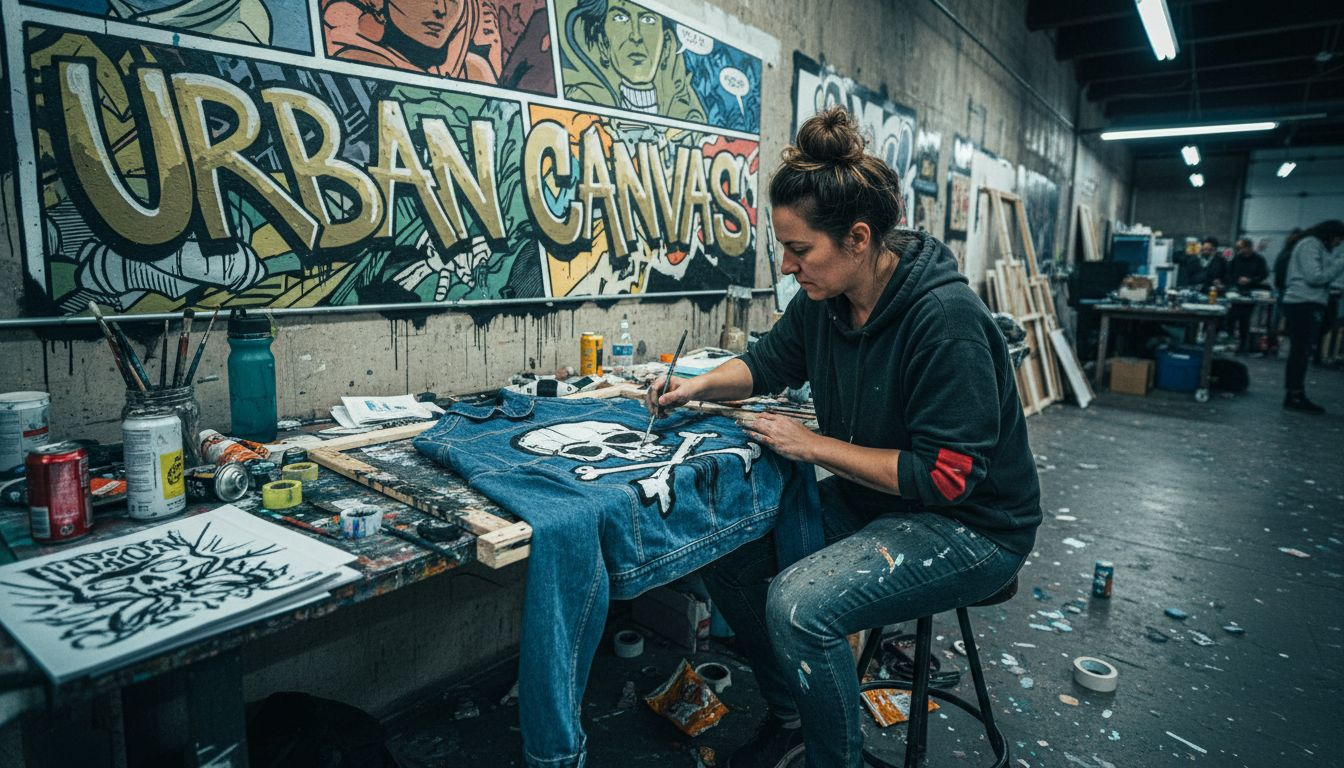
The interplay between modern art influence and style demonstrates how historical movements inform current pop culture design. Minimalist art principles balance maximalist pop culture references, creating visually dynamic merchandise that appeals to sophisticated collectors.
Pro Tip: Focus on unique cultural intersections rather than generic pop references to create designs that feel authentic and distinctive to specific communities.
Cultural movements driving design trends
Superfandom has transformed merchandise markets by creating highly engaged communities around specific cultural niches. Fandom-driven economies emphasize authentic connections, generating merchandise demand that outperforms traditional marketing approaches. These dedicated audiences seek exclusive items that signal membership in cultural communities, driving designers to create limited-edition collections.
| Design Approach | Emotional Appeal | Market Performance |
|---|---|---|
| Nostalgia-based | High familiarity, comfort, personal memory connections | Strong initial engagement, cyclical resurgence patterns |
| Futuristic themes | Innovation excitement, forward-looking identity | Niche appeal, tech-savvy demographic targeting |
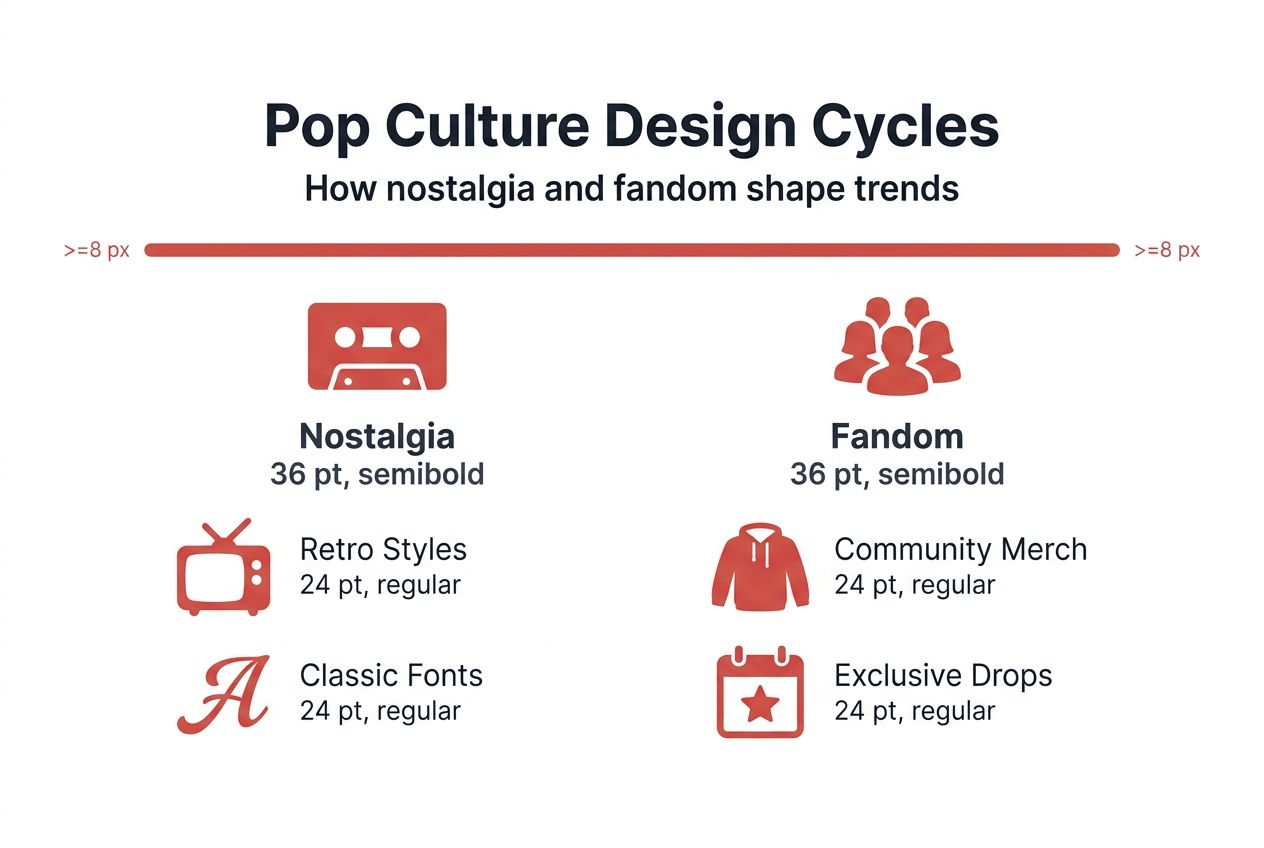
Nostalgia drives revival of retro design elements including vintage typography, color schemes from past decades, and analog textures that evoke specific eras. This emotional resonance makes merchandise feel personally meaningful, connecting consumers to formative cultural moments. The cyclical nature ensures freshness as each generation rediscovers different historical periods.
Pop culture functions as an evolving storytelling medium that communicates brand narratives visually. Designers embed cultural references that tell stories about artistic movements, musical eras, or fashion revolutions. This approach transforms apparel into wearable narratives that consumers use to express identity and values. Collections exploring why collect pop culture art demonstrate how merchandise serves both aesthetic and cultural documentation purposes.
Key cultural phenomena shaping design include:
- Genre blending across music, art, and fashion creating hybrid aesthetics
- Sustainability movements influencing material choices and production ethics
- Digital-native cultures bringing internet aesthetics into physical merchandise
- Global cultural exchange introducing diverse artistic traditions to mainstream design
Pro Tip: Leverage fandom insights when designing merchandise to align with consumer identity demands and exclusivity expectations that drive purchasing decisions.
Common misconceptions about pop culture in design
Many believe pop culture trivializes design by prioritizing trends over artistic merit. Evidence shows thoughtful integration enhances authenticity and creates unique consumer connections rather than diminishing creative value. When designers balance popular appeal with artistic integrity, the result elevates both commercial success and cultural relevance.
The myth that nostalgia-based designs are outdated ignores their proven ability to boost engagement through emotional connection. Retro aesthetics create familiarity while fresh execution prevents staleness. Consumers respond positively to designs that reference beloved cultural moments with contemporary interpretation, proving nostalgia’s ongoing market power.
Another misconception suggests pop culture design relies solely on memes and viral content. The reality encompasses rich sources including:
- Music movements spanning decades of genre evolution
- Fashion history from haute couture to street style
- Art movements from pop art to contemporary digital illustration
- Literary and cinematic cultural touchstones with lasting impact
- Subcultural aesthetics representing diverse communities and values
Designers must maintain balance between popular appeal and artistic integrity to create successful merchandise. Overusing generic pop references dilutes impact and feels inauthentic to discerning consumers. The solution lies in deeper cultural integration that respects source material while adding creative interpretation.
Common pitfalls include surface-level trend chasing without understanding cultural context, using copyrighted imagery without proper licensing, and misrepresenting subcultures through stereotypical design choices. Authentic integration requires research, respect for cultural origins, and collaboration with communities being referenced.
Pop culture’s economic and consumer impact on design
Data demonstrates fandom economies outperform traditional influencer marketing with merchandise sell-through rates reaching 90% within hours for culturally resonant collections. This economic power reshapes how brands approach design, prioritizing authentic cultural connections over broad demographic targeting. The financial incentive drives investment in exclusive collaborations and limited editions.
| Marketing Approach | Engagement Rate | Sell-Through Speed | Consumer Loyalty |
|---|---|---|---|
| Fandom-driven | 85-92% | Hours to days | High repeat purchase |
| Traditional influencer | 45-60% | Weeks to months | Moderate retention |
Collaborations with pop culture figures increase brand relevance by up to 40% as measured by consumer engagement metrics and social sharing. Limited-edition drops tied to specific artists or cultural moments create urgency that accelerates purchasing decisions. These partnerships enhance perceived product value by connecting merchandise to recognized creative voices.
Case studies reveal successful strategies:
- Artist collaboration series selling out within 6 hours of launch
- Nostalgia-themed collections generating 3x normal traffic during release periods
- Fandom-specific merchandise achieving 70% higher average order values
- Cultural moment tie-ins producing viral social media engagement
Consumer desire for exclusivity drives willingness to pay premium prices for pop culture art with authentic cultural resonance. Collectors view limited-edition merchandise as investment pieces that appreciate culturally if not financially. This perception transforms apparel and posters from disposable items into meaningful personal collections.
Economic impact shapes design choices by rewarding authentic cultural integration over generic trend following. Brands that understand specific fandom cultures and respect artistic integrity achieve stronger market performance. The data confirms consumers invest in merchandise that genuinely reflects their cultural identities and values.
Practical applications for merchandising and apparel design
Integrating pop culture references authentically into graphic apparel requires strategic execution:
- Research specific cultural movements and subcultures to understand visual language and values
- Identify intersection points between artistic traditions and current pop culture trends
- Collaborate with artists who have authentic connections to cultural communities
- Design graphics that reference source material respectfully while adding creative interpretation
- Select color palettes and typography that align with cultural aesthetic traditions
- Test designs with community members to ensure authentic representation
High-quality materials and printing methods maintain artistic integrity essential for credibility. Advanced printing techniques reproduce fine art details accurately, preserving the original artistic vision. Premium fabrics ensure longevity, positioning merchandise as collectible rather than disposable.
Aligning merchandise with fandoms and art movements creates niche appeal that dedicated collectors actively seek. Thematic collections organized by artist, era, or cultural movement help consumers find pieces matching their specific interests. This curation strategy differentiates brands in crowded markets by demonstrating cultural expertise.
Exclusive collaborations and limited editions drive urgency by creating scarcity around culturally significant designs. Release strategies that announce collaborations with specific artists or tie merchandise to cultural events generate anticipation. The exclusivity enhances collector value and justifies premium pricing.
Key implementation considerations:
- Licensing requirements for copyrighted cultural references and artist imagery
- Production timelines that allow quality control without missing cultural moments
- Pricing strategies balancing accessibility with premium positioning
- Marketing channels reaching specific fandom communities effectively
Pro Tip: Collaborate with emerging artists known for cultural commentary to add authenticity and collector value that established commercial partnerships may lack.
Conclusion: Embracing pop culture for unique artistic expression
Pop culture’s influence on contemporary design extends across aesthetics, storytelling, and authentic consumer connection. The evidence demonstrates how cultural trends drive successful merchandise strategies by creating emotional resonance and community belonging. Designers who understand these dynamics produce work that transcends commercial transactions to become meaningful cultural artifacts.
Consumers and creators benefit from recognizing authentic pop culture-inspired artistry that respects source material while adding creative value. The market rewards this authenticity with higher engagement, faster sales, and lasting collector appeal. As cultural movements continue evolving, opportunities expand for innovative design expressions.
Future outlook includes emerging technologies like 3D visualization trends enhancing how consumers experience pop culture design. Advances in 3D design techniques enable more immersive merchandise presentations and customization options. Cultural cycles will continue refreshing design aesthetics as new generations reinterpret past movements.
Embracing pop culture enriches personal expression by connecting individual style to broader cultural narratives. For creators, it offers endless inspiration rooted in shared human experiences. For consumers, it provides meaningful ways to signal identity and values through carefully curated merchandise choices. The intersection of art and pop culture continues generating unique design expressions that resonate across communities.
Discover pop culture-inspired art and merchandise
Now that you understand how pop culture shapes authentic design, explore merchandise that embodies these principles. Art-O-Rama Shop offers exclusive collections featuring renowned artists like Picasso, Matisse, and Banksy alongside contemporary pop culture designs. Each piece reflects the cultural authenticity and artistic integrity discussed throughout this guide.
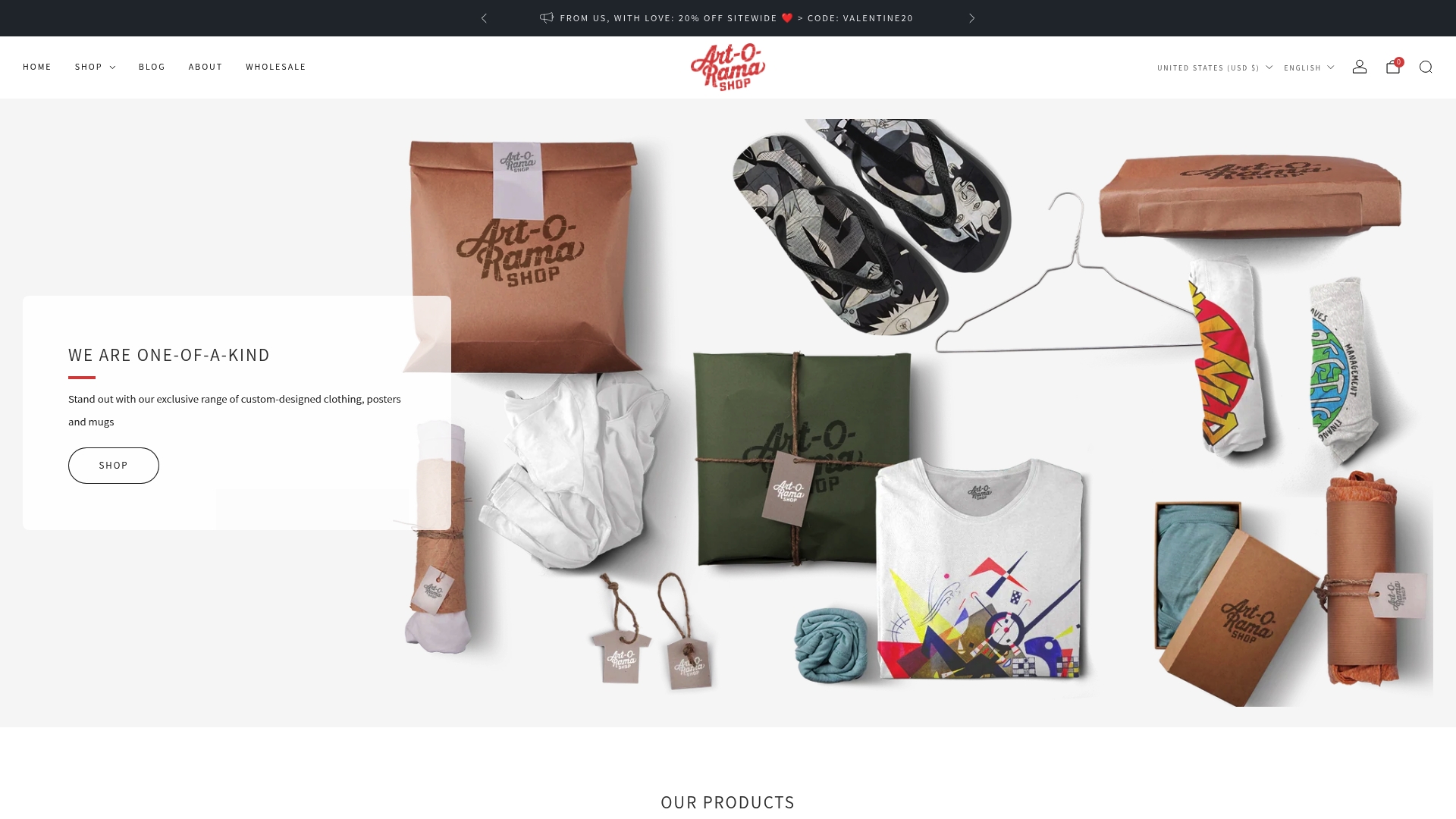
Our curated selection includes custom-designed apparel, art-themed posters, and collectible items that merge artistic tradition with current cultural trends. High-quality printing preserves fine art details while premium materials ensure lasting value. Whether you’re seeking statement pieces or building a culturally meaningful collection, our thematic browsing by artist and style helps you discover designs aligned with your interests. Express your personal style through merchandise that genuinely reflects contemporary art and pop culture movements.
FAQ
What is the role of nostalgia in pop culture design?
Nostalgia revives retro aesthetics creating emotional familiarity and cyclical freshness that enhance consumer engagement in design. It bridges past cultural moments with modern trends to keep merchandise relevant and appealing across generations.
How do fandom economies influence merchandise design?
Fandom economies focus on creating culturally resonant, exclusive merchandise appealing to dedicated communities with shared interests. They outperform traditional marketing by fostering emotional investment and engagement that drives rapid sales and higher consumer loyalty.
Can pop culture design be both trendy and authentic?
Authentic pop culture design blends current trends with meaningful cultural expression rather than relying on superficial fads or generic references. This approach boosts perceived product value and consumer connection significantly by respecting cultural sources.
How do music and fashion influence graphic design?
Music genres and fashion movements directly shape color palettes, typography choices, and graphic styles in contemporary merchandise. These cultural sources provide visual language that makes designs feel current and connected to active cultural conversations.
Why invest in limited-edition pop culture merchandise?
Limited editions create scarcity around culturally significant designs, enhancing collector value and exclusivity appeal. These pieces often appreciate culturally over time, serving as meaningful artifacts documenting specific artistic movements and cultural moments.

