

How to spot exclusive art t-shirts: a 2026 guide
Mar 09, 2026
Many buyers struggle to distinguish truly exclusive art t-shirts from mass-produced imitations flooding the market. Without clear authentication steps, you risk investing in low-quality counterfeits that lack collectible value. This guide delivers a practical framework to verify limited editions, confirm artist collaborations, assess premium materials, and validate provenance so you can build a genuine wearable art collection with confidence.
Table of Contents
- Understanding Exclusive Art T-Shirts
- Prerequisites: What You Need Before Spotting Exclusive Art T-Shirts
- Step 1: Evaluate Edition Size And Production Details
- Step 2: Verify Artist Collaboration And Licensing
- Step 3: Assess Material And Print Quality
- Step 4: Check For Provenance And Documentation
- Common Pitfalls When Buying Exclusive Art T-Shirts
- Expected Outcomes: What Success Looks Like When Spotting Exclusive Art T-Shirts
- Discover Exclusive Art T-Shirts At Art-O-Rama Shop
- Frequently Asked Questions
Key takeaways
| Point | Details |
|---|---|
| Exclusive art t-shirts feature limited editions with authentic artist collaborations | Scarcity and artist involvement create genuine collector value |
| Premium fabric and print quality separate exclusives from mass-market tees | Look for 100% combed cotton and prints that survive 100+ washes |
| Provenance and documentation confirm authenticity and investment potential | Certificates and edition numbers protect your purchase |
| Common mistakes include ignoring edition details and buying from unverified sellers | Up to 40% of buyers skip critical verification steps |
Understanding exclusive art t-shirts
Exclusive art t-shirts represent limited edition production and artist collaborations that create genuine scarcity in the market. Unlike generic graphic tees printed in unlimited runs, these pieces combine authentic artwork with controlled production numbers.
Collector value emerges from three core factors: verified scarcity through edition size, documented artist involvement, and premium construction quality. When an artist collaborates directly on a t-shirt design or licenses work specifically for limited runs, each piece becomes part of a traceable collection rather than another disposable garment.
Authenticity matters because it prevents counterfeits from diluting your investment. Artist involvement ensures you own an authorized piece rather than an unauthorized reproduction that carries no collector significance.
Exclusive art t-shirts differ from standard graphic tees in these ways:
- Edition sizes typically range from 100 to 1,000 pieces versus unlimited mass production
- Documentation includes certificates, edition numbers, or artist signatures
- Premium fabrics like ring-spun cotton replace standard blends
- Print techniques bond artwork deeply into fibers for lasting vibrancy
- Provenance traces each piece back to the original artist or authorized collaboration
Exploring why shop limited edition art reveals how controlled production creates lasting value. Each verified exclusive represents a curated intersection of wearable fashion and collectible art.
Prerequisites: What you need before spotting exclusive art t-shirts
Before evaluating any exclusive art t-shirt, you need foundational knowledge and resources to make informed decisions. Building this baseline ensures you recognize authenticity markers when they appear.
Start by researching artist names and signature styles relevant to art apparel. Familiarity with Picasso’s cubist elements, Matisse’s cutouts, or Banksy’s stencil work helps you spot unauthorized reproductions instantly. When you know how an artist’s authentic work appears, deviations become obvious.
Understanding fabric types and print quality markers forms your second prerequisite. Learn to distinguish combed cotton from standard blends by touch and recognize screen printing versus inferior heat transfers. This tactile knowledge protects you from marketing claims that overstate actual quality.
Access to provenance or limited edition documentation creates your verification framework. Know what certificates should include: edition numbers, total run size, artist signatures, and production dates. Without this baseline, you cannot evaluate whether offered documentation meets authenticity standards.
Awareness of official channels to verify artist collaborations completes your preparation. Research artist websites, authorized galleries, and legitimate retailers before shopping. These sources provide reference points when sellers make collaboration claims.
Essential tools include:
- Artist portfolio references showing authentic work
- Fabric comparison samples demonstrating quality differences
- Template examples of legitimate certificates and provenance documents
- Verified retailer lists from artist websites or official sources
Reviewing how to choose art apparel builds your evaluation framework. With these prerequisites met, you move from casual browser to informed collector ready to authenticate exclusives.
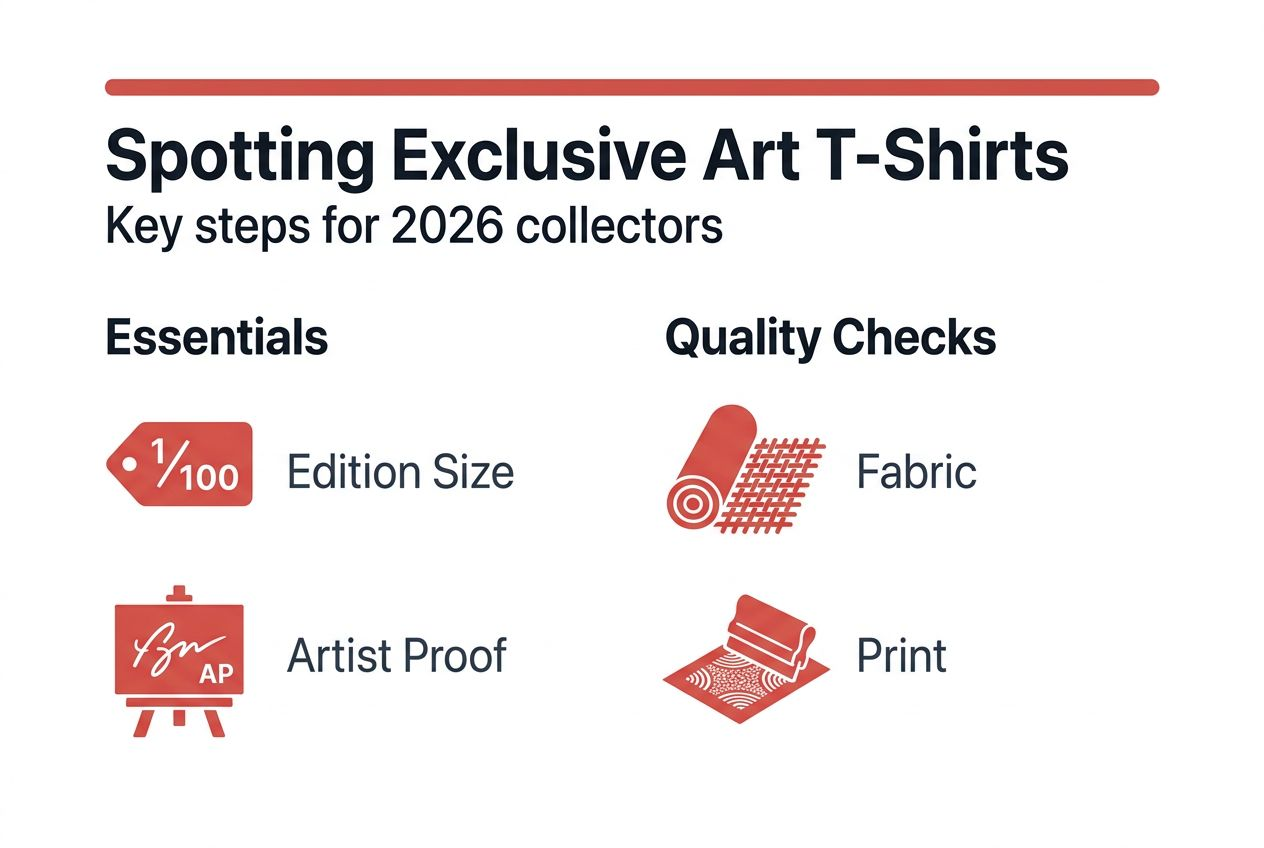
Step 1: Evaluate edition size and production details
Edition size serves as your primary exclusivity indicator. Limited edition in art t-shirts means production capped at a specific number, creating scarcity that drives collector value. Typical edition sizes range from 100-1,000 pieces, with smaller runs commanding higher premiums.
Reading edition numbers requires understanding standard notation. A marking of “42/250” means you own piece 42 from a total run of 250. The first number identifies your specific shirt, while the second confirms total production.
Follow these steps to confirm edition size during purchase:
- Request the total edition size before committing to buy
- Verify whether numbering appears on tags, labels, or certificates
- Ask sellers to photograph the edition marking for remote purchases
- Cross-reference claimed edition size with any artist or gallery announcements
- Confirm whether your purchase includes a certificate documenting the edition
Smaller edition sizes increase exclusivity exponentially. Compare these typical scenarios:
| Edition Size | Exclusivity Level | Typical Value Range |
|---|---|---|
| 50-100 pieces | Extremely rare | Premium collector tier |
| 100-250 pieces | Highly exclusive | Strong collector interest |
| 250-500 pieces | Limited availability | Moderate collector appeal |
| 500-1,000 pieces | Controlled production | Entry collector level |
Pro Tip: Verify edition claims by searching the artist’s official channels for production announcements. Legitimate limited edition art releases often appear in artist newsletters or gallery press releases.
Watch for red flags like missing edition numbers, vague “limited” claims without specific totals, or sellers unable to provide documentation. These signs suggest mass-produced items marketed as exclusives without genuine scarcity.
Step 2: Verify artist collaboration and licensing
Authentic artist involvement separates genuine exclusives from unauthorized reproductions. Verification protects you from counterfeits while ensuring your purchase supports legitimate creative work.
Identifying artist signatures, tags, or labels starts with physical inspection. Look for embroidered artist signatures, printed authentication marks inside collars, or hang tags displaying collaboration details. Legitimate exclusives typically feature multiple authentication points rather than relying on a single marker.

Official licensing or collaboration proof appears in several forms. Certificates should name the artist, describe the collaboration scope, and include contact information for verification. Artist websites often maintain lists of authorized retailers and official collaboration announcements.
Cross-checking legitimacy requires active investigation:
- Visit the artist’s official website to find authorized retailer lists
- Search for press releases announcing the specific collaboration
- Contact galleries representing the artist to confirm partnership details
- Review the retailer’s history of artist collaborations and exclusives
Recognizing unauthorized or counterfeit artist uses becomes easier with practice. Counterfeits often display poor print quality, incorrect color palettes, or design elements that deviate from the artist’s authentic style. Unauthorized reproductions may use artist names without permission or create “inspired by” designs that mislead buyers.
Pro Tip: Legitimate retailers like those offering authentic artist collaborations provide clear provenance trails connecting each piece to its source. Request this documentation before purchasing.
When sellers cannot produce collaboration proof or avoid verification questions, walk away. The exclusive art t-shirt market rewards patient buyers who demand authentication over those rushing into questionable purchases.
Step 3: Assess material and print quality
Fabric and print quality reveal whether an art t-shirt justifies its exclusive status or represents overpriced mass production. Premium materials and professional printing techniques create durability that preserves your investment.
Premium fabric like 100% combed cotton offers softness, breathability, and durability that outlast mass-market blends. Ring-spun threads create smoother surfaces that showcase artwork with greater clarity. When evaluating fabric, feel for substantial weight without stiffness, indicating quality construction.
High-quality art t-shirts use premium techniques that bond artwork deeply into fabric fibers, ensuring vibrant and lasting prints resistant to cracking or fading. Screen printing and direct-to-garment methods create this deep integration, while inferior heat transfers sit on fabric surfaces and deteriorate quickly.
Print durability surpassing 100 washes without fading or cracking demonstrates professional execution. Ask sellers about print longevity guarantees and washing test results. Exclusive pieces should maintain visual integrity through years of regular wear.
Key quality indicators include:
- Fabric weight of 4.5-6 ounces per square yard indicating substantial construction
- Tight, even stitching at seams and hems without loose threads
- Color vibrancy matching the artist’s original palette precisely
- Print texture integrating smoothly with fabric rather than sitting raised
- Pre-shrunk fabric preventing size changes after washing
Mass-produced t-shirts cut costs through thin fabrics, polyester blends, and surface-level prints. Compare an exclusive side by side with a standard graphic tee. The exclusive feels heavier, displays richer colors, and shows no print cracking even after multiple washes.
“The difference between exclusive and mass-produced art t-shirts becomes obvious when you examine print integration. Premium pieces show no separation between artwork and fabric, creating a unified surface that ages gracefully.”
Examining fabric and print quality indicators builds your ability to spot superior construction instantly. Touch, visual inspection, and washing performance separate genuine exclusives from pretenders.
Step 4: Check for provenance and documentation
Provenance documentation transforms a t-shirt from casual apparel into a verified collectible with traceable origins. This paper trail proves authenticity and protects your investment’s long-term value.
Legitimate provenance includes certificates of authenticity, purchase receipts from authorized sources, and artist collaboration paperwork. Certificates should detail the edition number, total production run, artist name, collaboration description, and production date. High-value exclusives may include artist signatures or gallery stamps.
Provenance importance extends beyond initial purchase. When you decide to resell, documented authenticity commands premium prices while undocumented pieces struggle to attract serious collectors. The paper trail proves you own a genuine exclusive rather than a reproduction.
Requesting provenance from sellers requires direct communication:
- Ask for certificates before finalizing purchases
- Request photographs of all documentation for remote transactions
- Verify certificate details match the physical t-shirt’s edition marking
- Confirm documentation includes contact information for authentication verification
Where and how to obtain proof varies by source. Galleries and authorized retailers provide documentation automatically with exclusive purchases. Private sellers should transfer original certificates received at initial purchase. Online marketplaces require you to request documentation before bidding or buying.
Using provenance to avoid counterfeits means checking every detail. Compare certificate information against artist records and collaboration announcements. Verify that edition numbers fall within claimed production totals. Contact listed authentication sources to confirm certificate legitimacy.
Missing documentation signals potential problems. While some legitimate older exclusives may lack certificates due to lost paperwork, this absence reduces value and complicates authentication. Factor documentation gaps into your purchase decision and price negotiations.
Common pitfalls when buying exclusive art t-shirts
Up to 40% of buyers neglect print and fabric quality checks and fail to verify edition size or artist licensing. These common mistakes cost collectors money and credibility.
Failing to confirm edition size or artist licensing represents the most frequent error. Buyers assume seller claims without demanding proof, discovering too late they purchased mass-produced items marketed as exclusives. Always verify edition details and licensing documentation before committing funds.
Ignoring fabric and print durability signs leads to purchases that deteriorate rapidly. A t-shirt displaying immediate print cracking or fabric pilling after one wash never qualified as exclusive despite marketing claims. Physical inspection reveals quality truth that marketing copy obscures.
Purchasing from unverified or unauthorized sellers exposes you to counterfeits and reproductions. The exclusive art t-shirt market attracts scammers selling fake limited editions with fabricated documentation. Stick to authorized retailers with verifiable artist relationships.
Overreliance on price as authenticity indicator creates false confidence. High prices alone do not guarantee exclusivity, while some legitimate exclusives sell at accessible price points during official releases. Price should support other verification factors, not replace them.
Additional mistakes include:
- Accepting vague “limited edition” claims without specific production numbers
- Skipping physical inspection before purchasing vintage or resale exclusives
- Ignoring washing and care instructions that protect print longevity
- Failing to research artist collaboration histories and typical retail channels
- Rushing purchases without comparing multiple sources and prices
Pro Tip: Create a verification checklist covering edition size, artist documentation, fabric quality, print technique, and provenance. Complete every item before purchasing to avoid common buying mistakes.
The most successful collectors approach exclusive art t-shirts with healthy skepticism. They demand proof, compare sources, and walk away from questionable deals. This disciplined approach builds collections worth displaying and preserving.
Expected outcomes: What success looks like when spotting exclusive art t-shirts
Mastering these verification steps transforms you from casual buyer into confident collector. You gain the ability to authenticate genuine limited edition art t-shirts instantly, recognizing quality markers and documentation standards that separate exclusives from mass-market items.
Your knowledge enables you to build a valuable wearable art collection with verified provenance. Each piece you acquire carries documentation proving authenticity, creating a curated collection that appreciates over time rather than cluttering your closet with disposable fashion.
Recognition of hallmark qualities becomes second nature. You spot premium fabrics by touch, identify professional print techniques visually, and evaluate edition documentation for legitimacy without hesitation. This expertise saves money by preventing bad purchases while helping you recognize genuine opportunities.
Preparedness to avoid counterfeit and low-quality purchases protects your investment budget. You confidently reject overpriced reproductions and walk away from sellers who cannot provide verification. Your collection grows strategically with pieces meeting authentic exclusivity standards.
Success means wearing art that starts conversations, knowing each piece represents genuine scarcity and artist collaboration. You share knowledge with fellow collectors, building community around wearable art appreciation. Your wardrobe becomes a rotating gallery showcasing verified exclusives rather than generic graphic tees.
Discover exclusive art t-shirts at Art-O-Rama Shop
Ready to build your exclusive art t-shirt collection with confidence? Art-O-Rama Shop offers authentic limited edition artist collaboration pieces featuring renowned names like Picasso, Matisse, and Banksy.
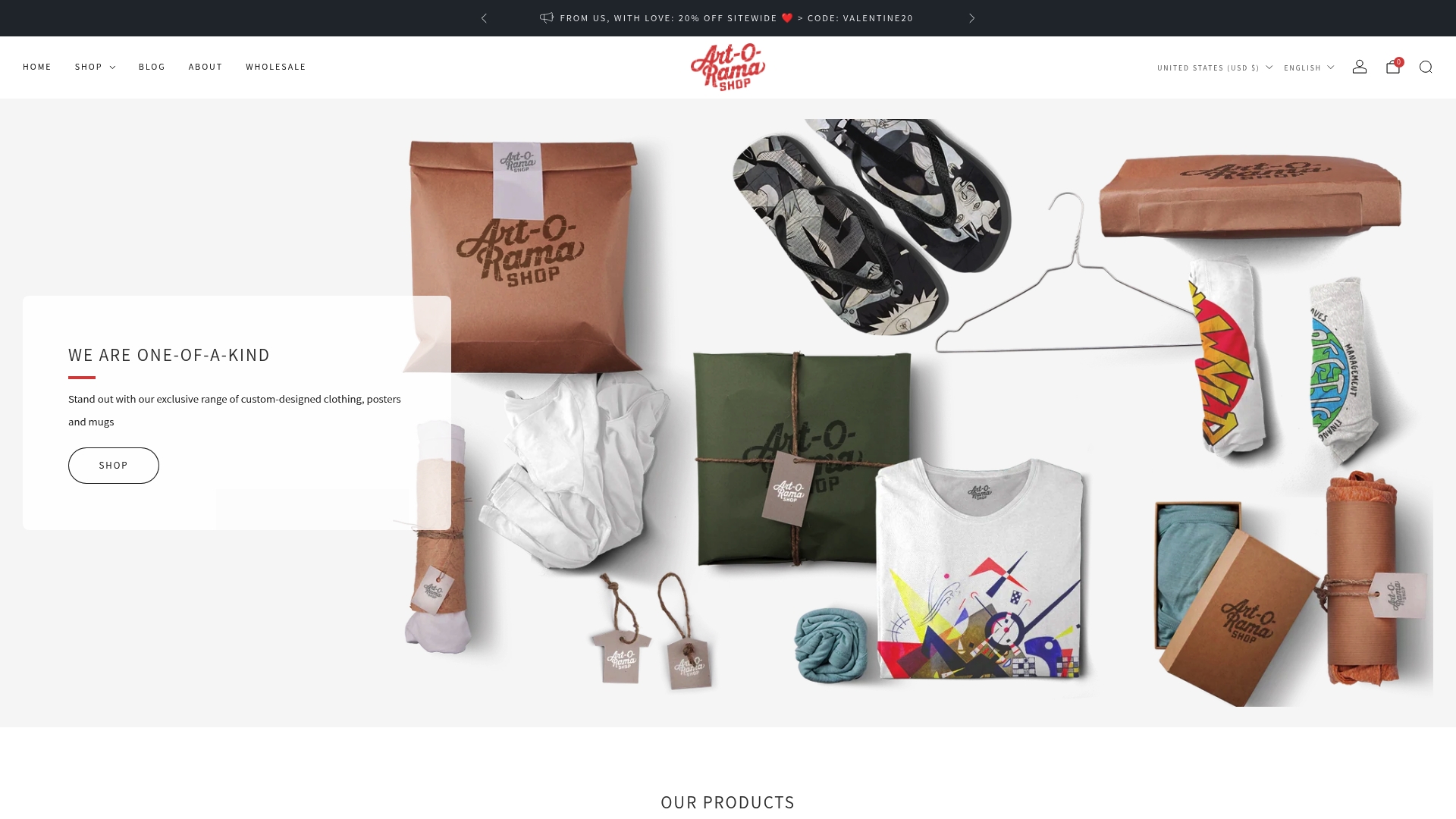
Every piece comes with verified provenance and premium construction using quality materials that ensure lasting wear. Browse curated collections where exclusivity meets wearable art, backed by clear documentation and fast shipping.
Explore helpful guides on choosing art apparel that refine your collector knowledge. Start building your wearable art collection today with trusted exclusives that combine artistic heritage with statement-making style.
Frequently asked questions
What defines an art t-shirt as ‘exclusive’?
Exclusivity comes from limited edition production, authentic artist collaboration, and premium quality construction. Genuine exclusives feature controlled edition sizes, verified artist involvement, and documentation proving authenticity.
How do I check edition numbers on exclusive art t-shirts?
Look for markings like “42/250” on tags, labels, or certificates showing your piece number and total production run. Request documentation photographing these markings before purchasing remote items.
What are signs of counterfeit art t-shirts I should avoid?
Counterfeits display poor print quality, incorrect colors, missing documentation, and vague edition claims. Sellers unable to provide artist collaboration proof or provenance certificates typically offer unauthorized reproductions.
Where can I purchase verified exclusive art t-shirts safely?
Shop authorized retailers listed on artist websites, established galleries with artist relationships, and reputable platforms specializing in limited edition art apparel. Always demand documentation before purchasing and verify seller credentials through artist official channels.

