

7 Inspiring Examples of Pop Art Styles to Know
Jan 31, 2026
Trying to understand why Pop Art stands out can leave you overwhelmed by its bold visuals and surprising techniques. Each iconic style—from energetic comic book dots to eye-catching collage—was carefully crafted to challenge what art could be. If you want to spot real Pop Art or experiment with these methods yourself, you need clear explanations of how these styles work and why they matter.
Get ready to discover the key features and secrets behind the most recognizable Pop Art techniques. The insights ahead reveal how artists like Roy Lichtenstein used mechanical printing aesthetics and collage to turn everyday imagery into cultural icons. Whether you’re an art lover or curious creator, you’ll find practical ways to identify, analyze, or even try these styles in your own work.
Table of Contents
- Comic Book Pop Art: Bold Outlines And Ben-Day Dots
- Collage And Mixed Media Techniques In Pop Art
- Stencil And Spray Paint Pop Art Styles
- Photorealism In Pop Art: Everyday Imagery Reimagined
- Repeated Pattern And Iconography In Pop Art
- Commercial Product And Advertisement Pop Art
- Digital And Contemporary Pop Art Innovations
Quick Summary
| Takeaway | Explanation |
|---|---|
| 1. Comic Book Art Redefines High Art | Roy Lichtenstein’s techniques blurred the lines between commercial design and fine art, prompting a reevaluation of artistic originality. |
| 2. Collage Techniques Critique Consumer Culture | Artists like Richard Hamilton used mixed media to challenge traditional art forms and comment on modern life’s sensory experiences. |
| 3. Stencil Art Merges Urban and Fine Art | Artists such as Banksy utilized stencils to create visual statements that resonate with contemporary cultural narratives and social issues. |
| 4. Photorealism Elevates Everyday Imagery | Richard Estes and Chuck Close transformed mundane scenes into extraordinary artworks through meticulous detail, blurring perception boundaries. |
| 5. Digital Innovations Expand Artistic Boundaries | Contemporary artists leverage technology for dynamic, interactive Pop Art experiences that push the limits of traditional media. |
1. Comic Book Pop Art: Bold Outlines and Ben-Day Dots
Pop Art transformed everyday comic book imagery into groundbreaking fine art through vibrant, bold visual techniques that challenged traditional artistic boundaries. Roy Lichtenstein pioneered a revolutionary approach that turned commercial printing methods into high art.
At the core of Comic Book Pop Art lies the distinctive mechanical printing aesthetic characterized by two key elements:
- Bold Black Outlines: Sharp graphic lines that define comic book characters and scenes
- Ben-Day Dots: Small colored dots used to create shading and texture
Lichtenstein’s technique involved meticulously hand-painting enlarged dots using stencils to mimic mass media printing processes. His iconic works like “Whaam!” and “Drowning Girl” demonstrated how commercial imagery could be transformed into critically acclaimed fine art.
Comic Book Pop Art challenges viewers to reconsider the boundary between commercial design and high art.
The significance of this style extends beyond visual aesthetics. By appropriating comic book imagery Lichtenstein critiqued consumer culture and explored complex questions about artistic reproduction and originality.
Pro tip: Study classic comic book panels to understand the graphic design principles that inspired Pop Art masters.
2. Collage and Mixed Media Techniques in Pop Art
Pop Art revolutionized visual expression by embracing innovative collage techniques that transformed fragmented cultural imagery into powerful artistic statements. This approach allowed artists to challenge traditional art boundaries and critique contemporary media.
Collage in Pop Art involves combining multiple visual elements from different sources to create a new artistic narrative. Key characteristics include:
- Mixing Media: Blending photographs newspaper clippings advertising materials
- Cultural Commentary: Using commercial imagery to critique consumer society
- Visual Fragmentation: Representing modern life’s complex sensory experiences
Artists like Richard Hamilton and Peter Blake pioneered this technique by juxtaposing commercial imagery in ways that challenged artistic conventions.
Collage becomes a powerful tool for cultural critique transforming everyday materials into profound artistic statements.
By assembling fragments from magazines advertisements and media sources Pop Art collage artists created visual compositions that reflected the fragmented nature of modern experience. These works invited viewers to reconsider the relationship between art commercial imagery and cultural consumption.
Pro tip: Collect diverse visual materials like magazine clippings packaging and printed ephemera to experiment with your own mixed media artistic compositions.
3. Stencil and Spray Paint Pop Art Styles
Stencil art techniques transformed Pop Art by introducing a revolutionary method of creating bold graphic imagery with urban energy and mass media commentary. This unique approach blends street art aesthetics with classic Pop Art principles.
Stencil art in Pop Art involves creating intricate images through carefully designed layered cutouts and spray paint application. Key characteristics include:
- High Contrast Visuals: Sharp graphic designs with bold color blocking
- Reproducibility: Easy replication of complex artistic images
- Urban Cultural Commentary: Blending street art with social messaging
Artists like Banksy and Shepard Fairey pioneered urban Pop Art stencil techniques that combine precise technical skill with powerful visual communication. These artists use multilayered stencils to create detailed portraits and images that challenge cultural narratives.
Stencil art transforms everyday imagery into powerful visual statements that resonate across urban landscapes.
The technique allows artists to rapidly reproduce complex designs while maintaining graphic integrity. By using specialized spray paints and meticulously designed stencils artists can create works that speak directly to contemporary cultural experiences.
Pro tip: Practice creating simple stencil designs by cutting intricate patterns from cardboard or acetate sheets to explore this dynamic artistic technique.
4. Photorealism in Pop Art: Everyday Imagery Reimagined
Photorealism emerged as a groundbreaking art movement that transformed ordinary scenes into extraordinary visual experiences. This style pushed the boundaries of perception by creating hyper-detailed paintings that looked almost indistinguishable from photographs.
The technique involves several unique characteristics:
- Mechanical Reproduction: Using photographs as precise painting references
- Extreme Visual Precision: Capturing minute details with photographic accuracy
- Reimagining Mundane Scenes: Elevating everyday imagery into fine art
Artists like Richard Estes and Chuck Close developed intricate methods to project and reproduce photographic images onto canvases. They challenged traditional artistic representation by creating works that blurred the line between mechanical reproduction and handmade art.
Photorealism transforms the ordinary into the extraordinary through meticulous visual interpretation.
By using techniques such as grid projection mechanical tracing and careful color matching photorealist artists created paintings that looked like perfect photographs. This approach allowed them to explore how mechanical reproduction changes our perception of visual reality.
Pro tip: Practice developing your visual accuracy by trying to sketch or paint exact replicas of photographs paying close attention to light shadows and minute details.
5. Repeated Pattern and Iconography in Pop Art
Pop Art embraced repetition as a powerful artistic strategy that challenged traditional notions of artistic originality and uniqueness. By reproducing images with subtle variations artists transformed everyday objects into profound cultural commentaries.
The technique of repeated iconography involves several distinctive approaches:
- Serial Image Creation: Reproducing identical or slightly modified images
- Color Variation: Changing color palettes to alter visual perception
- Mass Production Critique: Highlighting consumer culture’s mechanical reproduction
Artists like Andy Warhol became masters of this approach transforming commercial images such as Campbell’s soup cans and celebrity portraits into iconic artworks. These repeated images challenged viewers to reconsider the boundaries between art commercial imagery and mass media.
Repetition in Pop Art transforms the mundane into a powerful visual statement about contemporary culture.
By manipulating familiar images through strategic repetition Pop Art artists created visual experiences that were both familiar and disorienting. The technique invited audiences to examine how repeated imagery shapes our cultural perceptions and consumer experiences.
Pro tip: Experiment with creating your own repeated image series by selecting a common object and reproducing it with subtle color or perspective variations.
6. Commercial Product and Advertisement Pop Art
Pop Art revolutionized visual communication by transforming commercial advertising into a dynamic and engaging art form that spoke directly to consumer experiences. This artistic movement turned everyday products into powerful visual statements.
Key characteristics of Commercial Product Pop Art include:
- Vibrant Color Palettes: Bold primary colors that grab attention
- Simplified Product Imagery: Iconic representations of consumer goods
- Satirical Visual Commentary: Critiquing consumer culture through design
The integration of Pop Art into advertising created a unique visual language that made commercial communication more appealing and accessible. Artists transformed mundane product images into compelling visual narratives that resonated with audiences.
Commercial Product Pop Art turns everyday objects into extraordinary cultural symbols.
By employing bold graphic techniques artists could communicate complex ideas about consumption culture through seemingly simple product representations. These visual strategies challenged viewers to reconsider their relationship with consumer goods and marketing imagery.
Pro tip: Practice analyzing advertisements by identifying the visual techniques and symbolic messaging used to transform ordinary products into compelling narratives.
7. Digital and Contemporary Pop Art Innovations
Pop Art has dramatically evolved through technological advancement, transforming from traditional painting techniques to cutting edge digital expressions that push artistic boundaries.
Contemporary Digital Pop Art encompasses several groundbreaking approaches:
- 3D Printing: Creating multi-dimensional artistic objects
- Virtual Reality Experiences: Immersive interactive artworks
- Artificial Intelligence Design: Generative art techniques
- Global Digital Platforms: Connecting artists worldwide
Advanced digital technologies have expanded artistic possibilities by enabling complex visual narratives that transcend traditional media limitations. Artists now use sophisticated tools to create intricate multicultural and multilayered artistic expressions.
Digital innovations transform Pop Art from static imagery into dynamic interactive experiences.
These technological integrations allow artists to experiment with new forms of visual communication that challenge conventional artistic representation and engage audiences through innovative interactive platforms.
Pro tip: Explore online digital art platforms and experiment with AI design tools to understand how contemporary artists are reimagining Pop Art in the digital age.
Below is a comprehensive table summarizing the key concepts and styles discussed in the article regarding Pop Art and its various techniques and innovations.
| Art Style | Key Characteristics | Notable Artists and Works |
|---|---|---|
| Comic Book Pop Art | Use of bold black outlines and Ben-Day dots to create dramatic effects | Roy Lichtenstein: Whaam!, Drowning Girl |
| Collage and Mixed Media | Incorporation of visual fragments to critique consumer culture and represent complexity | Richard Hamilton, Peter Blake |
| Stencil and Spray Paint | High-contrast designs using layered stencils and spray paint | Banksy, Shepard Fairey |
| Photorealism | Hyper-detailed works resembling photographs using meticulous reproduction | Richard Estes, Chuck Close |
| Repeated Patterns and Iconography | Creation of repeated images with slight variations exploring consumerism | Andy Warhol: Campbell’s Soup Cans, Celebrity Portraits |
| Commercial Product Pop Art | Bold, simplified imagery of iconic products highlighting consumer culture | Works integrating advertising themes from various commercial products |
| Digital and Contemporary Innovations | Use of technologies like 3D printing, virtual reality, and artificial intelligence | Digital platform artists pioneering global interactive experiences |
Discover Bold Pop Art Styles Through Wearable Masterpieces
The article highlights unique Pop Art styles like comic book bold outlines, collage techniques, and stencil spray paint methods that challenge traditional art boundaries while critiquing consumer culture. If you are inspired by the vivid repetition of Andy Warhol or the photorealism of Chuck Close, you understand the power of graphic expression to transform everyday imagery into striking cultural statements. The challenge is finding high-quality products that celebrate these iconic styles with the exclusivity and artistic integrity they deserve.
At Artoramashop.com, we bring these inspiring Pop Art movements to life on custom-designed apparel including t-shirts and hoodies, as well as collectible posters and mugs. Our exclusive collection fuses bold outlines, conceptual collages, and urban stencil aesthetics into stylish, wearable art.
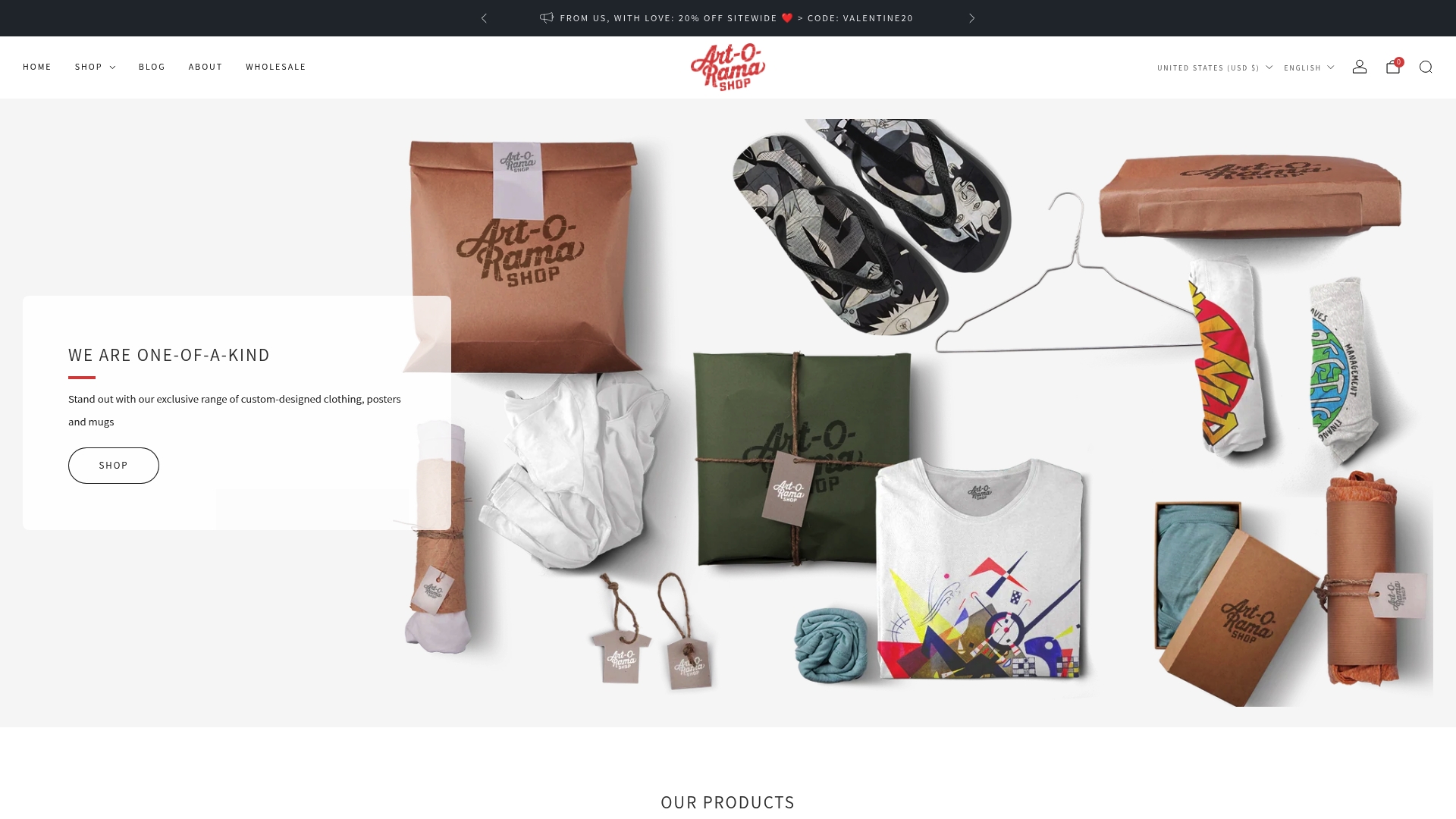
Elevate your wardrobe with art that speaks volumes. Explore our curated selections that celebrate every facet of Pop Art and join a community of art lovers who appreciate graphic-based, culturally rich designs. Start your journey today at Artoramashop.com and wear your passion for Pop Art with confidence. Browse unique artist-inspired merchandise now and bring the vibrancy of contemporary and classic Pop Art into your everyday life.
Frequently Asked Questions
What are the key characteristics of Comic Book Pop Art?
Comic Book Pop Art features bold black outlines and Ben-Day dots to create imagery reminiscent of comic books. To appreciate this style, study classic comic panels and observe how they define characters and scenes using sharp graphic lines.
How does collage technique enhance Pop Art?
Collage in Pop Art involves mixing visual elements from various sources to create new narratives, often commenting on consumer culture. Gather materials like magazine clippings and packaging to experiment with your own mixed media compositions and critique societal norms.
What distinguishes stencil art in Pop Art?
Stencil art in Pop Art is marked by high contrast visuals, reproducibility, and urban cultural commentary. Start practicing your own stencil designs using cardboard or acetate sheets to develop your skills in this dynamic art form.
How does Photorealism relate to everyday imagery in Pop Art?
Photorealism reimagines ordinary scenes with extreme visual precision, often replicating photographs with meticulous detail. Try sketching or painting exact copies of photographs to enhance your visual accuracy and grasp this profound approach to fine art.
What is the significance of repetition in Pop Art?
Repetition in Pop Art challenges notions of originality by creating serial images with slight variations. Choose a common object and reproduce it with different colors or perspectives to explore how repeated imagery influences cultural perceptions.
How has Digital Pop Art evolved?
Digital Pop Art incorporates technologies like 3D printing and virtual reality to create immersive experiences that push artistic boundaries. Explore online digital art platforms and try using AI design tools to see how contemporary artists are innovating within this genre.

