

7 Famous Artists to Know for Art Lovers Everywhere
Jan 25, 2026
Building a personal art collection can feel overwhelming when so many styles and artists compete for your attention. With every movement offering its own philosophy and visual language, it is easy to wonder where to start and which influences truly matter for your taste or values. What if you could learn from the visionaries who shaped modern and contemporary art, finding inspiration that sparks your own creativity and personal style?
This list unlocks insight into how pioneering artists like Pablo Picasso, Henri Matisse, and Banksy dared to break conventions, redefined artistic expression, and made powerful statements through their work. You will discover specific approaches these artists used and learn how their creative decisions continue to shape the art you see and collect today. Get ready to find practical ideas and fresh inspiration for expressing your own passion for art.
Table of Contents
- 1. Pablo Picasso: Revolutionizing Modern Art
- 2. Henri Matisse: Master of Color and Form
- 3. Banksy: The Influence of Street Art
- 4. Frida Kahlo: Expressing Culture and Identity
- 5. Yayoi Kusama: Creating Immersive Experiences
- 6. Jean-Michel Basquiat: Bold Messages in Pop Culture
- 7. Keith Haring: Art for Social Change
Quick Summary
| Takeaway | Explanation |
|---|---|
| 1. Embrace artistic evolution | Picasso’s journey exemplifies the importance of reinventing one’s creative approach beyond established conventions. |
| 2. Prioritize color expression | Matisse’s use of vibrant colors shows the power of aesthetics independent of narrative, enhancing emotional connections. |
| 3. Support social dialogue | Banksy’s work illustrates that art can challenge societal norms while fostering critical conversations within public spaces. |
| 4. Express cultural identity | Kahlo’s artwork highlights the connection between personal experiences and broader cultural narratives, inviting authentic self-expression. |
| 5. Utilize art for activism | Haring’s vibrant imagery demonstrates how art can actively engage communities in important social issues, fueling collective awareness and action. |
1. Pablo Picasso: Revolutionizing Modern Art
Pablo Picasso stands as one of the most transformative figures in modern art history, fundamentally reshaping how we understand visual expression. Over nearly 80 years of prolific creation, this Spanish master demonstrated an extraordinary ability to reinvent himself across multiple artistic movements, mediums, and styles. His journey from traditional academic training to radical artistic innovation shows us that true creativity demands the courage to abandon established conventions and embrace bold experimentation.
What makes Picasso’s impact so profound is his openness to diverse influences and his refusal to be confined by any single artistic approach. Rather than following a linear progression, Picasso drew inspiration from varied sources including Ancient Mediterranean artifacts and African tribal art. Between 1908 and 1914, he collaborated with fellow artist Georges Braque to develop Cubism, a revolutionary movement that shattered traditional perspectives and reassembled them in entirely new ways. This wasn’t simply a stylistic choice but a complete reimagining of how human perception could translate onto canvas. Through this collaborative experimentation and series-based working methods, Picasso demonstrated that true artistic innovation emerges from continuous evolution and cross-pollination of ideas rather than adherence to a single vision.
For art enthusiasts like yourself, Picasso’s career offers a powerful lesson in creative possibility. His mastery extended beyond painting into sculpture, ceramics, and collage, proving that an artist’s impact multiplies when they refuse limitations. The cultural relevance of his work continues today, with Picasso inspired apparel and collectibles remaining deeply sought after because his visual language transcends time. When you wear a piece featuring Picasso’s iconic imagery, you’re not just displaying art but embracing the revolutionary spirit he embodied throughout his career. Understanding Picasso’s willingness to deconstruct and reconstruct artistic language reminds us that breaking conventions isn’t reckless but rather the essence of meaningful creative expression.
Pro tip: Explore how Picasso’s various periods (Blue Period, Rose Period, Cubism) expressed different emotional and philosophical states, then consider which artistic movement resonates most deeply with your personal aesthetic to guide your art collecting choices.
2. Henri Matisse: Master of Color and Form
Henri Matisse transformed modern art by treating color not as a tool to represent reality but as an independent, expressive force in its own right. This French artist challenged centuries of artistic tradition by breaking free from naturalistic color palettes and embracing vibrant, non-naturalistic hues that conveyed emotion and energy directly. As the driving force behind Fauvism, Matisse demonstrated that color could speak louder than representational accuracy, fundamentally shifting how artists and viewers understood the visual language of art itself.
Matisse’s genius lay in his ability to distill complex forms down to their pure essence while orchestrating color to create dynamic visual harmony. Throughout his career spanning multiple decades, he explored painting, sculpture, and eventually paper cut-outs, constantly seeking new ways to unite color and line. His early exposure to textiles and Islamic art profoundly influenced his approach, teaching him how decorative patterns and flat color planes could create powerful visual experiences without relying on three-dimensional illusion. What sets Matisse apart is this relentless pursuit of balance and serenity through simplified shapes and fluid lines. His mastery in distilling forms to their essence allowed him to create works that feel simultaneously joyful and meditative, accessible yet deeply sophisticated.
For art enthusiasts building their personal collections, Matisse’s approach offers a valuable lesson in appreciating pure aesthetics. When you engage with Matisse-inspired apparel or collectibles featuring his iconic cutout designs, you’re experiencing how color and form can communicate feeling without narrative or representation. Consider how his bold color combinations make you feel energized or calm, and notice how simplified shapes draw your eye through the composition. This conscious appreciation helps you develop your own visual literacy and personal style. Matisse proves that art doesn’t need to imitate the real world to feel authentic and meaningful.
Pro tip: Study Matisse’s color combinations and notice which palettes resonate with your emotions, then intentionally seek out apparel and art pieces that match your discovered color preferences to build a cohesive personal aesthetic collection.
3. Banksy: The Influence of Street Art
Banksy represents a seismic shift in how we understand art and its role in society. This British street artist transformed what was once dismissed as vandalism into a powerful vehicle for political commentary and social critique. Working under the protective veil of anonymity, Banksy created iconic imagery that appears on walls, bridges, and public spaces worldwide, reaching audiences far beyond traditional gallery walls. What makes Banksy’s impact so significant is the democratization of visual communication, turning urban spaces into accessible galleries where art speaks directly to everyday people about urgent social issues.
The genius of Banksy’s approach lies in combining creativity with provocation to create works that spark conversation and challenge power structures. Rather than seeking approval from art institutions, his work bypasses gatekeepers entirely, placing provocative imagery directly in public consciousness. Street art has evolved from marginalized expression to mainstream cultural discourse, fundamentally reshaping how we value visual activism. His anonymity actually amplifies his message by keeping focus on the art itself rather than the artist’s identity or celebrity status. This strategy has influenced global protest movements, proving that visual art can mobilize communities and drive real social change. Banksy’s work demonstrates that art doesn’t need expensive materials or institutional backing to be powerful or culturally relevant.
For young art enthusiasts and pop culture collectors, Banksy’s legacy offers an important lesson about art’s authentic purpose. His influence extends beyond street walls into mainstream culture through prints, merchandise, and collectibles that preserve his iconic imagery. When you wear apparel featuring Banksy’s distinctive stenciled style, you’re participating in a larger conversation about social consciousness and artistic rebellion. Consider how his work makes you think differently about public spaces, identity, and the messages surrounding you daily. Banksy proves that the most impactful art often emerges from unexpected places and challenges conventional thinking about where and how art should exist.
Pro tip: Seek out Banksy inspired merchandise that resonates with your personal values and the messages the artwork conveys, as collecting his work becomes a statement about which social issues matter most to you.
4. Frida Kahlo: Expressing Culture and Identity
Frida Kahlo created art that transcends personal experience to become a profound statement about Mexican identity, cultural heritage, and human resilience. Her paintings are not simple autobiographical records but rather complex explorations of how individual pain connects to larger narratives of cultural memory and national identity. Through vivid symbolism and layered meanings, Kahlo wove indigenous Aztec traditions with contemporary concerns, creating a visual language that speaks to anyone who has felt caught between different worlds or struggled to claim their own cultural truth.
What distinguishes Kahlo’s approach is her refusal to separate personal trauma from political consciousness. Her work embodies the indigenista movement of post-revolutionary Mexico, reclaiming indigenous heritage while critiquing imperialist and capitalist forces. She positioned herself deliberately in Tehuana dress and surrounded herself with traditional cultural symbols, transforming her own image into a conversation about race, gender, and national identity. Rather than telling stories in linear, easy to digest ways, Kahlo embraced cyclical and layered meanings that demand viewers sit with discomfort and complexity. Her paintings navigate pain and duality without resolving them neatly, reflecting the messy reality of existing within multiple cultural spaces. This approach proves that art can be both deeply personal and profoundly political simultaneously.
For young art enthusiasts building your collection, Kahlo’s work offers essential lessons about authenticity and cultural expression. When you wear apparel featuring her iconic self portraits or symbolic imagery, you are engaging with art that refuses to minimize or commercialize genuine experience. Consider what aspects of your own identity feel most important to express through the art you surround yourself with. Kahlo demonstrates that the most powerful creative statements emerge when artists stop trying to appeal to everyone and instead honor their own cultural roots, personal struggles, and authentic voice. Her legacy reminds us that art becomes truly revolutionary when it prioritizes truth and identity over acceptance.
Advice for collectors: Seek out Kahlo inspired pieces that resonate with your personal cultural heritage or identity, and learn the symbolic meanings behind her recurring imagery to deepen your appreciation and connection to her work.
5. Yayoi Kusama: Creating Immersive Experiences
Yayoi Kusama transformed what art could be by moving beyond traditional paintings and sculptures to create total sensory environments that completely envelop visitors. Her revolutionary Infinity Mirror Rooms, which she pioneered beginning in the 1960s, use repetition and mirrors to construct spaces where the boundaries between viewer and artwork dissolve entirely. When you step into one of these installations, you stop being a passive observer and become part of the artwork itself, experiencing a sense of infinite expansion that fundamentally shifts your perception of space and presence. This approach redefined what art could accomplish, proving that the most powerful artistic experiences often happen when we surrender to immersion rather than standing apart to analyze.
Kusama’s genius lies in her understanding that immersive environments create transformative affective emotional experiences that conventional art cannot match. By fusing painting, sculpture, and performance into multisensory spaces, she engaged viewers on psychological and emotional levels that transcend intellectual appreciation. The repetitive forms and endless reflections trigger a kind of meditative state where viewers lose themselves in the infinite visual landscape, facilitating what Kusama calls self-obliteration. This is not escapism but rather a profound form of presence, where you become acutely aware of your own body and consciousness within the vastness of space. Her work demonstrates that art’s most important function may be to offer us temporary refuge from the noise and fragmentation of everyday life, allowing us to experience peace and connection.
For art enthusiasts seeking to understand contemporary art’s evolution, Kusama’s work reveals how technology and spatial design can amplify artistic vision. Her influence extends far beyond museum installations into popular culture, merchandise, and collectibles that attempt to capture the essence of her immersive aesthetic. While wearing Kusama-inspired apparel featuring her iconic polka dots and pumpkin motifs brings that sense of infinite repetition into your personal style. Consider how her approach to creating atmosphere through repetition and color could influence your own artistic choices and the spaces you inhabit. Kusama teaches us that art achieves its greatest power when it invites us to experience something entirely new about perception and presence.
Pro tip: Study Kusama’s use of repetitive dots and mirrors in her work, then intentionally collect pieces featuring similar patterns and color schemes to create your own immersive personal environment that evokes contemplation and presence.
6. Jean-Michel Basquiat: Bold Messages in Pop Culture
Jean-Michel Basquiat broke down the barriers between street art and fine art galleries, creating work that spoke directly to urgent social issues while simultaneously becoming a cultural phenomenon. His paintings pulse with energy and bold symbolism that cuts through aesthetic beauty to demand engagement with themes of race, power, and identity. What makes Basquiat revolutionary is his refusal to separate artistic expression from social commentary, proving that the most commercially successful art can also be the most politically uncompromising.
Basquiat’s visual language combines graffiti’s raw urgency with neo-expressionist intensity, drawing heavily from his Afro-Caribbean heritage and his experience navigating New York’s urban landscape. His recurring symbols, particularly crowns and skulls, function as powerful visual statements about power hierarchies and mortality, while references to African history and culture center marginalized narratives within mainstream art discourse. His collaboration with Andy Warhol and other mainstream figures demonstrated that underground aesthetics could command gallery spaces and museum attention without diluting their message or authenticity. Basquiat’s work showed that you could be accessible and challenging simultaneously, commercial and critically serious at the same time. This balance made his art resonate across audiences, from hip-hop musicians to fine art collectors, creating a model for how visual culture could engage with African American history and experience in ways that previous art movements had largely ignored.
For young art enthusiasts building collections that reflect social consciousness, Basquiat’s work offers essential guidance about selecting art with substance and purpose. When you wear apparel featuring his iconic imagery like crowns or text-based compositions, you are making a statement about which voices and perspectives matter to you. Consider which of his symbolic recurring motifs resonate most deeply with your own experiences and values, and seek out pieces that authentically connect to your identity. Basquiat proves that the most meaningful art collections are built not around aesthetic trends but around works that genuinely move you and reflect your commitment to cultural dialogue.
Pro tip: Learn the specific meanings behind Basquiat’s recurring symbols and text references so you can intentionally select pieces that align with messages about identity, power, and history that feel personally relevant to your worldview.
7. Keith Haring: Art for Social Change
Keith Haring transformed art from something confined to galleries into a powerful tool for public activism and community engagement. Emerging in the 1980s, he filled New York City’s subway stations, playgrounds, and walls with vibrant imagery featuring dancing figures and bold lines that radiated energy and joy. What distinguished Haring from other street artists was his deliberate connection between visual expression and urgent social causes, turning public spaces into platforms for conversations about AIDS awareness, apartheid, drug addiction, and LGBTQ+ rights. His art proved that accessibility and activism could be inseparable, that the most important messages deserved to reach people in their daily lives rather than waiting in museums.
Haring’s visual language was deliberately simple and immediately recognizable, using bright colors and flowing lines that communicated across language and cultural barriers. His subway drawings and murals brought social critique into accessible public spaces while championing causes that mainstream institutions largely ignored during the 1980s. By democratizing art through urban placement and approachable imagery, Haring made activism participatory rather than passive. Viewers encountered his work while commuting to work or walking through their neighborhoods, transforming everyday moments into opportunities for reflection and awareness. His bold use of color and movement conveyed hope and resilience even when addressing devastating social issues. Haring’s career demonstrates that art’s most powerful function is sometimes not to beautify but to speak truth and inspire action.
For young art enthusiasts committed to using visual culture for social consciousness, Haring’s legacy provides a clear roadmap. His work shows that meaningful art collections can reflect your values and support causes you care about. When you wear apparel featuring Haring’s iconic dancing figures or heart imagery, you carry forward his belief that art belongs in public consciousness and daily life. Consider which social issues matter most to you and seek out Haring-inspired pieces that connect to your activism and values. His approach reminds us that collecting art need not be passive appreciation but can instead be an active statement about the kind of world you want to create and the conversations you want to encourage.
Pro tip: Research the specific social causes Haring championed and select pieces that align with movements and issues you actively support, transforming your collection into a visible expression of your values.
| Article | Main Insights | Relevance to Art Enthusiasts |
|---|---|---|
| Pablo Picasso: Revolutionizing Modern Art | Picasso redefined visual art by developing Cubism and embracing diverse influences to continuously innovate. | His career showcases the power of experimentation and transcends traditional boundaries in artistic expression. |
| Henri Matisse: Master of Color and Form | Matisse introduced Fauvism by using vibrant, non-naturalistic colors to convey emotion and energy. | Collectors can draw inspiration from his exploration of simplified forms and striking color combinations. |
| Banksy: The Influence of Street Art | Banksy transformed street art into a platform for social commentary, rejecting the gallery system to reach broad audiences. | Collectors can engage with pieces that signify social issues, reflecting the artist's commitment to accessible activism. |
| Frida Kahlo: Expressing Culture and Identity | Kahlo’s art integrates personal narrative with Mexican cultural heritage, exploring identity and resilience. | Her works remind collectors to embrace authenticity in art reflecting personal and cultural truth. |
| Yayoi Kusama: Creating Immersive Experiences | Kusama developed the Infinity Mirror Rooms, fostering transformative emotional experiences through immersive design. | Collectors can use her patterns and designs to create contemplative personal spaces. |
| Jean-Michel Basquiat: Bold Messages in Pop Culture | Basquiat combined graffiti with neo-expressionism to address themes of race, power, and identity. | His style encourages collectors to select art that resonates with cultural narratives and personal values. |
| Keith Haring: Art for Social Change | Haring used symbolic imagery to promote awareness for social issues in public spaces. | Art enthusiasts should focus on pieces that reflect activism and support social movements. |
Elevate Your Style with Iconic Art Inspired Apparel and Collectibles
Discover how the bold creativity of legendary artists like Picasso, Matisse, and Banksy can transform not only galleries but also your everyday wardrobe and living space. The challenge many art lovers face is connecting deeply with their favorite art movements while expressing that connection through unique and meaningful merchandise. Whether it’s Picasso’s revolutionary spirit, Matisse’s vibrant color mastery, or Banksy’s powerful social commentary, your passion for art deserves more than just admiration — it deserves to be worn and shared.
Experience exclusive, high-quality pieces that fuse artistic expression with contemporary fashion. From graphic t-shirts to collectible mugs that echo the powerful messages of Jean-Michel Basquiat and Frida Kahlo, every product at ArtoramaShop.com is designed to honor your commitment to cultural dialogue and personal identity. Don’t just observe great art, live it daily.
Unlock your personal statement and immerse yourself in the art world through stylish merchandise curated especially for art aficionados. Start exploring now at ArtoramaShop.com and bring revolutionary art into your life today.
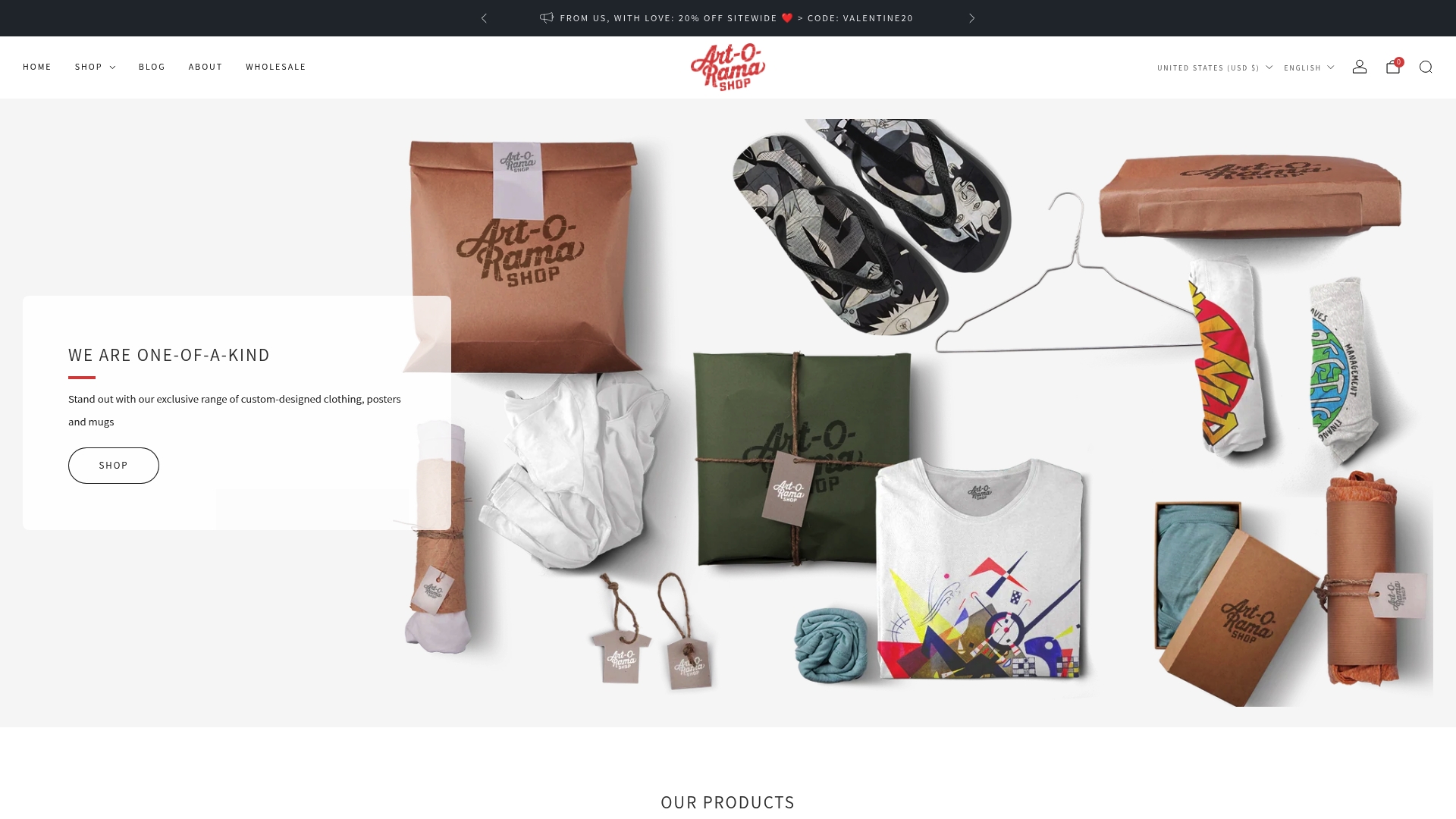
Dive into a collection where world-renowned masterpieces meet modern apparel and collectibles. Visit ArtoramaShop.com to find your perfect art-inspired statement piece and express your unique art lover’s voice with confidence.
Frequently Asked Questions
What is the main impact of Pablo Picasso on modern art?
Pablo Picasso revolutionized modern art by developing new artistic movements like Cubism, which changed how we perceive visual reality. To appreciate his contributions, explore his diverse styles and periods, such as the Blue Period or Cubism, and consider how each reflects different emotional states and artistic experimentation.
How did Henri Matisse shift the perception of color in art?
Henri Matisse treated color as an expressive element, breaking away from traditional naturalistic palettes. Delve into his works to observe how his vibrant color combinations convey emotions and enhance your understanding of visual dynamics in art.
In what ways did Banksy’s art democratize street art?
Banksy’s approach transformed street art into a form of political commentary, making art accessible to everyone by placing it in public spaces. Engage with his pieces in urban settings or through merchandise to see how they challenge social issues and invite dialogue.
How does Frida Kahlo’s art reflect cultural identity?
Frida Kahlo’s work intertwines personal experiences with broader themes of Mexican identity and resilience. When collecting art or choosing apparel inspired by her, consider how her symbolism resonates with your own cultural narratives and heritage.
What makes Yayoi Kusama’s installations unique?
Yayoi Kusama’s installations create immersive experiences that alter viewers’ perceptions of space and self. Visit her installations or seek out her themed products to experience the meditative quality of her art and how it invites deeper reflection on existence.
How can I incorporate art from Keith Haring into my life?
Keith Haring’s art promotes social change and activism through accessible imagery. To embrace his message, consider wearing apparel that features his designs, which allows you to express values and engage with important social issues in daily life.

