

What is art and pop crossover? Explore fusion trends
Mar 12, 2026
The worlds of fine art and popular culture have always influenced each other, but today’s crossover is more visible and commercially powerful than ever. From museum-worthy artists designing luxury handbags to street art icons launching affordable merchandise lines, the boundaries between gallery walls and everyday apparel continue to blur. This fusion democratizes artistic expression while creating new revenue streams for both artists and brands, reshaping how we experience and wear culture.
Table of Contents
- Understanding The Art And Pop Crossover Phenomenon
- Iconic Collaborations That Define The Crossover
- Merchandise And Apparel As Cultural Connectors
- Modern Trends And Challenges In Art-Pop Crossover Collaborations
- Discover Artist-Inspired Apparel And Merchandise At Art-O-Rama Shop
- Frequently Asked Questions
Key takeaways
| Point | Details | |-------|---------|| | Crossover definition | Art and pop crossover blends high art with mass culture, creating accessible products that challenge traditional artistic hierarchies. | | Commercial impact | Artist-brand collaborations generate significant revenue, with some items selling for over $150,000 at auction. | | Merchandise role | Apparel and collectibles serve as cultural bridges, offering fans tangible connections to artistic movements and icons. | | Modern challenges | Contemporary collaborations face legal complexities, authenticity concerns, and ethical scrutiny around consumer engagement models. | | Cultural accessibility | Strategic merchandising makes art available to broader audiences while maintaining creative integrity and brand value. |
Understanding the art and pop crossover phenomenon
Art and pop crossover represents the intentional blending of fine art practices with popular culture elements, particularly visible in fashion, merchandise, and consumer goods. This phenomenon has roots in the Pop Art movement of the 1950s and 1960s, when artists like Andy Warhol and Roy Lichtenstein began appropriating imagery from mass media to challenge the elitism embedded in traditional art institutions. By elevating everyday objects and commercial imagery to gallery status, Pop Art fundamentally questioned what deserved to be called art.
The movement’s impact extends far beyond museum walls. Pop Art democratized artistic appreciation by making recognizable imagery the subject of serious creative work. This shift influenced multiple creative industries:
- Fashion designers incorporated bold graphic elements and commercial aesthetics into clothing lines
- Musicians adopted visual strategies from advertising and comic books for album covers and stage design
- Product designers reimagined everyday items as cultural statements rather than purely functional objects
- Merchandisers recognized that art-inspired products could carry both aesthetic and commercial value
Today’s crossover landscape builds on this foundation. The relationship between art and consumer culture has become bidirectional, with street artists influencing luxury brands and museum exhibitions featuring merchandise alongside original works. Understanding why pop art is still relevant in 2026 reveals how these historical foundations continue shaping contemporary creative commerce.
Iconic collaborations that define the crossover
Recent years have witnessed remarkable partnerships between visual artists and fashion houses, demonstrating the commercial viability and cultural resonance of art-pop crossover. These collaborations transcend simple licensing agreements, instead creating integrated experiences that benefit both parties while offering consumers unique cultural artifacts.
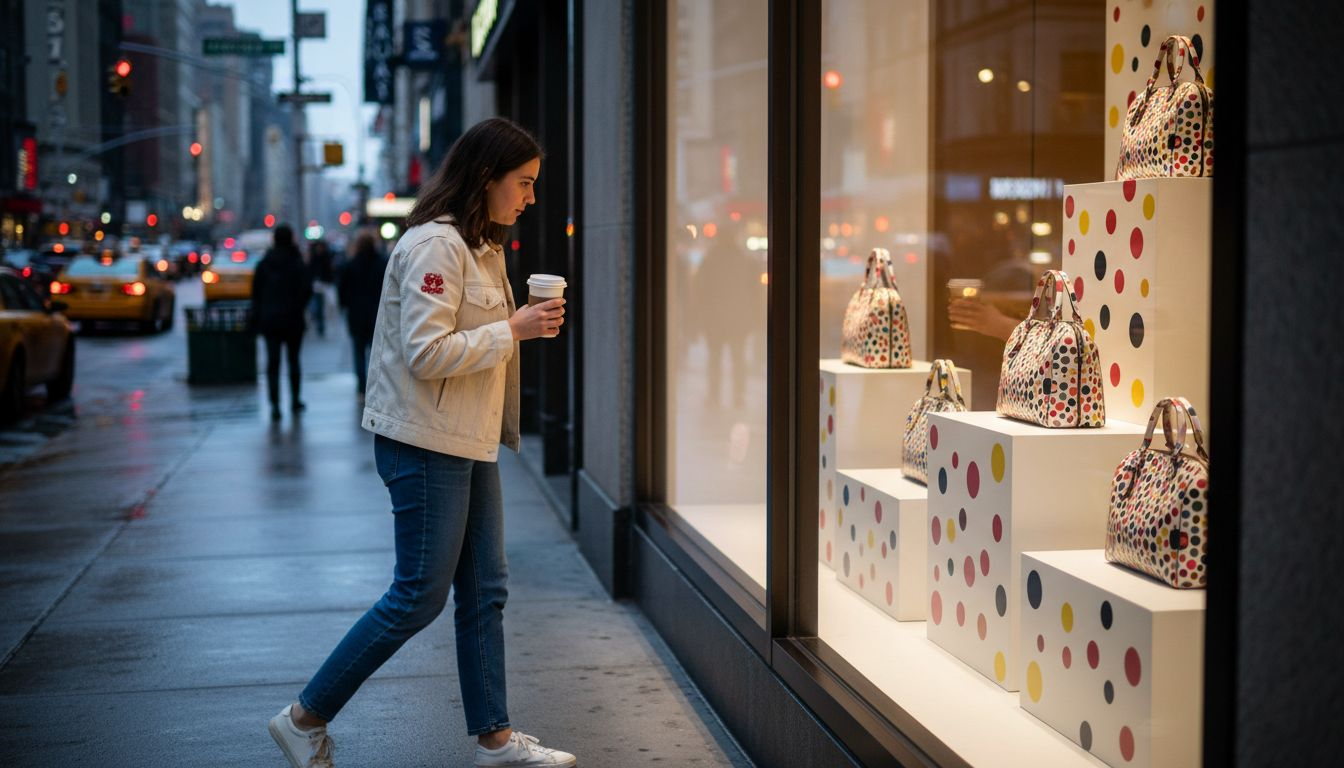
The Yayoi Kusama partnership with Louis Vuitton exemplifies this phenomenon perfectly. The Japanese artist’s signature polka dots and infinity patterns transformed luxury accessories into wearable art pieces. In 2024, a Pumpkin bag from this collaboration sold for $151,200, demonstrating how artist-brand partnerships can create collectible items that appreciate significantly over time.
Similarly, the Damien Hirst collaboration with Alexander McQueen produced silk scarves highly sought after in contemporary markets. These pieces merge Hirst’s provocative visual language with McQueen’s fashion innovation, creating accessories that function as both style statements and conversation pieces.
| Collaboration | Artist Style | Brand Strength | Market Impact | Cultural Value |
|---|---|---|---|---|
| Kusama x Louis Vuitton | Infinity patterns, bold dots | Luxury heritage | Record auction prices | Bridges contemporary art and fashion |
| Hirst x McQueen | Provocative imagery | Avant-garde design | High collector demand | Challenges conventional beauty standards |
| Basquiat x Coach | Neo-expressionist graffiti | Accessible luxury | Mass market appeal | Introduces street art to mainstream fashion |
| KAWS x Dior | Pop iconography | High fashion prestige | Instant sellouts | Validates street art in luxury context |
These partnerships demonstrate several key success factors. First, they align artistic vision with brand identity rather than simply applying logos to products. Second, they create limited availability that drives collector interest. Third, they generate cultural conversation beyond the products themselves.
Pro Tip: Successful collaborations maintain artistic integrity while respecting commercial realities. The best partnerships allow artists creative control over design while brands handle production quality and distribution excellence.
Exploring how pop icons shape fashion trends reveals the broader context for these collaborations, showing how individual partnerships fit within larger cultural movements that influence personal style choices across demographics.
Merchandise and apparel as cultural connectors
Merchandise serves as the most accessible entry point for consumers seeking connections with artistic movements and cultural phenomena. Unlike limited-edition luxury collaborations, thoughtfully designed apparel and collectibles allow broader audiences to participate in cultural conversations while supporting artists financially.
Keith Haring pioneered this approach with his Pop Shop, which opened in 1986 to sell affordable items featuring his artwork. Haring believed art belonged to everyone, not just wealthy collectors or museum visitors. His shop offered t-shirts, buttons, and posters that made his bold visual language available to fans regardless of budget, fundamentally changing how artists could distribute their work.
Modern merchandise strategies build on Haring’s foundation while incorporating contemporary business practices. T-shirts remain profitable merchandise items with margins reaching 70 to 80 percent, making them essential for artists building sustainable creative practices. However, successful merchandising requires more than simply printing images on products.
Effective merchandise strategies include:
- Product selection that matches audience preferences and lifestyle needs
- Quality standards ensuring items function well beyond their visual appeal
- Pricing tiers offering options from accessible to premium collectibles
- Design integration where artwork enhances rather than overwhelms the product
- Distribution channels reaching fans where they already shop and engage
- Limited editions creating urgency while maintaining ongoing availability of core items
The merchandise approach differs fundamentally from high-end collaborations. While luxury partnerships target collectors and fashion enthusiasts, merchandise prioritizes accessibility and daily use. A fan wearing an artist-designed hoodie participates in cultural expression while supporting creative work, creating mutual benefit without requiring significant financial investment.
Pro Tip: Artists launching merchandise should start with one or two product types rather than extensive catalogs. Testing market response with focused offerings allows refinement before expanding, reducing financial risk while building audience relationships.
Understanding how pop culture shapes design expressions provides context for why certain merchandise resonates while other products fail, revealing the cultural dynamics that make apparel meaningful beyond simple decoration.
Modern trends and challenges in art-pop crossover collaborations
Contemporary collaboration frameworks have evolved significantly from early licensing agreements, incorporating sophisticated evaluation criteria and community-focused approaches. PopMart, a leading collectibles brand, exemplifies this evolution through its 2026 partnership framework. The company evaluates 92% of submissions based on visual originality, narrative depth, production feasibility, and audience engagement potential, demonstrating how professional collaborations now require comprehensive creative and business alignment.
| Approach Factor | Traditional Collaborations | Modern Partnerships | Advantage | Challenge |
|---|---|---|---|---|
| Artist selection | Name recognition focused | Community engagement valued | Broader talent pool | Harder to predict success |
| Product development | Top-down design process | Co-creation with fans | Authentic audience connection | Longer development cycles |
| Distribution | Exclusive retail channels | Multi-platform availability | Wider market reach | Brand control complexity |
| Marketing | Traditional advertising | Social media integration | Lower costs, viral potential | Unpredictable outcomes |
| Legal framework | Simple licensing | Comprehensive IP agreements | Clear rights definition | Higher upfront costs |
However, modern collaborations face significant challenges. Legal complexities around intellectual property rights have intensified as digital reproduction makes unauthorized copying easier. Artists must protect their work while brands ensure they have appropriate usage rights across multiple platforms and product categories. Contracts now address not just physical products but digital assets, social media content, and potential metaverse applications.
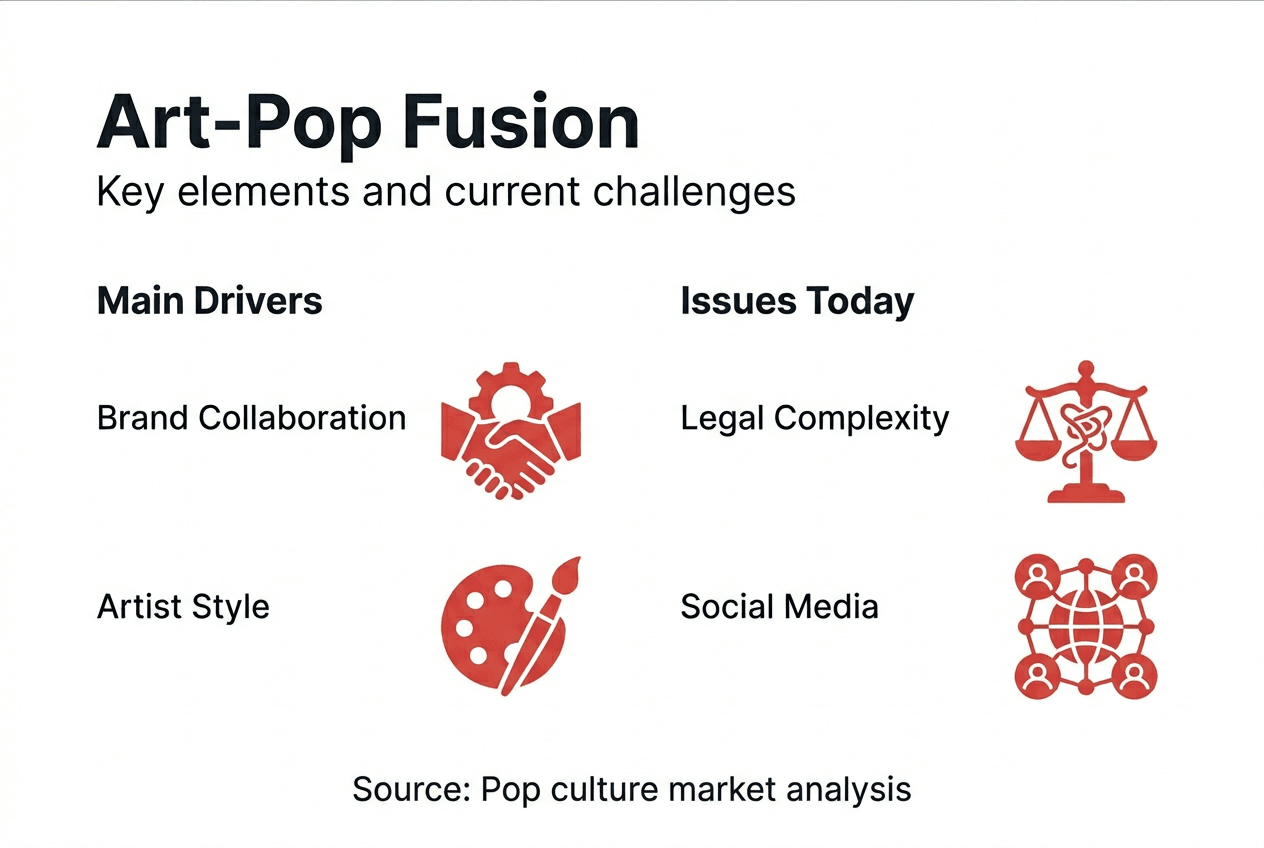
Ethical considerations have also gained prominence. The Labubu phenomenon, while commercially successful, faces regulatory scrutiny around blind box gamification, with critics questioning whether sales models exploit consumer psychology. Brands and artists must balance commercial innovation with responsible practices that respect customer autonomy.
Current collaboration challenges include:
- Maintaining artistic authenticity while meeting commercial production requirements
- Navigating complex international intellectual property regulations across markets
- Balancing limited edition scarcity with accessibility for genuine fans
- Managing social media expectations where every product launch faces immediate public scrutiny
- Addressing sustainability concerns as consumers demand environmentally responsible production
- Preventing counterfeit products that damage both artist reputation and brand value
Digital platforms amplify both opportunities and risks. Social media allows collaborations to reach global audiences instantly, but also exposes missteps to immediate criticism. Successful partnerships in 2026 require cultural sensitivity, transparent communication, and genuine alignment between artistic vision and brand values. Revisiting why pop art remains relevant shows how historical movements inform contemporary collaboration ethics, providing frameworks for navigating these complex dynamics.
Discover artist-inspired apparel and merchandise at Art-O-Rama Shop
Experiencing art and pop crossover doesn’t require gallery admissions or luxury budgets. Art-O-Rama Shop offers curated collections featuring designs from iconic artists like Picasso, Matisse, and Banksy on high-quality apparel and collectibles. Whether you’re drawn to classic Pop Art aesthetics or contemporary street art influences, the platform provides accessible entry points into wearing your cultural interests.
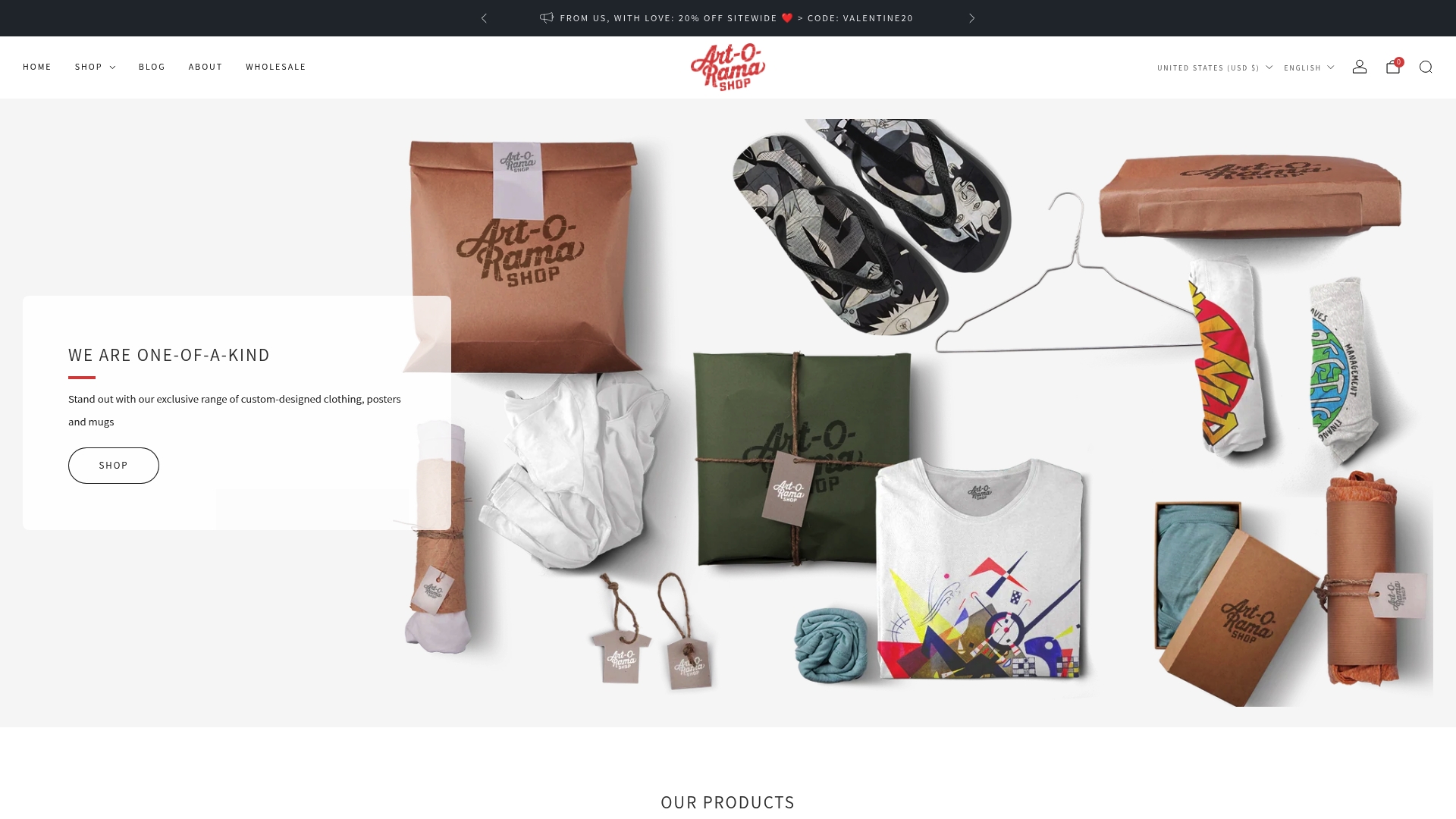
The shop emphasizes exclusivity through limited runs and artist-focused curation rather than mass production. Browse by artistic movement or specific creator to find pieces that resonate with your personal style. From statement t-shirts to collectible posters, each item bridges the gap between artistic appreciation and everyday expression. Fast shipping ensures your new favorite cultural connector arrives quickly, letting you participate in the art and pop crossover movement immediately.
Explore the full collection at Art-O-Rama Shop to discover how artist-inspired merchandise can transform your wardrobe into a wearable gallery. New collaborations and limited editions appear regularly, so checking back frequently ensures you catch special releases before they sell out.
Frequently asked questions
What defines art and pop crossover?
Art and pop crossover describes the intentional fusion of fine art practices with popular culture elements, particularly in commercial products like apparel and merchandise. This phenomenon challenges traditional boundaries between high art and mass consumer goods, making artistic expression accessible through everyday items.
How do artist-brand collaborations work?
Collaborations typically involve licensing agreements where brands gain rights to use artist imagery on products in exchange for royalties or flat fees. Modern partnerships often include creative input from artists throughout design and marketing, ensuring authentic representation rather than simple image application.
Why is merchandise important in art and pop crossover?
Merchandise democratizes access to artistic movements by offering affordable products that connect fans with cultural expressions. Unlike gallery pieces or luxury collaborations, everyday apparel and collectibles allow broad participation in artistic communities while providing artists sustainable income streams.
What should artists consider before collaborating with brands?
Artists must evaluate brand alignment with their creative vision, negotiate clear intellectual property rights, understand production quality standards, and ensure contract terms protect long-term interests. Successful collaborations balance commercial viability with artistic integrity, maintaining authenticity while reaching new audiences.
How does consumer culture influence crossover success?
Consumer demand for authentic cultural connections drives successful crossovers, with audiences seeking products that express personal identity and values. Social media amplifies this dynamic, making collaborations visible globally while subjecting them to immediate public feedback that can determine commercial outcomes.

