

What is the art fashion niche? A 2026 guide
Mar 07, 2026
Many assume art fashion equals generic graphic tees found in mall stores. That’s a misconception that misses the authentic nature of this exclusive niche. Art fashion represents a distinct fusion where contemporary art meets wearable apparel, creating collectible pieces that carry cultural weight and artistic integrity. This guide reveals how to identify genuine art fashion, understand its collector value, and navigate emerging 2026 trends in this dynamic space.
Table of Contents
- Understanding The Art Fashion Niche
- Why Art Fashion Matters To Collectors And Enthusiasts
- Common Misconceptions About The Art Fashion Niche
- Emerging Trends In Art Fashion For 2026
- Quality And Authenticity In Art-Inspired Apparel
- Explore Unique Art Fashion Collections At Art-O-Rama
- FAQ
Key takeaways
| Point | Details |
|---|---|
| Art fashion merges art with exclusive apparel | Contemporary art aesthetics combine with wearable clothing in limited runs of 100 to 1000 pieces. |
| Collectors value cultural storytelling | Emotional connections and authentic narratives embedded in artwork drive collector interest and market demand. |
| Authenticity requires careful evaluation | Artist collaborations, print quality, edition size, and material excellence separate genuine pieces from mass production. |
| 2026 trends favor bold maximalism | Art-inspired graphic prints grew 30% since 2025, emphasizing vibrant colors and sculptural designs. |
| Investment potential demands scrutiny | Edition size, artist credentials, and craftsmanship determine long-term collector value and appreciation. |
Understanding the art fashion niche
The art fashion niche represents far more than clothing with pretty pictures. It’s a specialized market where limited edition runs of 100 to 1000 pieces create genuine scarcity and collector value.
This niche operates on three distinct conceptual layers that separate it from mainstream fashion. First, authentic art inspiration drives design, often involving direct collaboration with contemporary artists or licensed use of recognized artworks. Second, fashion application transforms that artistic vision into wearable pieces using premium materials and advanced printing techniques. Third, collector value emerges from the combination of exclusivity, cultural significance, and craftsmanship quality.
The distinction from mass-produced apparel becomes clear when examining production methods. While fast fashion churns out millions of identical items, art fashion brands carefully control edition sizes and emphasize quality over quantity. Each piece functions simultaneously as clothing and as a tangible connection to artistic movements and cultural narratives.
Key characteristics that define authentic art fashion include:
- Limited production runs maintaining exclusivity and scarcity
- Direct artist collaboration or properly licensed artwork usage
- Premium printing methods like high-resolution direct-to-garment or screen printing
- Superior fabric quality ensuring durability and comfort
- Cultural storytelling embedded in design choices and artistic selection
- Collectible documentation such as edition numbers or artist signatures
Understanding these foundational elements helps enthusiasts recognize genuine art-inspired fashion and avoid confusion with superficially similar mass-market products. The niche thrives because it satisfies dual desires: wearing fashionable clothing and owning culturally meaningful art.
Why art fashion matters to collectors and enthusiasts
Collectors gravitate toward art fashion because these pieces offer emotional resonance that standard clothing cannot match. Each garment carries a narrative, whether celebrating a specific artistic movement, honoring a renowned creator, or making a cultural statement about contemporary society.
The market reflects this growing appreciation. Small-scale art collectibles, including art fashion items, saw 66% sales growth, indicating robust collector demand and market expansion. This surge demonstrates that consumers increasingly value pieces that blend aesthetic appeal with cultural significance.
Personal identity expression drives much of this interest. Art fashion allows enthusiasts to showcase their appreciation for specific artists, movements, or cultural moments through daily wear. A hoodie featuring Banksy’s work or a t-shirt celebrating Matisse’s color theory becomes a conversation starter and a personal statement about values and tastes.
The storytelling dimension cannot be overstated. Consider this perspective from the collector community:
“Wearing art fashion isn’t about following trends. It’s about carrying a piece of cultural history and artistic vision that resonates with your personal journey. Each piece tells a story you choose to share with the world.”
Cultural connection factors that attract collectors:
- Authentic representation of artistic movements and philosophies
- Tangible connection to admired artists and their creative vision
- Opportunity to support contemporary creators through licensed collaborations
- Wearable conversation pieces that spark meaningful discussions
- Investment potential as limited editions appreciate over time
This emotional and cultural depth separates art fashion from purely functional clothing. Enthusiasts don’t simply purchase a garment; they acquire a wearable artifact that reflects their identity and values. The rising demand for culturally resonant artwork on apparel confirms that consumers seek meaning alongside style in their fashion choices.
Common misconceptions about the art fashion niche
The biggest misconception equates art fashion with any clothing featuring graphics or prints. This oversimplification ignores fundamental quality and authenticity differences that define the niche.
Genuine art fashion emphasizes exclusivity through limited editions capped below 1000 units and premium printing techniques. Mass-produced graphic tees prioritize volume and cost reduction, often using inferior materials and printing methods that degrade quickly.
Here’s how authentic art fashion differs from mass-market alternatives:
| Art Fashion | Mass-Produced Graphic Tees |
|---|---|
| Limited editions of 100 to 1000 pieces | Unlimited production runs of thousands or millions |
| Artist collaboration or proper licensing | Generic designs or unauthorized reproduction |
| High-resolution direct-to-garment or screen printing | Low-cost heat transfer or basic screen printing |
| Premium fabrics designed for longevity | Budget materials prone to rapid wear |
| Edition numbers or authenticity documentation | No verification or tracking |
| Cultural storytelling and artistic integrity | Trend-chasing without deeper meaning |
Another common misunderstanding assumes all art-themed clothing carries collector value. Reality proves more selective. Only pieces meeting specific quality standards, featuring legitimate artist involvement, and maintaining true scarcity appreciate over time.
The role of craftsmanship gets frequently underestimated. Premium printing techniques ensure durability through 50+ washes without significant degradation, while mass-market prints often fade or crack within a dozen wash cycles.
Key authentication factors collectors should verify:
- Artist name and collaboration details clearly documented
- Edition size explicitly stated and verifiable
- Print quality showing sharp detail and color accuracy
- Fabric weight and material composition matching premium standards
- Proper licensing agreements for recognized artworks
Pro Tip: Always request detailed product information including edition size, artist credentials, and printing method before purchasing. Legitimate art fashion retailers proudly provide this documentation, while mass producers avoid specifics.
Understanding these distinctions protects enthusiasts from paying premium prices for ordinary merchandise. The art-inspired fashion niche rewards informed buyers who recognize authentic quality and cultural value.
Emerging trends in art fashion for 2026
The 2026 art fashion landscape embraces bold maximalism, reversing years of minimalist dominance. Art-inspired graphic prints increased 30% compared to 2025, signaling a decisive shift toward vibrant, visually striking designs.
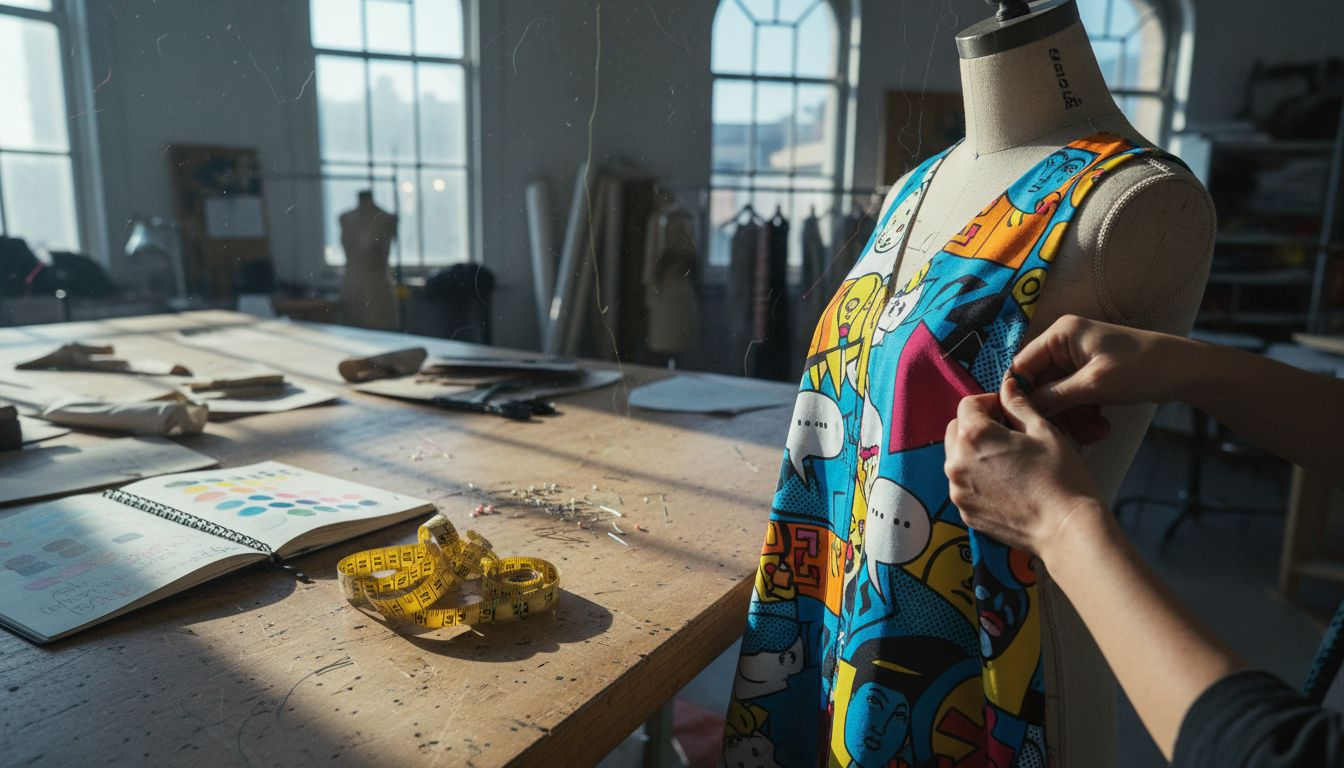
This maximalist movement draws heavily from pop art, abstract expressionism, and contemporary street art aesthetics. Bright colors, oversized graphics, and layered artistic elements dominate new collections. Designers increasingly collaborate with living artists to create exclusive pieces that blur boundaries between gallery art and wearable fashion.
Sculptural silhouettes complement graphic intensity, with structured designs adding three-dimensional elements to traditionally flat apparel. This combination creates garments that function as walking art installations, demanding attention and sparking conversation.
Market Growth Alert: The art fashion niche experienced unprecedented expansion in 2025-2026, with small-scale art collectibles including apparel growing 66% year over year. This surge reflects broader cultural appetite for meaningful, authentic artistic expression in everyday items.
Craftsmanship authenticity drives another major trend. Consumers increasingly demand transparency about production methods, artist compensation, and material sourcing. Brands highlighting artisanal techniques and ethical production practices gain market advantage over competitors prioritizing speed and cost reduction.
Key 2026 trend directions shaping the niche:
- Vibrant color palettes inspired by pop art and digital art movements
- Oversized graphic prints featuring contemporary artist collaborations
- Mixed media designs combining traditional and digital artistic techniques
- Sustainable materials paired with archival-quality printing methods
- Interactive elements like QR codes linking to artist stories and process videos
- Gender-neutral designs emphasizing artistic expression over conventional fashion categories
Limited edition drops modeled after sneaker culture create urgency and collector excitement. Brands announce small production runs with specific release dates, generating anticipation and rapid sellouts. This approach reinforces exclusivity while building engaged communities around art-inspired fashion trends.
The return to handcrafted quality represents a deliberate rejection of fast fashion’s disposable mentality. Collectors seek pieces they’ll treasure for years, viewing purchases as long-term investments in wearable art rather than temporary trend participation.
Quality and authenticity in art-inspired apparel
Evaluating art fashion authenticity requires systematic assessment across multiple quality dimensions. The difference between genuine collector pieces and superficial imitations often comes down to verifiable details that informed buyers learn to recognize.
Artist collaboration represents the foundation of authentic art fashion. Legitimate pieces clearly identify the artist, describe their involvement in the design process, and document proper licensing agreements for existing artworks. Materials engineered to last 50+ washes without print degradation separate premium pieces from budget alternatives.
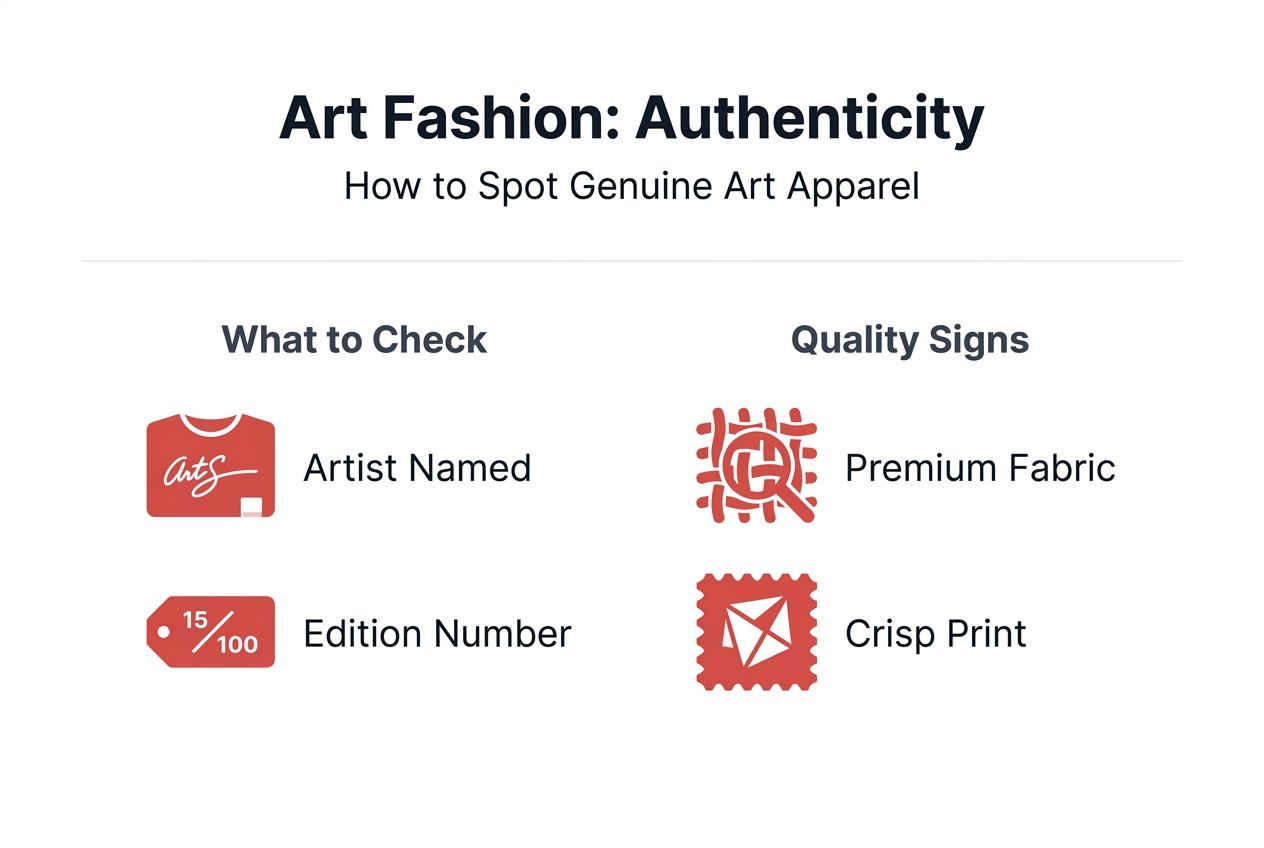
Print quality assessment starts with close visual inspection. High-resolution direct-to-garment printing produces sharp edges, accurate color reproduction, and proper detail rendering. Inferior methods show pixelation, color shifting, or muddy details even before the first wash.
Authenticity verification checklist for art fashion buyers:
- Confirm artist name, background, and collaboration details through official documentation
- Verify edition size and your piece’s specific number within the limited run
- Examine print quality under good lighting for sharp details and color accuracy
- Check fabric weight and composition against stated specifications
- Request care instructions demonstrating print durability expectations
- Review licensing agreements for recognized artworks to ensure legal usage
- Research the brand’s reputation within collector communities and art fashion forums
- Compare pricing against similar pieces to identify suspiciously low offers
Material quality directly impacts both wearability and longevity. Premium cotton blends, organic fabrics, and specialty materials maintain structure and comfort through years of regular use. Budget materials pill, stretch, or thin quickly, diminishing the garment’s appearance and collector value.
Limited edition status requires verification beyond simple claims. Authentic pieces include edition numbering, certificates of authenticity, or other documentation proving scarcity. Mass producers sometimes falsely claim “limited” status without actual production controls.
Pro Tip: Before purchasing any art fashion piece, research the featured artist’s background and verify their involvement with the specific design. Contact the brand directly with questions about printing methods, fabric sources, and edition tracking. Legitimate retailers welcome these inquiries and provide detailed answers.
The investment perspective matters for serious collectors. Art fashion pieces meeting high authenticity and quality standards often appreciate as editions sell out and artist recognition grows. However, this appreciation depends entirely on verifiable quality factors rather than marketing claims. Choosing art apparel based on these criteria protects your investment and ensures genuine satisfaction.
Explore unique art fashion collections at Art-O-Rama
Ready to discover authentic art fashion that meets the quality standards discussed throughout this guide? Art-O-Rama curates exclusive collections featuring renowned artists like Picasso, Matisse, and Banksy transformed into premium wearable art.
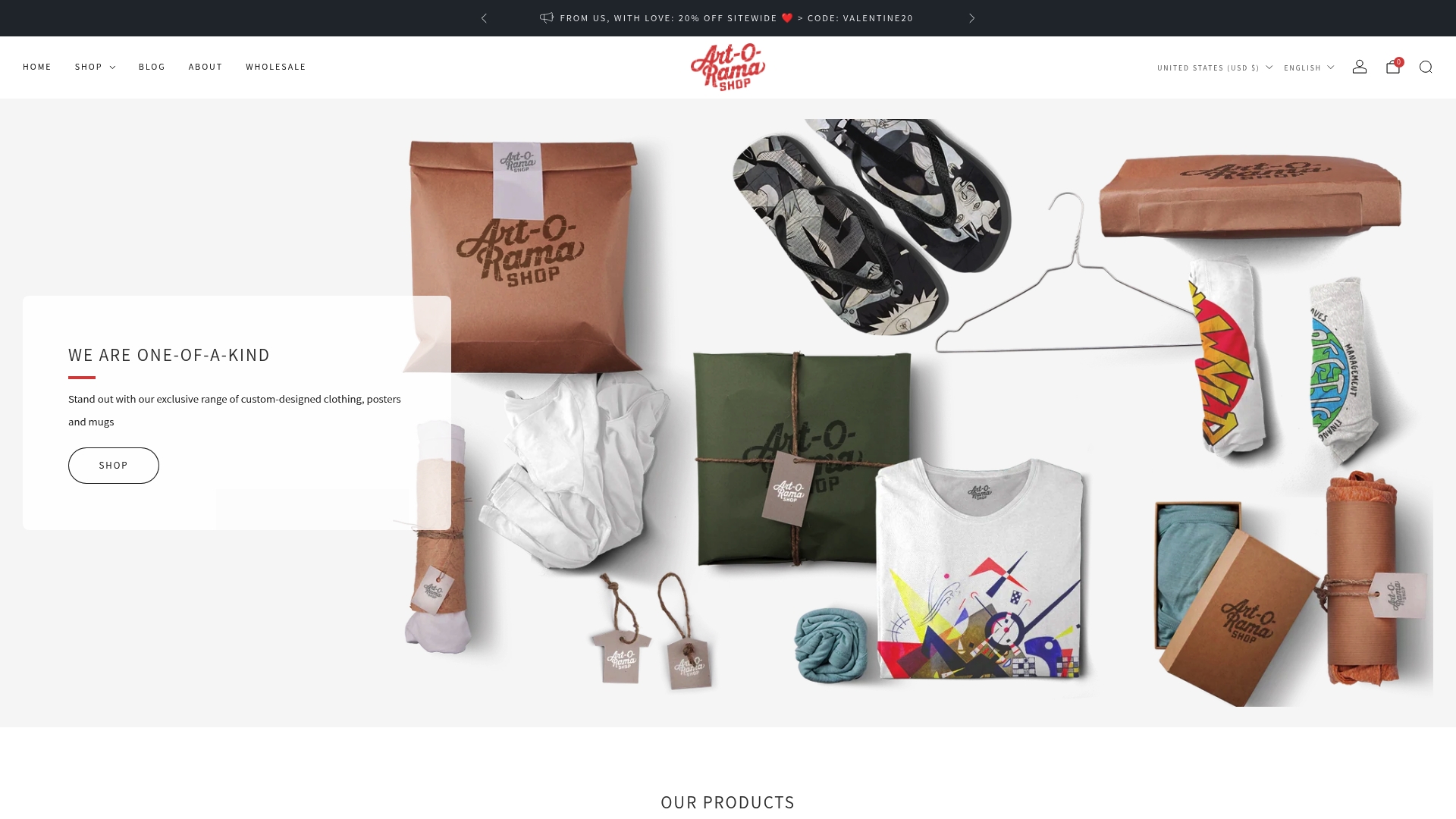
Each piece in our collection emphasizes artist collaboration, limited production runs, and superior craftsmanship. We specialize in high-resolution printing on premium materials, ensuring your investment maintains its visual impact and structural integrity through years of wear.
Our carefully selected inventory includes t-shirts, hoodies, long sleeves, and accessories that blend contemporary art with everyday fashion. Browse thematic collections organized by artist and art movement, making it easy to find pieces that resonate with your personal aesthetic and cultural interests. Explore Art-O-Rama’s art fashion collections to discover wearable art that tells your story.
FAQ
What distinguishes art fashion from regular fashion merchandise?
Art fashion emphasizes limited editions, artist collaborations, and cultural storytelling through premium materials and printing techniques. Regular merchandise prioritizes mass production, cost reduction, and trend-following without deeper artistic meaning or scarcity controls.
How can I verify the authenticity of an art fashion piece?
Check for documented artist involvement, specific edition numbers, high-resolution print quality, and premium fabric composition. Request certificates of authenticity and research the brand’s reputation within collector communities before purchasing.
Are art fashion pieces a good investment for collectors?
Genuine art fashion pieces with verified limited editions, recognized artist collaborations, and superior quality often appreciate as editions sell out. However, investment potential depends entirely on authenticity factors rather than marketing claims, so careful evaluation remains essential.
What should I look for in limited edition art apparel?
Prioritize clear edition numbering, documented artist credentials, archival-quality printing methods, and premium fabric materials. Verify that the brand maintains actual production controls rather than simply claiming “limited” status without proof.
How do current trends impact art fashion purchases?
The 2026 shift toward maximalism and bold graphics increases demand for vibrant, art-inspired pieces, potentially affecting availability and pricing. However, choosing art apparel based on personal aesthetic and quality standards rather than temporary trends ensures long-term satisfaction and investment value.

