

How to collect art-themed merchandise in 2026
Mar 19, 2026
Finding art-themed merchandise that genuinely reflects your passion can feel overwhelming. With countless online stores and independent sellers, how do you build a collection that truly expresses your style while connecting to the art and pop culture you love? This comprehensive guide walks you through every step of collecting unique, artist-inspired merchandise. You’ll learn how to prepare effectively, source authentic pieces, organize your collection, and avoid common pitfalls that trip up new collectors. Whether you’re drawn to Picasso’s cubism or Banksy’s street art, you’ll discover practical strategies to curate a meaningful collection that showcases your artistic identity.
Table of Contents
- Preparing To Collect Art-Themed Merchandise
- Where And How To Find Unique Art Merchandise
- Collecting And Organizing Your Art-Themed Merchandise
- Common Pitfalls And How To Avoid Mistakes In Collecting Art Merchandise
- Explore Curated Art-Themed Merchandise At Art-O-Rama Shop
- Frequently Asked Questions About Collecting Art-Themed Merchandise
Key takeaways
| Point | Details |
|---|---|
| Define your focus | Identify specific art styles, artists, and merchandise types before spending money |
| Source strategically | Explore online shops, galleries, artist platforms, and art events for authentic finds |
| Organize thoughtfully | Catalog purchases and rotate displays to maximize enjoyment and preservation |
| Verify authenticity | Always check artist permissions and seller credentials to avoid counterfeits |
Preparing to collect art-themed merchandise
Successful collecting starts with clarity about what you want. Ask yourself which art movements speak to you: modern abstract, impressionism, pop art, or street art. Maybe you’re drawn to specific artists like Matisse, Picasso, or contemporary creators making waves on social media. Write down three to five artists or styles that genuinely excite you. This focus prevents impulse purchases and helps you build a cohesive collection rather than a random assortment.
Set a realistic budget before browsing. Art-themed products are trending for unique style in 2026, which means prices vary widely. Decide how much you can comfortably spend monthly or quarterly. Consider different merchandise categories:
- Apparel: t-shirts, hoodies, long sleeves, flip flops
- Wall art: posters, prints, canvas reproductions
- Accessories: tote bags, phone cases, jewelry
- Collectibles: mugs, pins, limited edition items
Authenticity matters more than you might think. Counterfeit merchandise floods the market, often featuring stolen artwork without artist permission. Research how legitimate sellers verify licensing. Look for clear statements about artist collaboration or official partnerships. Reputable retailers display copyright information and artist credits prominently.
Understand where quality merchandise lives today. Specialized online boutiques curate collections from multiple artists. Museum shops offer officially licensed reproductions. Pop culture conventions and art fairs showcase exclusive, limited-run pieces. Local galleries sometimes partner with artists to create wearable art. Each source offers different advantages in terms of authenticity, price, and uniqueness.
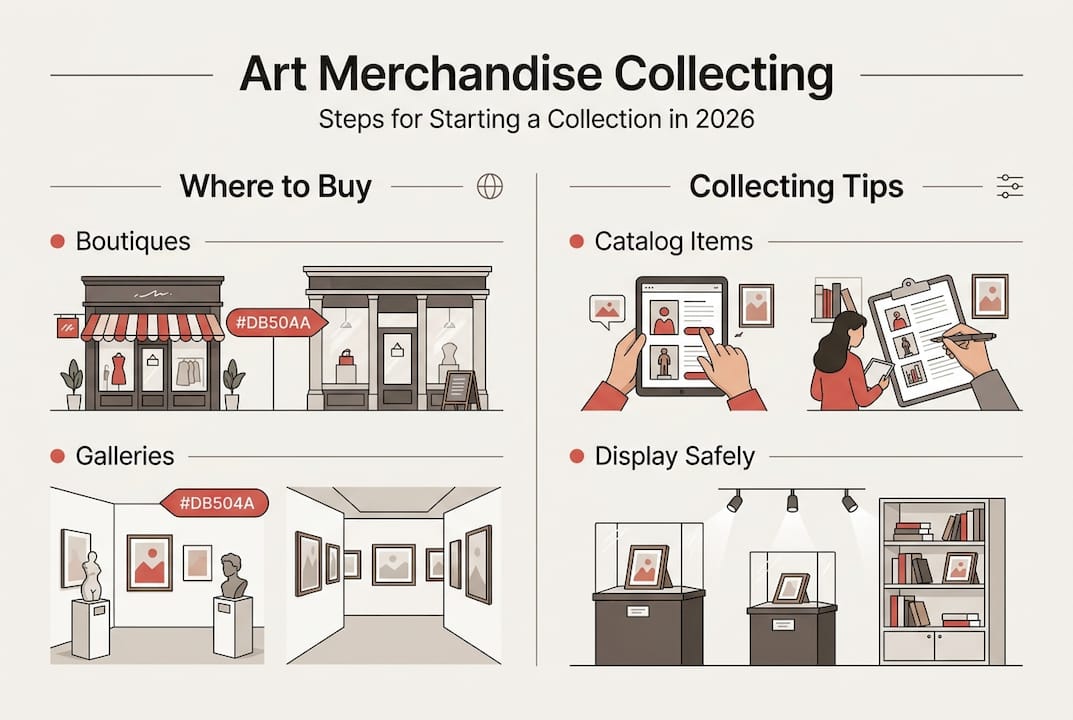
Pro Tip: Start your collection with one or two affordable pieces like artist-inspired t-shirts or small prints. This lets you test your commitment and refine your taste before investing in expensive collectibles or original artwork.
Where and how to find unique art merchandise
Online platforms offer the widest selection for collectors. Specialized shops like Art-O-Rama Shop curate artist-approved apparel and accessories, eliminating guesswork about authenticity. Browse their collections by artist or art movement to find pieces matching your aesthetic. Check product descriptions for details about printing quality, materials, and artist partnerships. High-resolution images and detailed specifications indicate professional operations.
Local galleries and museum shops provide tactile shopping experiences. You can examine fabric quality, color accuracy, and construction before buying. Many museums collaborate with contemporary artists to create exclusive merchandise tied to exhibitions. Gallery openings and special events often feature artist meet-and-greets where you can purchase signed pieces or learn about upcoming releases.
Art fairs and pop culture conventions offer treasure troves for collectors. Artists sell directly at booths, often offering convention-exclusive designs or early access to new collections. You’ll find unique items unavailable elsewhere and can verify authenticity by meeting creators face-to-face. Bring cash for better deals and a list of artists you want to find.
Independent artists increasingly sell through personal websites and platforms like Etsy or Society6. Modern art merchandise involves trends and sourcing from multiple retail channels, making direct artist connections valuable. Follow your favorite creators on Instagram or TikTok for announcements about limited drops or custom commission opportunities.
Follow these steps to verify authenticity:
- Check for artist attribution and copyright notices on product pages
- Research the seller’s reputation through reviews and social media presence
- Look for official licensing statements or partnership announcements
- Compare prices across multiple sources to identify suspiciously low offers
- Contact the artist directly through social media if you have doubts
Watch for red flags like blurry product images, generic descriptions, or sellers unwilling to provide artist information. Legitimate retailers proudly showcase their artist relationships and licensing agreements.
Pro Tip: Join online communities and forums dedicated to art collecting. Members share discoveries about new artists, warn about counterfeit sellers, and sometimes organize group buys for limited edition releases at discounted rates.
Collecting and organizing your art-themed merchandise
Building a meaningful collection requires more than buying what catches your eye. Create a simple catalog using a spreadsheet or note-taking app. Record each item’s artist, purchase date, price, and personal significance. Maybe that Banksy-inspired hoodie reminds you of a transformative gallery visit, or that Matisse print connects to a college art history class. These stories add emotional value beyond monetary worth.
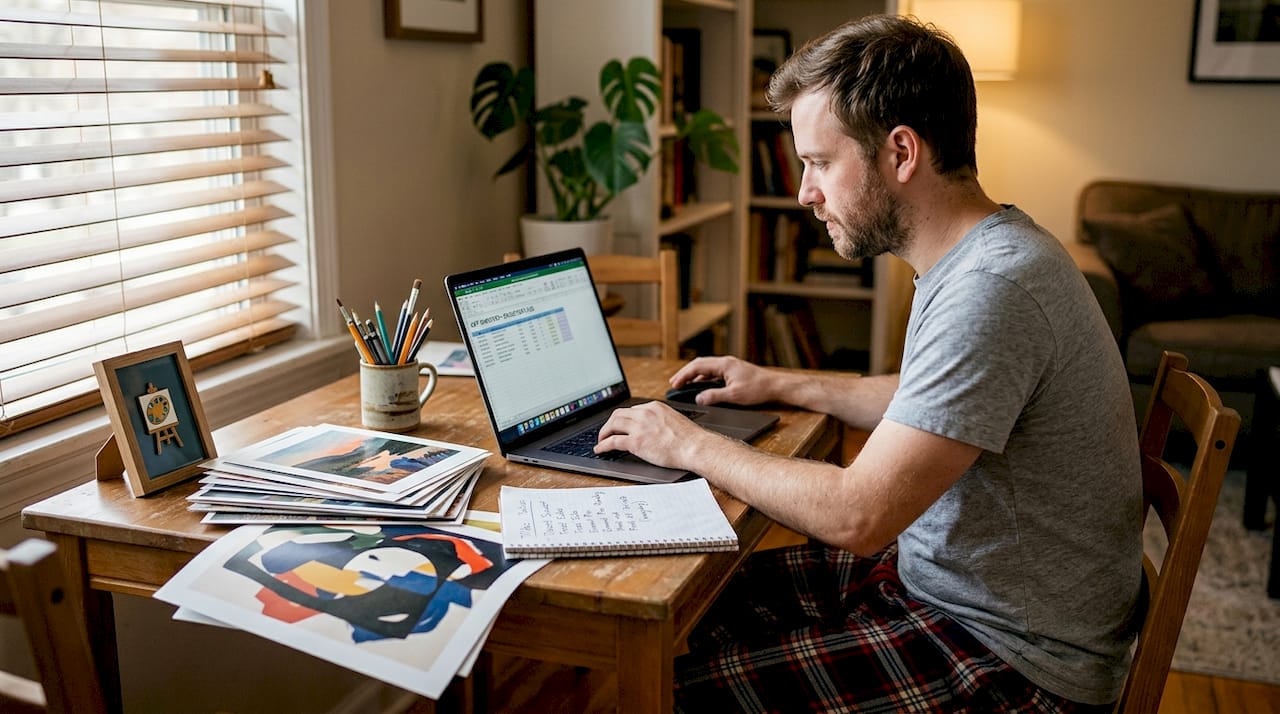
Organize your collection using a system that makes sense for your space and lifestyle. Some collectors group by artist, creating mini-exhibitions of single creator’s work. Others organize by art movement, color palette, or merchandise type. Choose a method that helps you enjoy and access your collection easily.
Effective display enhances the impact of art apparel and merchandise for collectors who want to showcase their taste. Consider these popular display approaches:
| Display Method | Best For | Key Benefits |
|---|---|---|
| Gallery wall | Prints and posters | Creates visual impact, easy to rearrange |
| Open wardrobe | Apparel collection | Shows off designs, keeps items accessible |
| Floating shelves | Mugs and collectibles | Maximizes vertical space, prevents damage |
| Rotating frames | Limited wall space | Allows collection growth without crowding |
Maintain your merchandise properly to preserve quality and value:
- Wash apparel inside out in cold water to protect prints
- Store items away from direct sunlight to prevent fading
- Use acid-free materials for framing prints and posters
- Keep collectibles in climate-controlled spaces to avoid damage
- Document condition changes with photos for insurance purposes
Rotate your displays seasonally or whenever you need fresh inspiration. Pull out summer-themed pieces when weather warms up, or showcase darker, moodier art during fall and winter. This practice keeps your collection feeling dynamic and prevents favorite pieces from becoming invisible through over-familiarity.
Pro Tip: Photograph your displayed collection and share on social media using relevant hashtags. You’ll connect with other collectors, discover new artists, and sometimes catch the attention of creators who appreciate seeing their work enjoyed and showcased thoughtfully.
Common pitfalls and how to avoid mistakes in collecting art merchandise
New collectors frequently stumble into expensive mistakes. The most damaging error involves purchasing counterfeit merchandise featuring stolen artwork. These items hurt artists financially and legally expose you to potential copyright issues. Always verify that sellers have proper licensing or artist permission before buying.
Overpaying happens when collectors lack market knowledge. That limited edition print might seem reasonably priced at $200 until you discover similar pieces sell for $75 elsewhere. Research typical price ranges for different merchandise types. Compare costs across multiple retailers before committing to purchases, especially for expensive items.
Ignoring artist copyrights creates ethical and legal problems. Some sellers produce merchandise using artwork scraped from internet searches without permission. Supporting these operations undermines artists’ livelihoods and potentially makes you complicit in copyright infringement.
Protect yourself with these validation steps:
- Request proof of licensing or artist collaboration from sellers
- Search for the artist’s official website to verify authorized retailers
- Check if the seller appears on the artist’s approved vendor list
- Look for watermarks or signatures indicating official merchandise
- Trust your instincts when deals seem too good to be true
Always verify artist permissions before purchasing merchandise. Authentic, licensed products protect artists’ rights and ensure your collection maintains value and integrity over time.
Impulse buying destroys collection coherence and budgets. That quirky mug featuring an artist you barely know might seem fun today but feel like clutter tomorrow. Give yourself a 48-hour waiting period before purchasing non-essential items. If you still want the piece after two days, it probably deserves a spot in your collection.
Neglecting proper storage and display damages merchandise value. Sunlight fades prints, improper washing ruins apparel graphics, and careless handling breaks collectibles. Treat your collection as an investment worth protecting through proper care and maintenance.
Explore curated art-themed merchandise at Art-O-Rama Shop
Ready to start or expand your collection with confidence? Art-O-Rama Shop offers carefully curated, artist-approved merchandise that combines authenticity with contemporary style. Browse collections featuring iconic artists like Picasso, Matisse, and Banksy alongside emerging creators making waves in pop culture.
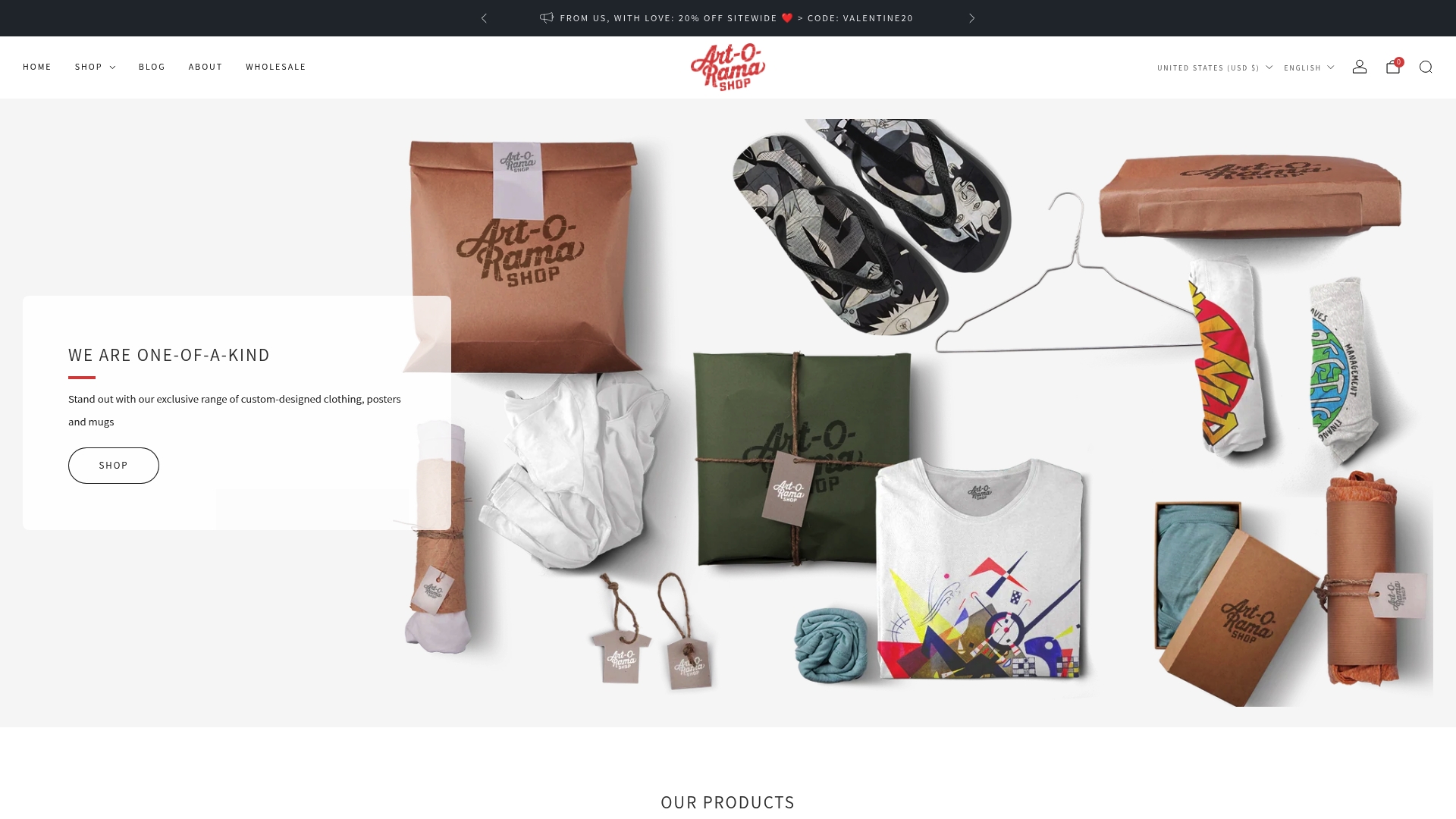
Every piece showcases high-resolution printing on quality materials, ensuring your art-themed merchandise collection looks stunning and lasts for years. Whether you’re searching for statement apparel, eye-catching posters, or unique collectibles, you’ll find options that genuinely reflect your artistic passion. Explore thematic collections organized by artist and style to discover pieces that speak to your individual aesthetic. Fast shipping means you’ll enjoy your new treasures quickly, and the focus on exclusivity ensures your collection stands out from mass-market alternatives.
Frequently asked questions about collecting art-themed merchandise
What should I look for to confirm merchandise authenticity?
Check for clear artist attribution, copyright notices, and licensing statements on product pages. Contact the artist through official channels to verify the seller appears on their approved retailer list. Legitimate sellers proudly display artist partnerships and provide detailed information about licensing agreements.
How can I start collecting with a small budget?
Begin with affordable items like artist-inspired t-shirts, small prints, or accessories priced under $30. Focus on one or two favorite artists rather than buying randomly across multiple creators. Watch for seasonal sales and sign up for retailer newsletters announcing discounts on quality merchandise.
Are there risks buying from independent artists online?
Buying directly from artists typically carries less risk than third-party sellers since you’re supporting creators directly. Check their social media presence, read customer reviews, and start with smaller purchases to test quality. Most independent artists value their reputation and deliver excellent products and service.
How do I best store and preserve my art merchandise?
Store apparel folded or hung away from direct sunlight, washing items inside out in cold water. Frame prints using acid-free materials and UV-protective glass. Keep collectibles in climate-controlled spaces with stable temperature and humidity. Document your collection with photos for insurance purposes.
Can art merchandise appreciate in value over time?
Limited edition pieces from renowned or emerging artists can increase in value, especially if the artist gains prominence. Signed items, convention exclusives, and discontinued designs often appreciate most. However, collect primarily for personal enjoyment rather than investment, as predicting future value remains difficult.
How many pieces should I aim to collect?
Collection size depends entirely on your space, budget, and interests. Some collectors focus on depth, acquiring many pieces from one artist, while others prefer breadth across multiple creators. Quality and personal connection matter more than quantity, so collect what genuinely resonates with your artistic taste.

