

How pop icons shape fashion trends and personal style
Mar 06, 2026
Pop icons wield extraordinary power over global fashion markets, with 60% of consumers influenced by celebrity endorsements when making style purchases in 2026. Beyond driving sales, these cultural figures transform clothing into statements of identity and social values. This guide reveals how pop icons shape fashion trends, the mechanisms amplifying their influence, and practical strategies to leverage this knowledge for confident, authentic personal style choices.
Table of Contents
- Introduction To Pop Icons And Fashion Influence
- Historical Evolution Of Pop Icons’ Fashion Influence
- Mechanisms Of Influence: Media, Social Platforms, And Celebrity Endorsements
- Intersection Of Cultural Identity And Pop Icon Fashion
- Common Misconceptions About Pop Icon Influence On Fashion
- Comparison And Frameworks For Analyzing Pop Icon Fashion Impact
- Practical Applications: Leveraging Pop Icon Influence In Personal Style
- Explore Pop Culture-Inspired Fashion At Art-O-Rama Shop
- FAQ
Key takeaways
| Point | Details |
|---|---|
| Pop icons define global fashion trends and identity | Their style choices influence billions of consumers and set cultural narratives beyond clothing. |
| Media and social platforms amplify impact exponentially | Hashtag campaigns and viral content democratize fashion influence, accelerating trend adoption. |
| Fashion reflects deeper cultural statements | Pop icons use style to challenge norms, express values, and reshape beauty standards. |
| Balance trends with personal authenticity | Selective adoption aligned with your identity creates lasting, confident style. |
| Understanding influence empowers smart choices | Analyzing trend origins helps distinguish enduring styles from fleeting fads. |
Introduction to pop icons and fashion influence
Pop icons have transformed from music figures into global fashion trendsetters, shaping identity and social discourse through their style. These influential celebrities blend music, entertainment, and fashion to create cultural moments that resonate across demographics and geographies. Their impact extends far beyond red carpets, infiltrating everyday wardrobes and defining how millions express themselves through clothing.
Pop icons serve multiple roles in modern culture. They act as trendsetters who introduce new silhouettes and color palettes. They function as cultural ambassadors who translate social movements into visual language. They operate as commercial forces driving multi-billion dollar industries.
The emergence of pop icons as fashion authorities traces back to Hollywood’s golden age and early music industry collaborations. Designers recognized that celebrity partnerships could elevate brand prestige while stars gained style credibility. This symbiotic relationship evolved from simple endorsements into sophisticated pop culture and design expressions that blur the lines between art, commerce, and identity.
Key characteristics defining pop icon fashion influence include:
- Ability to generate mass media attention and consumer interest instantly
- Consistent visual identity that becomes recognizable and replicable
- Cultural relevance that speaks to contemporary social issues and values
- Commercial partnerships with major fashion brands and designers
- Social media presence amplifying reach to global audiences
These elements combine to create a powerful cultural force that shapes not just what we wear, but how we understand ourselves and communicate with others through style choices.
Historical evolution of pop icons’ fashion influence
Hollywood and music pop culture have long collaborated with designers to pioneer fashion trends that become timeless classics. The partnership between Audrey Hepburn and Hubert de Givenchy epitomizes this relationship, creating the little black dress iconography that endures today. These early collaborations established the blueprint for celebrity-designer partnerships that dominate contemporary fashion.
The 1980s and 1990s marked a pivotal shift as Madonna and Michael Jackson revolutionized streetwear and stage costumes, influencing teenage fashion globally. Madonna’s cone bras, lace gloves, and layered jewelry became youth uniform components. Michael Jackson’s single white glove, military jackets, and fedoras transcended stage performance to enter mainstream wardrobes.
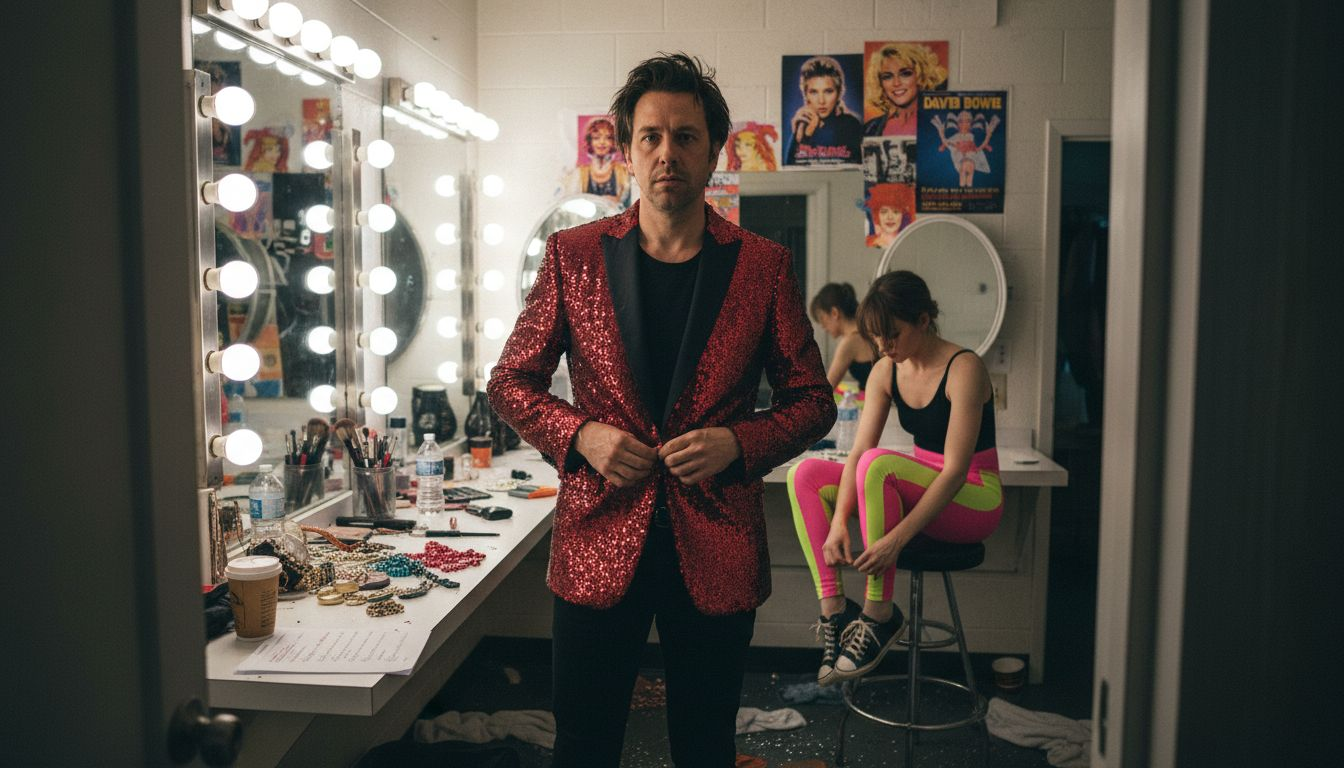
This era demonstrated how pop culture shapes design across commercial and artistic contexts. Music videos became fashion showcases, with MTV serving as a 24-hour style channel broadcasting new looks directly to impressionable audiences. The speed of influence accelerated dramatically compared to previous decades reliant on magazine editorials and film releases.
Key historical milestones illustrating pop icon fashion impact:
- 1950s-1960s: Hollywood stars like Marilyn Monroe and James Dean define aspirational style
- 1970s: Disco culture and rock icons introduce glam and punk aesthetics
- 1980s-1990s: Music videos create instant global fashion moments
- 2000s: Hip-hop artists elevate streetwear to luxury fashion status
- 2010s-present: Social media democratizes influence while amplifying star power
| Time Period | Iconic Style | Longevity |
|---|---|---|
| 1950s Classic Hollywood | Little black dress, pearls | Timeless wardrobe staples |
| 1980s Pop Stars | Neon colors, oversized jackets | Cyclical revival every decade |
| 2000s Hip-Hop | Logo-heavy streetwear | Evolved into luxury streetwear |
| 2020s Gender-Fluid | Unisex silhouettes, bold prints | Growing mainstream acceptance |
The evolution from singular icons to global phenomenon reflects broader cultural shifts. Early pop icons influenced primarily through aspiration and distance. Modern icons influence through accessibility and relatability, sharing behind-the-scenes content and styling tips that demystify fashion choices.
Mechanisms of influence: media, social platforms, and celebrity endorsements
Celebrity endorsements drive purchasing behavior with remarkable effectiveness. Up to 60% of consumers report purchasing decisions are directly influenced by celebrities’ fashion endorsements. This statistic reveals the commercial power pop icons wield, translating personal style into billions of dollars in consumer spending annually.
Social media platforms have revolutionized how pop icon fashion influence spreads. Hashtag movements like #OOTD and #FashionTikTok generate millions of daily interactions influencing global fashion purchases. TikTok’s algorithm particularly accelerates trend velocity, transforming niche styles into mainstream phenomena within days rather than seasons.
The shift from traditional fashion cycles to personality-driven trends marks a fundamental change in the industry. Previously, fashion houses dictated trends through seasonal collections unveiled months in advance. Now, a single Instagram post from a major pop icon can spark immediate demand, forcing brands to respond in real time with production and marketing adjustments.
Key mechanisms amplifying pop culture and media influence include:
- Instagram’s visual storytelling enabling style documentation and inspiration
- TikTok’s viral challenge format spreading fashion trends rapidly
- YouTube tutorials teaching audiences how to recreate pop icon looks
- Twitter conversations generating buzz around red carpet and street style moments
- Collaborative posts between pop icons and fashion brands reaching combined audiences
The democratization of fashion influence creates both opportunities and challenges. Micro-influencers now compete with mega-stars for attention, fragmenting the landscape. Yet pop icons maintain unique advantages through production budgets, styling teams, and media access that smaller creators cannot match.
Pro Tip: Follow pop icons whose aesthetic resonates with your values rather than chasing every viral trend. This selective approach helps build a coherent personal style while staying culturally connected.
Intersection of cultural identity and pop icon fashion
Pop icons leverage fashion as a tool to challenge societal norms and express cultural values. Beyoncé, Rihanna, and Harry Styles use fashion to blur gender lines and redefine beauty standards, transforming fashion into cultural statements. Harry Styles’ preference for pearls, ruffles, and dresses challenges masculine fashion conventions while Rihanna’s Savage X Fenty celebrates diverse body types and ethnic backgrounds.
Red carpet events serve as powerful platforms for these cultural conversations. The Met Gala transforms celebrity fashion into global cultural conversations on heritage and identity. Each year’s theme provides pop icons opportunities to make statements about history, politics, and social issues through carefully curated ensembles that generate worldwide media coverage.
Fashion choices by pop icons often reflect and accelerate social movements. The increased visibility of gender-fluid fashion correlates with broader LGBTQ+ rights progress. Sustainable fashion advocacy by celebrities like Emma Watson influences consumer expectations for ethical production. Cultural appropriation debates sparked by problematic style choices educate audiences about respecting heritage and symbolism.
Cultural fashion narratives shaped by pop icons include:
- Body positivity movements challenging narrow beauty standards
- Modest fashion gaining mainstream visibility through diverse representation
- Indigenous and diaspora communities reclaiming traditional garments in contemporary contexts
- Disability-inclusive fashion expanding beyond medical necessity to style expression
- Age-diverse fashion rejecting youth-centric industry standards
“Fashion serves as a visual language through which pop icons communicate complex ideas about identity, belonging, and resistance. When Billie Eilish wore oversized clothing to reject body scrutiny, she sparked global conversations about female autonomy and media objectification.”
The intersection of identity and fashion continues evolving as pop icons from diverse backgrounds gain platforms. K-pop stars introduce Asian aesthetics to Western markets. Latin American artists celebrate vibrant color palettes and traditional craftsmanship. African musicians showcase contemporary interpretations of tribal prints and techniques.
Common misconceptions about pop icon influence on fashion
A persistent myth suggests pop icon fashion influence represents shallow trend-chasing without substance. This misconception ignores the deep expressions of cultural identity and social values embedded in style choices. When Zendaya collaborates with Law Roach to reference historical Black fashion icons, she educates audiences while making aesthetic statements.
Research challenges the superficiality assumption. Survey data shows 40% of consumers view personal style as integral to identity expression rather than mere trend following. This perspective shift recognizes fashion as a language for communicating values, affiliations, and aspirations beyond surface aesthetics.
Misunderstanding pop icon fashion influence can undermine consumer confidence. People who dismiss all celebrity-inspired styles as inauthentic may miss opportunities to experiment with looks that genuinely resonate. Conversely, those who adopt every trend without reflection risk losing personal style coherence.
Common misconceptions debunked:
- Myth: Pop icon fashion only creates disposable fast fashion trends
- Reality: Many iconic styles persist for decades, becoming wardrobe foundations
- Myth: Following pop icon style means copying looks exactly
- Reality: Successful adoption involves adapting elements to personal context and body type
- Myth: Pop icon fashion influence only affects young, impressionable consumers
- Reality: Cross-generational appeal exists, with icons influencing diverse age groups
- Myth: All pop icon fashion choices are carefully calculated marketing
- Reality: Authentic personal expression often drives style evolution despite commercial pressures
Pro Tip: Look beyond surface trends to cultural narratives for lasting style inspiration. Understanding why a pop icon chooses specific silhouettes or symbols helps identify elements with personal relevance versus fleeting fads.
The impact of these misconceptions extends beyond individual wardrobes. Fashion industry professionals who underestimate pop culture’s substantive influence miss opportunities for meaningful brand storytelling. Consumers who overcorrect by rejecting all celebrity inspiration may limit creative exploration unnecessarily.
Comparison and frameworks for analyzing pop icon fashion impact
Fashion trends inspired by pop culture icons often persist for decades, as seen in Hollywood classics and music-driven streetwear. Analyzing this impact requires structured frameworks distinguishing enduring influences from temporary fads. A three-tier model helps clarify the process: Origin, Amplification, Integration.
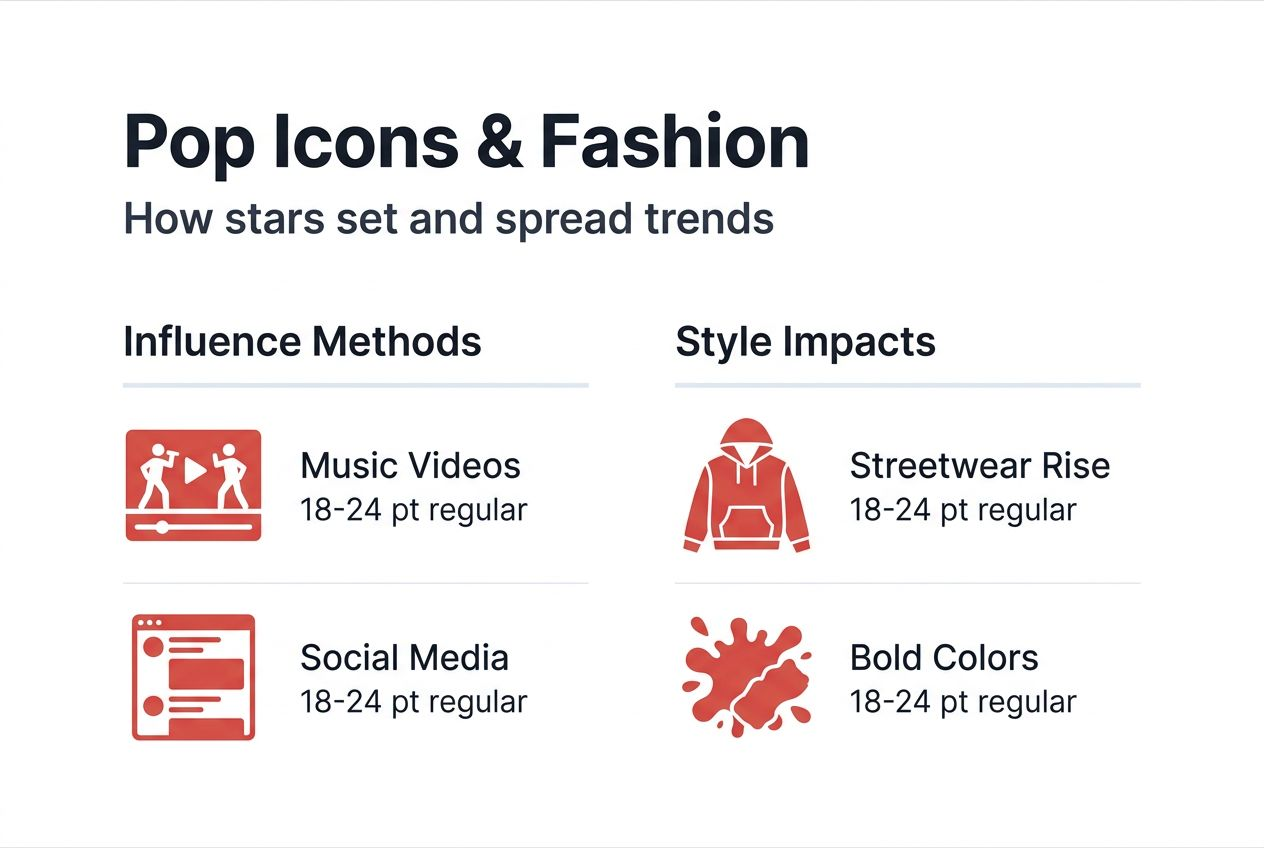
Origin examines where and why a pop icon introduces a specific style element. Amplification tracks how media, social platforms, and commercial partnerships spread the trend. Integration assesses whether the style becomes embedded in mainstream fashion vocabulary or fades quickly.
| Style Example | Origin | Longevity | Cultural Impact |
|---|---|---|---|
| Little black dress | Audrey Hepburn, 1960s | Timeless | Established elegant minimalism as aspirational |
| Oversized streetwear | Hip-hop artists, 1990s | Enduring | Elevated casual wear to high fashion status |
| Gender-fluid suits | David Bowie, 1970s-present | Cyclical revival | Challenged binary dress codes progressively |
| Viral TikTok microtrends | Various influencers | Weeks to months | Demonstrates platform-specific ephemerality |
Evaluating trend longevity and personal relevance requires systematic assessment. Follow these steps to analyze pop icon fashion thoughtfully:
- Identify the cultural context and values the style represents
- Assess whether those values align with your personal identity and lifestyle
- Consider the style’s versatility across different settings you navigate
- Evaluate quality and sustainability of items needed to achieve the look
- Test the style in small doses before committing to major wardrobe changes
- Monitor your emotional response wearing the style over several weeks
Timeless styles typically share common characteristics. They solve functional problems while making aesthetic statements. They adapt across body types and personal modifications. They reference cultural symbols with enduring significance rather than momentary novelty.
Comparing art-inspired fashion concepts with pop icon trends reveals interesting parallels. Both draw from cultural heritage and contemporary commentary. Both balance individual expression with collective recognition. Both evolve through dialogue between creators and audiences.
Pro Tip: Create a personal style matrix rating potential additions on authenticity, versatility, quality, and cultural resonance. This framework prevents impulse purchases while encouraging thoughtful experimentation.
Practical applications: leveraging pop icon influence in personal style
Applying pop icon fashion knowledge to personal style requires intentional selection and adaptation. Choose styles inspired by pop icons that align with your core identity rather than contradicting it. If minimalism defines your aesthetic, adopting maximalist trends because they are popular creates cognitive dissonance that undermines confidence.
Social media serves as a powerful research tool when used strategically. Follow pop icons whose style philosophy resonates with your values. Curate feeds featuring diverse body types and age ranges to see how signature looks translate across different contexts. Save inspiration images but avoid mindless scrolling that breeds comparison anxiety.
Balancing trend adoption with personal authenticity prevents wardrobe regret and wasted resources. Start with small, reversible changes like accessories or color palettes before committing to major purchases. Test how a pop icon-inspired element integrates with existing wardrobe pieces rather than building entirely new looks from scratch.
Practical tips for integration:
- Identify three pop icons whose style consistently appeals to you across multiple appearances
- Analyze common elements in their looks rather than copying specific outfits
- Adapt signature pieces to your lifestyle needs and climate realities
- Mix high-impact statement pieces with foundational basics for balance
- Document your style evolution through photos to track what genuinely works
- Seek feedback from trusted friends who understand your aesthetic goals
Gender-fluid elements seen in pop icon fashion offer creative possibilities for all consumers. Experimenting with traditionally masculine or feminine pieces expands expressive range regardless of gender identity. A blazer cut for the opposite gender often provides interesting proportions. Accessories like jewelry or bags transcend binary categorization entirely.
Classic elements from pop icon history provide safe entry points for experimentation. The white t-shirt and jeans combination worn by James Dean remains relevant because it balances simplicity with attitude. Adding one statement piece inspired by current pop icons updates the look without abandoning its foundation.
Pro Tip: Regularly review your style evolution to keep it fresh yet true to you. Schedule quarterly closet audits assessing which pop icon-inspired additions earned regular wear versus which collect dust. This practice refines your ability to predict personal versus passing appeal.
Discover pop culture fashion collections that translate these principles into wearable art, offering curated selections for authentic self-expression.
Explore pop culture-inspired fashion at Art-O-Rama Shop
Translating pop icon fashion inspiration into tangible wardrobe additions requires thoughtful curation and quality. Art-O-Rama Shop specializes in pop culture-inspired apparel and art merchandise that celebrates iconic figures while supporting personal style expression. The collections feature custom-designed pieces merging artistic heritage with contemporary pop culture references.
Browse themed collections showcasing work from legendary artists like Banksy alongside pop culture icons, creating unique intersections of high art and street style. Each piece offers conversation-starting graphics printed on quality fabrics designed for longevity. Whether you gravitate toward bold statement hoodies or subtle art-inspired accessories, the curated selection supports diverse aesthetic preferences.
Explore Art-O-Rama Shop to discover how pop culture fashion principles translate into wearable expressions that honor both artistic legacy and individual identity. Fast shipping ensures your style evolution keeps pace with inspiration.
FAQ
What defines a pop icon in fashion?
Pop icons are influential figures in music and celebrity culture who shape fashion trends and cultural narratives through distinctive personal style. They embody aesthetics that resonate widely, driving consumer behavior and inspiring designers. Their fashion choices transcend personal preference to become social commentary and cultural touchstones.
How does social media enhance pop icon fashion influence?
Social media democratizes influence, allowing viral trends to grow exponentially through shares, likes, and hashtag campaigns. Platforms like Instagram and TikTok provide direct access to pop icon style choices in real time, eliminating traditional media gatekeepers. This immediacy accelerates trend adoption while enabling global audiences to participate in fashion conversations previously limited to industry insiders.
Can pop icon fashion influence help develop my unique style?
Yes, by selectively adopting elements that align with your identity rather than copying looks wholesale. Analyzing why certain pop icon styles appeal to you reveals values and aesthetics worth exploring further. Balancing trend awareness with authentic self-expression leads to confident, personalized style that evolves thoughtfully rather than chasing every fleeting fad.
Are pop icon fashion trends only short-lived fads?
No, many pop icon-inspired styles have lasted decades and become wardrobe foundations recognized across generations. The little black dress, denim jeans, and leather jackets all trace origins to pop culture moments that embedded cultural values beyond temporary trends. Distinguishing enduring influences from ephemeral fads requires examining the cultural narratives and functional qualities underlying style choices.

