

What Are Collectible Posters and Why They Matter
Feb 03, 2026
Finding posters that truly enrich a collection can be challenging for collectors who crave authentic artistic expression and cultural value. The difference between decorative prints and genuine collectible posters lies in subtle details like printing technique, historical context, and artist reputation. These visual artifacts reflect moments in history, embody signature design movements, and often feature limited production that sets them apart. Understanding these core factors helps collectors worldwide build a collection that not only stands out on the wall, but tells a unique story.
Table of Contents
- Defining Collectible Posters And Misconceptions
- Popular Types Of Collectible Posters Explained
- Identifying Authenticity And Key Characteristics
- Value Factors And Art Market Insights
- Avoiding Common Mistakes In Collecting
Key Takeaways
| Point | Details |
|---|---|
| Collectible Posters are Valuable Artifacts | They capture historical moments and cultural narratives, going beyond decorative purposes. |
| Factors Affecting Collectible Status | Rarity, provenance, historical significance, and condition determine the value of posters. |
| Common Mistakes in Collecting | New collectors should avoid lack of focus, impulse buying, and failing to verify authenticity to build meaningful collections. |
| Research is Essential | Understanding the historical and artistic context enhances purchasing decisions and investment potential in poster collecting. |
Defining Collectible Posters and Misconceptions
Collectible posters represent far more than decorative wall art - they are complex cultural artifacts that capture historical moments, artistic movements, and visual communication. Poster art has evolved from simple advertising tools to sophisticated collectors’ items that blend graphic design, typography, and cultural storytelling.
At their core, collectible posters are visual artifacts with significant artistic, historical, or cultural value that transcend their original purpose. Unlike mass-produced prints, these posters possess unique characteristics that make them desirable to collectors:
- Artistic Significance: Represent specific design movements or artistic styles
- Historical Context: Document important social, political, or cultural moments
- Limited Production: Often produced in restricted quantities
- Aesthetic Quality: Demonstrate exceptional graphic design and visual composition
- Cultural Representation: Capture the spirit of a particular era or artistic movement
Contrary to popular misconceptions, not every poster qualifies as collectible. Professional collectors differentiate between commercial prints and true collectible pieces by examining factors like:
- Original artist or designer
- Historical period of creation
- Printing technique and quality
- Condition and preservation status
- Cultural or artistic significance
Rarity and provenance play crucial roles in determining a poster’s collectible status. Some posters become valuable because they represent landmark artistic expressions or document significant cultural moments.
Collectible posters are living historical documents that capture visual communication’s evolution through graphic design, typography, and artistic expression.
Pro tip: When starting a poster collection, focus on understanding the historical and artistic context rather than just purchasing based on visual appeal.
Popular Types of Collectible Posters Explained
Collectible posters represent diverse artistic and cultural expressions that span multiple genres and historical periods. These visual artifacts capture the essence of their time, offering collectors a fascinating window into different eras, artistic movements, and cultural narratives.
The most sought-after collectible poster categories include:
- Movie Posters: Vintage Hollywood classics and rare film promotional artwork
- Concert Posters: Iconic music event memorabilia, especially from the 1960s psychedelic era
- Advertising Posters: Vintage brand campaigns and commercial art
- Propaganda Posters: Historical political and wartime communication materials
- Travel Posters: Vintage destination promotional artwork
- Art Exhibition Posters: Limited edition prints from significant artistic events
Each poster category offers unique characteristics that appeal to different types of collectors. Movie poster enthusiasts might focus on rare vintage film advertisements, while art collectors may prioritize limited edition prints from renowned artists or significant cultural movements.

Here’s a summary of what distinguishes major collectible poster types:
| Poster Type | Hallmark Features | Typical Value Drivers |
|---|---|---|
| Movie Posters | Iconic film imagery, rare releases | Star power, cult status |
| Concert Posters | Event info, unique artwork | Musical influence, event rarity |
| Advertising Posters | Brand visuals, vintage styles | Brand legacy, ad campaign impact |
| Propaganda Posters | Political motifs, historic slogans | Historical event relevance |
| Travel Posters | Artistic scenes, destinations | Location popularity, period art |
| Art Exhibition Posters | Limited prints, artist focus | Artist fame, exhibition pedigree |
Collectible posters are not just decorative items, but historical documents that capture the visual language of their time.
The value of collectible posters depends on several critical factors:
- Historical significance
- Artistic quality
- Condition and preservation
- Rarity of the original print
- Artist or designer’s reputation
Pro tip: Research the specific genre and era you’re most passionate about before starting your collection to make more informed purchasing decisions.
Identifying Authenticity and Key Characteristics
Identifying authentic vintage posters requires a sophisticated understanding of printing techniques, material characteristics, and subtle visual markers that distinguish original works from modern reproductions. Collectors must develop a trained eye to evaluate multiple aspects of a poster’s physical composition and historical context.
Key characteristics of authentic vintage posters include:
- Printing Technique: Unique markers of original lithography, screen printing, or offset printing
- Paper Quality: Natural aging, subtle discoloration, and original texture
- Printing Marks: Presence of original printer’s signatures or identification stamps
- Edge Characteristics: Uneven or slightly imperfect edges from original production
- Fold Lines: Natural, aged fold marks indicating original distribution method
The authentication process involves examining several critical elements:
- Analyzing the specific printing method
- Checking paper composition and aging characteristics
- Identifying original printing marks
- Verifying historical documentation
- Assessing overall preservation condition
Printing Techniques play a crucial role in determining authenticity. Different methods leave distinctive visual and tactile signatures that skilled collectors can recognize:
Compare the main poster authentication techniques:
| Method | Key Verification Step | Common Uses |
|---|---|---|
| Printing Analysis | Examine ink texture & color | Distinguishing print methods |
| Paper Inspection | Assess fiber, aging marks | Confirming vintage materials |
| Mark Identification | Locate stamps, signatures | Verifying printer & origin |
| Documentation | Review historical records | Tracking provenance/ownership |
- Lithographs feature textured ink with subtle color variations
- Offset prints present clear, uniform images
- Screen prints reveal layered ink application
Authentic vintage posters are living historical artifacts, each bearing unique characteristics that tell a story beyond their visual design.
Pro tip: Invest in a high-quality magnifying glass and ultraviolet light to help detect subtle authentication markers that are invisible to the naked eye.
Value Factors and Art Market Insights
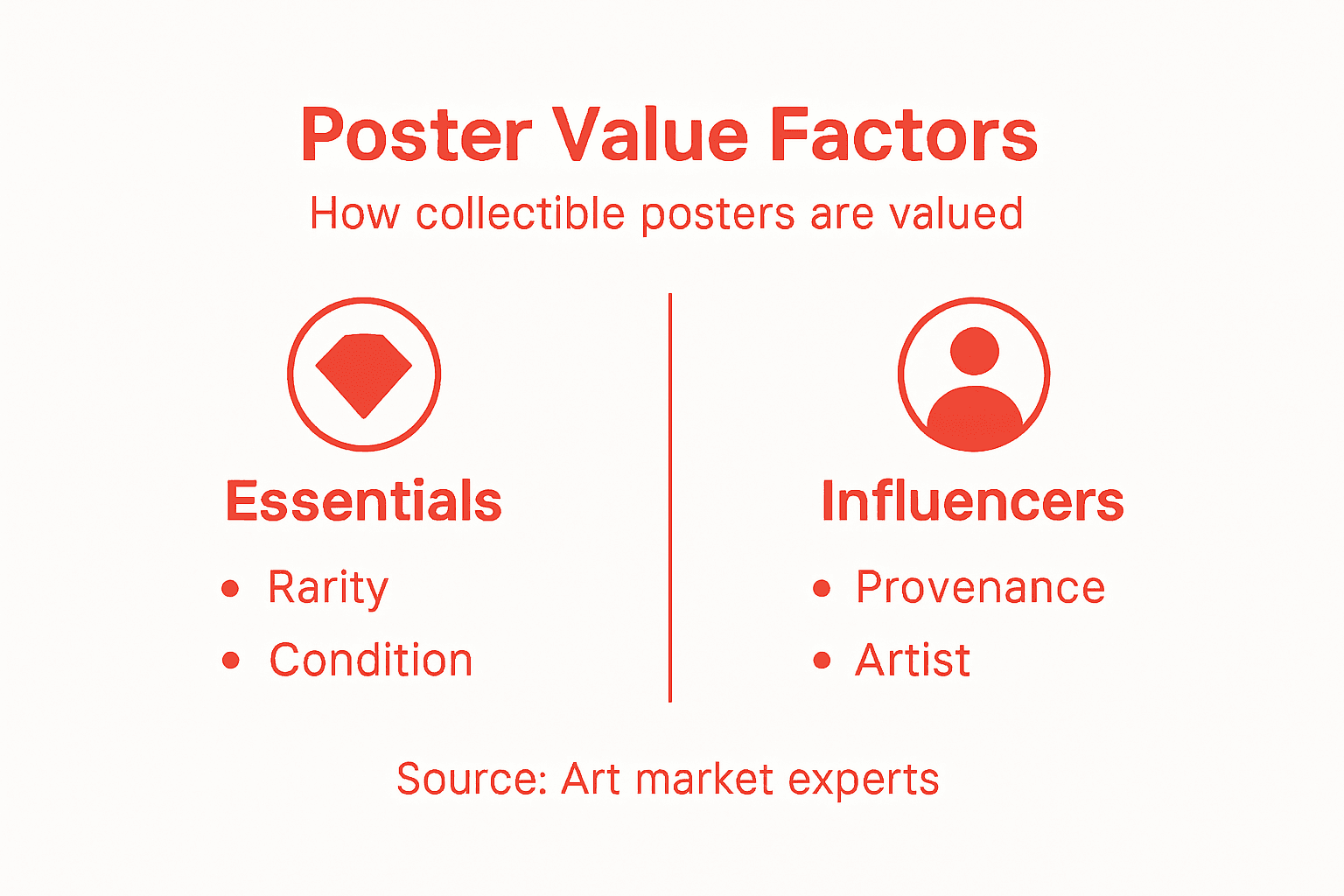
Collectible poster value depends on multiple intricate factors that extend far beyond simple aesthetic appeal. The art market for posters is complex, with nuanced elements that determine a piece’s financial and historical significance.
Critical value determinants for collectible posters include:
- Rarity: Limited production numbers dramatically increase potential value
- Artist Reputation: Works by renowned graphic designers or artists command higher prices
- Historical Significance: Posters documenting important cultural moments
- Condition: Pristine preservation enhances collector interest
- Provenance: Documented ownership history adds credibility
- Cultural Context: Posters representing specific artistic movements
The valuation process involves comprehensive assessment across several key dimensions:
- Originality of the print
- Historical documentation
- Artistic technique
- Market demand
- Preservation quality
Collector Markets demonstrate significant variation in poster valuation. Some vintage movie posters might appreciate hundreds of percent in value, while others remain relatively stable. Understanding market trends requires deep research and specialized knowledge.
Poster collecting is not just an investment strategy, but a form of preserving visual cultural heritage.
Pro tip: Consult multiple expert appraisers and maintain detailed documentation to accurately track your poster collection’s potential market value.
Avoiding Common Mistakes in Collecting
Common poster collecting mistakes can derail even passionate collectors, turning what should be an exciting hobby into a frustrating experience. Understanding these potential pitfalls is crucial for building a meaningful and valuable collection.
Key mistakes that new collectors frequently encounter include:
- Lack of Focus: Collecting without a clear theme or direction
- Impulse Purchasing: Buying posters without proper research
- Budget Mismanagement: Overspending or failing to set financial limits
- Condition Ignorance: Overlooking poster preservation and restoration issues
- Authentication Challenges: Purchasing without verifying poster authenticity
- Storage Negligence: Improper handling and preservation techniques
Most critical errors in poster collecting stem from several fundamental misconceptions:
- Believing all vintage posters are equally valuable
- Ignoring the importance of provenance
- Underestimating preservation requirements
- Purchasing solely for potential investment
- Failing to understand market dynamics
Collector Education represents the most powerful tool against these common mistakes. Serious collectors invest significant time in understanding poster history, printing techniques, and market trends. They develop a discerning eye that goes beyond mere visual attraction.
Successful poster collecting is a blend of passion, knowledge, and strategic decision-making.
Pro tip: Create a detailed collecting plan that outlines your budget, focus areas, and authentication criteria before making any significant purchases.
Elevate Your Passion for Collectible Posters with Exclusive Art-Driven Merchandise
Understanding what makes a poster truly collectible involves appreciating its artistic value, historical significance, and authenticity. If you are passionate about visual storytelling and want to connect with art beyond traditional prints, explore how you can express this passion every day. At Artoramashop.com, we celebrate artistic expression by offering a unique range of art-inspired apparel and collectibles that bring iconic works from masters like Picasso and Banksy right into your lifestyle.
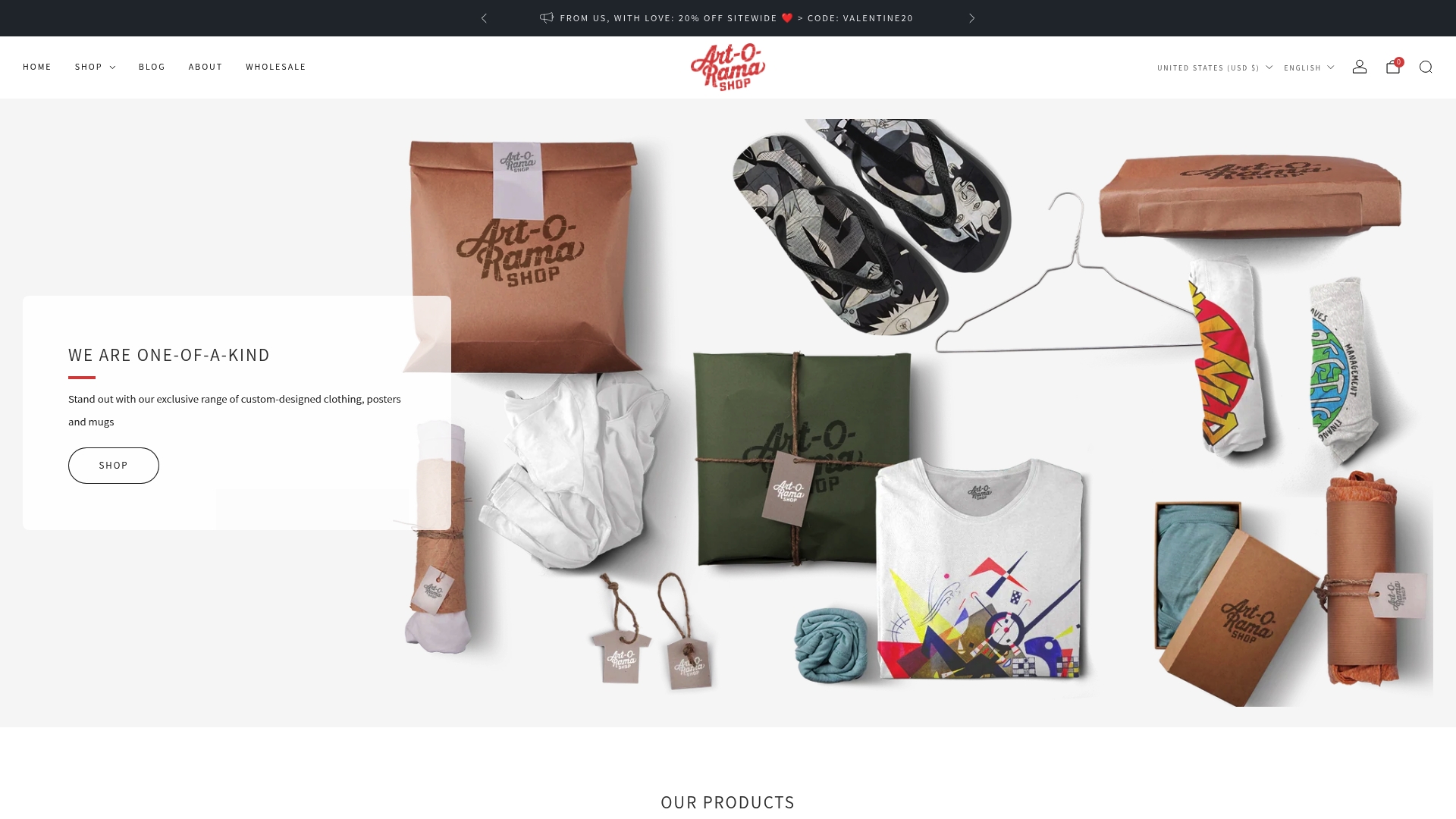
Discover exclusive, high-quality graphic tees, hoodies, and collectible mugs that merge cultural heritage with contemporary fashion. Don’t just admire posters from a distance—wearable art lets you showcase your dedication to collectible visuals and artistic storytelling. Visit Artoramashop.com now to find your perfect piece and experience the emotional connection of art that moves beyond the walls. Start your artistic journey today and turn your passion into a bold statement.
Frequently Asked Questions
What defines a collectible poster?
Collectible posters are visual artifacts with significant artistic, historical, or cultural value that go beyond mere decoration. They often represent specific artistic movements, document important events, and are produced in limited quantities.
How can I identify if a poster is authentic?
To identify the authenticity of a poster, check for unique printing techniques, paper quality, and any original printer’s marks or signatures. Additionally, look for edge characteristics and fold lines, as these can indicate original production methods.
What factors contribute to the value of a collectible poster?
The value of collectible posters is influenced by rarity, artist reputation, historical significance, condition, provenance, and cultural context. Each of these elements plays a crucial role in determining the financial and historical value of the piece.
What are the most popular types of collectible posters?
Some of the most popular types of collectible posters include movie posters, concert posters, advertising posters, propaganda posters, travel posters, and art exhibition posters. Each category has its own unique characteristics and appeal to various collectors.

