

Famous Art Styles List: 6 Styles & Selection Guide
Mar 02, 2026
Choosing art-inspired merchandise can feel overwhelming when you can’t immediately recognize the difference between Cubism and Surrealism, or Pop Art and Expressionism. Many consumers struggle to identify art styles clearly, leading to confusion in selection, especially when browsing online collections of apparel and home décor. This article clarifies the distinctive traits of six famous art styles, provides concrete criteria for distinguishing them, and guides you toward merchandise choices that genuinely resonate with your personal aesthetic and lifestyle needs.
Table of Contents
- How To Choose An Art Style: Key Selection Criteria
- Famous Art Styles: Definitive List And Descriptions
- Comparing Similar Art Styles: Key Differences And Insights
- Use Cases For Art Style Merchandise: Matching Styles To Preferences
- Pricing And Accessibility: What To Expect When Buying Art-Inspired Merchandise
- Situational Recommendations: Which Art Style Merchandise Is Right For You?
- Explore Exclusive Art Style Merchandise At Art-O-Rama Shop
- FAQ
Key Takeaways
| Point | Details |
|---|---|
| Six major art styles | Impressionism, Cubism, Pop Art, Expressionism, Surrealism, and Art Nouveau each have unique visual hallmarks you can learn to recognize quickly. |
| Clear selection criteria | Visual features, historical context, emotional resonance, and practical suitability all influence which art style merchandise works best for you. |
| Common confusions resolved | Side-by-side comparisons clarify how similar styles differ, helping you avoid mistaken purchases and build confidence. |
| Pricing varies widely | Mass-market merch offers affordability while limited editions and artist collaborations command premium prices. |
| Situational guidance | Match art styles to your wardrobe goals, whether you seek bold statements, elegant subtlety, or emotional depth. |
How to Choose an Art Style: Key Selection Criteria
Before diving into specific art styles, establish a framework for evaluating and selecting merchandise that truly fits your taste. Visual distinctiveness serves as the foundation. Each art style carries hallmark features like color palettes, line types, and compositional techniques that make it instantly recognizable once you know what to look for.
Historical and cultural significance adds layers of meaning to your choices. Understanding the context in which a style emerged, from Impressionism’s rebellion against academic painting to Pop Art’s embrace of consumer culture, enriches your connection to the merchandise you wear or display. Merchandise suitability matters too. Some styles translate beautifully onto apparel, while others shine on posters or mugs.
Emotional and thematic resonance should guide your final decision. Does the energetic optimism of Impressionist landscapes match your vibe, or do you gravitate toward Expressionism’s raw intensity? Availability and price range bring practical constraints into play. Limited edition prints featuring famous artists command higher prices than mass-market adaptations, so align your budget with your expectations.
Pro Tip: Start by identifying two or three styles that immediately catch your eye, then research their defining characteristics to confirm your instincts before making a purchase.
Famous Art Styles: Definitive List and Descriptions
With selection criteria in mind, explore the six major art styles you’ll encounter most often in merchandise collections. Each style offers distinct visual language and emotional tone.
Impressionism revolutionized painting in the late 1800s by capturing fleeting moments of light and atmosphere. Impressionism is characterized by small, thin brush strokes and an emphasis on light, creating scenes of ordinary life like gardens, riversides, and urban landscapes with soft, dappled color. Artists like Monet and Renoir pioneered this approach, making it perfect for merchandise that evokes calm, natural beauty.
Cubism shattered traditional perspective by presenting objects from multiple viewpoints simultaneously. Cubism breaks objects into geometric shapes and shows multiple viewpoints, creating fragmented, angular compositions that challenge viewers to reconstruct reality mentally. Picasso and Braque led this radical movement, and their geometric abstraction translates powerfully onto statement apparel for those seeking intellectual edge.

Surrealism invites you into dreamlike worlds where logic dissolves and imagination reigns. This style features unexpected juxtapositions, fantastical creatures, and impossible scenarios that provoke wonder and introspection. Dalí and Magritte created iconic surrealist imagery that remains endlessly fascinating on posters and collectibles.
Pop Art emerged in the 1950s and 1960s as artists embraced mass media and consumer culture. Pop Art uses imagery from popular culture with bright colors and irony, transforming comic strips, advertising, and celebrity photos into fine art. Warhol and Lichtenstein made this style synonymous with bold, playful energy that dominates modern art merchandise trends today.
Expressionism prioritizes emotional truth over visual accuracy. Expressionism presents the world subjectively with emotional distortion and bold colors, using exaggerated forms and intense hues to convey inner feelings. Munch and Kirchner channeled anxiety, passion, and existential questioning into works that resonate with anyone seeking merchandise with psychological depth.
Art Nouveau flourished around 1900 with flowing, organic lines inspired by natural forms. This decorative style features elegant curves, floral motifs, and harmonious compositions perfect for accessories and home décor that exude timeless sophistication.
Comparing Similar Art Styles: Key Differences and Insights
Some art styles share visual or thematic elements that confuse newcomers. Side-by-side comparisons clarify these distinctions so you can confidently identify what you’re really buying.
Cubism versus Surrealism: Both styles challenge reality, but in fundamentally different ways. Cubism and Surrealism differ as abstraction versus fantasy styles. Cubism deconstructs objects into geometric planes and reassembles them analytically, while Surrealism preserves recognizable forms but combines them in dreamlike, irrational scenarios. If you want intellectual puzzle-solving, choose Cubism. For whimsical storytelling, opt for Surrealism.
Impressionism versus Expressionism: These movements both departed from realism but pursued opposite goals. Impressionism and Expressionism differ in their focus on light realism versus emotional expression. Impressionism captures external visual phenomena like sunlight on water with delicate brushwork, while Expressionism distorts reality to externalize inner turmoil through harsh colors and jagged forms. Merchandise featuring Impressionism feels serene and observational, while Expressionist pieces pulse with raw emotion.
Pop Art versus Expressionism: These styles represent polar opposite attitudes toward subject matter and technique. Pop Art and Expressionism are distinct in their use of popular culture versus emotional intensity. Pop Art borrows from advertising and mass media with cool detachment and bright, flat colors, celebrating consumer culture ironically. Expressionism rejects surface appearances entirely, using distortion and turbulent brushwork to communicate subjective feelings. When choosing art apparel wisely, decide whether you want playful cultural commentary or emotional authenticity.
| Style Pair | Key Visual Difference | Emotional Tone | Best For |
|---|---|---|---|
| Cubism vs Surrealism | Geometric abstraction vs fantastical realism | Analytical vs dreamlike | Intellectual vs imaginative expression |
| Impressionism vs Expressionism | Light effects vs emotional distortion | Calm observation vs intense feeling | Serene décor vs bold statements |
| Pop Art vs Expressionism | Mass media imagery vs subjective vision | Ironic playfulness vs raw authenticity | Trendy fashion vs personal depth |
Use Cases for Art Style Merchandise: Matching Styles to Preferences
Different art styles suit different fashion statements, décor goals, and lifestyle preferences. Matching the right style to your intentions ensures merchandise that genuinely enhances your self-expression.
Pop Art merchandise dominates when you want bold, conversation-starting fashion. Bright colors, graphic simplicity, and recognizable icons from advertising and entertainment make Pop Art apparel perfect for casual outings, music festivals, and social gatherings where playful confidence reigns. T-shirts and hoodies featuring Warhol-style portraits or comic book graphics communicate that you appreciate irony and contemporary culture.
Art Nouveau suits those drawn to elegant, nature-inspired aesthetics. Flowing lines, botanical motifs, and harmonious compositions translate beautifully onto accessories like scarves, jewelry designs printed on apparel, and home décor items. This style appeals to collectors who value timeless sophistication over trendy statements.
Expressionism fits anyone seeking emotional depth and personal authenticity in their wardrobe. The intense colors and distorted forms communicate that you value inner experience over superficial appearances. Expressionist merchandise works well for creative professionals, artists, and individuals who use fashion as psychological self-expression.
Cubism and Surrealism match abstract thinkers and imaginative spirits. Cubist designs appeal to those who appreciate intellectual challenge and geometric beauty, while Surrealist imagery attracts dreamers who enjoy visual storytelling and symbolic meaning. Both styles make excellent choices for styling art clothing that sparks curiosity and conversation.
Pro Tip: Consider where you’ll wear or display the merchandise most often. Office environments may favor subtle Art Nouveau or Impressionist pieces, while creative spaces welcome bolder Expressionist or Pop Art statements.
Pricing and Accessibility: What to Expect When Buying Art-Inspired Merchandise
Understanding pricing factors helps you set realistic budgets and find quality art-inspired merchandise within your means. Price varies significantly based on art style, artist licensing, and product exclusivity.
Mass-market merchandise offers the most affordable entry point. T-shirts and mugs featuring generalized interpretations of art styles, without specific artist attribution, typically range from $15 to $40. These products democratize art appreciation while keeping costs low through volume production and minimal licensing fees.
Limited edition collaborations command premium prices, often $75 to $200 or more for apparel and $50 to $150 for posters. Official partnerships with artist estates or museums ensure authenticity and higher production standards but require substantial licensing payments that manufacturers pass to consumers. Works by ultra-famous artists like Picasso, Warhol, or Banksy carry the highest premiums.
Quality indicators include printing technique, fabric composition, and color accuracy. Direct-to-garment printing and high-resolution art files produce sharper, longer-lasting images than cheaper screen printing. Look for detailed product descriptions that specify these technical aspects.
Specialized retailers and artist collaborations provide the best balance of quality and fair pricing. Dedicated art merchandise platforms curate collections with attention to authenticity and craftsmanship, offering better value than generic print-on-demand services. Artist-approved merchandise ensures your purchase supports creative communities while guaranteeing design integrity.
- Expect affordable mass-market pieces at $15 to $40
- Limited editions and artist collaborations range $75 to $200+
- Quality depends on printing technique and material grade
- Specialized retailers offer better curation than generic platforms
Situational Recommendations: Which Art Style Merchandise Is Right for You?
Tailor your art style selection to specific goals and preferences using these targeted recommendations. Personal resonance matters more than trends or prestige when building a collection that genuinely reflects your identity.
-
Choose Expressionism for emotional depth and authenticity. If you value psychological honesty and want apparel that reflects inner complexity, Expressionist designs with distorted forms and intense colors communicate that you prioritize feeling over fashion conformity. Perfect for creative professionals and introspective individuals.
-
Select Pop Art for bold cultural statements. When you want to project confidence, humor, and contemporary awareness, Pop Art merchandise featuring iconic imagery and bright palettes makes you visually memorable. Ideal for social settings, urban environments, and anyone who enjoys ironic commentary on consumer culture.
-
Opt for Art Nouveau for timeless elegance. Those drawn to natural beauty, flowing aesthetics, and sophisticated restraint find Art Nouveau’s botanical motifs and harmonious compositions perfectly suited to accessories and refined casual wear. Best for collectors who prioritize lasting style over momentary trends.
-
Embrace Cubism or Surrealism for abstract imagination. If intellectual stimulation and visual puzzles appeal to you, Cubist geometric compositions offer endless fascination. Surrealist dreamscapes suit those who appreciate symbolic storytelling and whimsical fantasy. Both styles work brilliantly for statement pieces that invite interpretation.
-
Start with Impressionism for accessible beauty. Newcomers to art merchandise often find Impressionist landscapes and light-filled scenes most approachable. The style’s gentle colors and recognizable subjects provide easy entry into art appreciation without demanding specialized knowledge.
When uncertain, revisit the selection criteria outlined earlier. Match visual features to your aesthetic preferences, consider emotional resonance, and evaluate practical factors like where you’ll wear the merchandise. Your choices should feel instinctively right, not forced by external validation. Explore different styles through smaller purchases like mugs or posters before committing to premium apparel, allowing you to choose your art apparel style with growing confidence.
Explore Exclusive Art Style Merchandise at Art-O-Rama Shop
Now that you understand how to identify and select art styles that match your aesthetic, discover curated collections designed specifically for discerning art enthusiasts. Art-O-Rama Shop specializes in high-quality merchandise inspired by the exact styles discussed in this guide, from Impressionist serenity to Pop Art boldness.
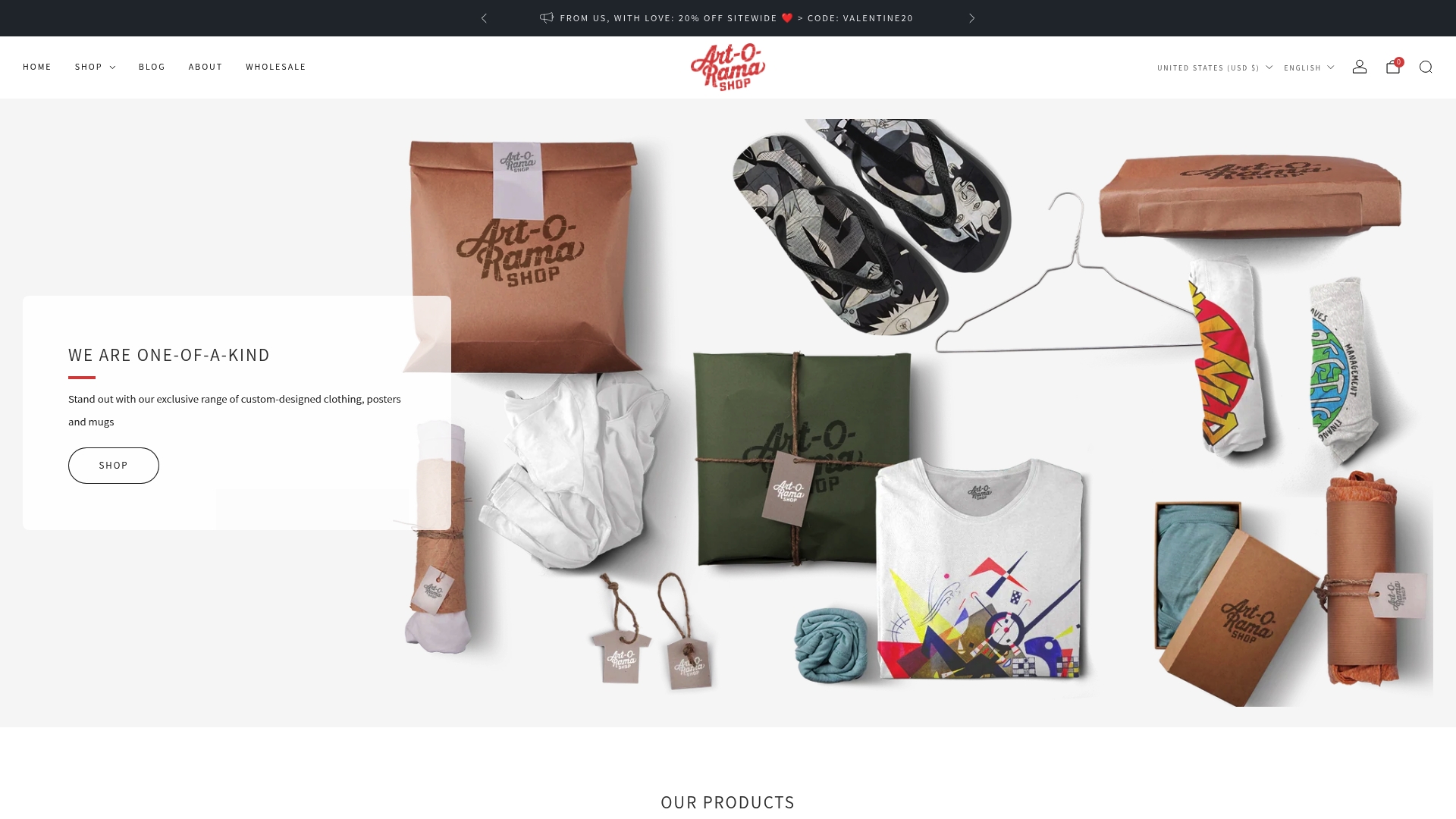
Our platform offers apparel, posters, and collectibles featuring authenticated artwork from renowned artists like Picasso, Matisse, and Banksy. Each piece undergoes rigorous quality control to ensure color accuracy and durability that honors the original artistic vision. Browse by artist or art style to find exactly what resonates with your personal taste, whether you’re drawn to modern art merchandise trends or timeless classics. Explore our comprehensive guide to types of art-inspired apparel to understand your options fully, then shop confidently knowing expert curation supports every selection. Fast shipping and exclusive designs make Art-O-Rama Shop your trusted partner in expressing your love for art through everyday fashion.
FAQ
How can I tell if merchandise genuinely reflects an art style?
Examine whether the design incorporates the defining visual characteristics discussed in this guide, such as Impressionism’s light-focused brushwork or Cubism’s geometric fragmentation. Authentic art merchandise includes artist attribution or clear style references, while generic designs merely imitate surface aesthetics without understanding underlying principles.
Are art style merchandise usually affordable for casual buyers?
Mass-market options priced $15 to $40 make art-inspired apparel accessible to most budgets. Premium pieces featuring licensed artwork from famous artists cost more but offer superior quality and authenticity. Start with affordable items to explore different styles before investing in collector pieces.
Can I mix different art styles in my fashion or home décor?
Absolutely, though intentional curation prevents visual chaos. Pair styles that share color palettes or emotional tones, like combining Art Nouveau’s elegance with Impressionism’s softness. Avoid clashing contrasts such as Expressionism’s intensity alongside Pop Art’s irony unless you deliberately seek avant-garde juxtaposition.
Where can I learn more about the history of these art styles?
Museum websites like The Metropolitan Museum of Art, Tate, and The Art Story offer comprehensive, authoritative resources on art movements. These platforms provide historical context, artist biographies, and visual examples that deepen your appreciation and inform smarter merchandise choices.
What is the best art style for a beginner looking to start collecting merch?
Impressionism and Pop Art both offer accessible entry points. Impressionism’s recognizable subjects and pleasant aesthetics appeal broadly without requiring specialized knowledge, while Pop Art’s cultural familiarity and bold graphics make it immediately engaging. Choose based on whether you prefer natural serenity or contemporary energy.

