

Art-Inspired Fashion Explained: Why It Matters Now
Feb 13, 2026
Finding clothes that mix creative expression with personal style can feel impossible when you want something beyond a basic tee. The roots of art-inspired fashion come from early 20th-century avant-garde movements, where designers began using clothing to spark cultural conversations. This article highlights how unique artistic collaboration turns garments into bold statements, explores iconic art influences shaping modern apparel, and offers fresh ways to enhance your individuality through wearable art.
Table of Contents
- Defining Art-Inspired Fashion and Its Roots
- Types of Art Influences in Modern Apparel
- Key Features of Art-Inspired Clothing Designs
- Popular Artists and Movements Shaping Fashion
- Personal Expression and Impact on Style
- Common Pitfalls and Misconceptions to Avoid
Key Takeaways
| Point | Details |
|---|---|
| Art-Inspired Fashion as Expression | Art-inspired fashion merges visual art with clothing design, creating garments that reflect personal and cultural narratives. |
| Influence of Artistic Movements | Various art movements, such as Cubism and Pop Art, significantly shape modern fashion through bold designs and innovative techniques. |
| Personal Style and Identity | Clothing choices serve as a powerful means of expressing identity, cultural heritage, and social values. |
| Critical Perspective Required | Understanding art-inspired fashion involves recognizing its dual nature as both an artistic medium and a functional garment. |
Defining Art-Inspired Fashion and Its Roots
Art-inspired fashion represents a dynamic intersection where creative expression transcends traditional clothing design, transforming garments into wearable artistic statements. This unique approach merges visual art’s aesthetic principles with sartorial creativity, challenging conventional boundaries between artistic mediums.
The origins of art-inspired fashion can be traced back to early 20th-century avant-garde movements, where artists and designers began reimagining clothing as a canvas for cultural commentary. Historical interactions between art and fashion reveal a complex relationship rooted in social symbolism and creative innovation.
Key characteristics of art-inspired fashion include:
- Direct visual references to specific artworks
- Incorporation of artistic techniques like abstract printing
- Experimental silhouettes mimicking sculptural forms
- Color palettes derived from famous paintings
- Conceptual designs challenging traditional fashion norms
These design approaches transform clothing from mere functional coverings into powerful mediums of personal and cultural expression. Artistic collaboration and cross-disciplinary creativity become central to understanding how fashion interprets and reimagines artistic narratives.
Pro tip: Explore museum gift shops and art-inspired collections to discover unique fashion pieces that blur the lines between wearable art and personal style.
Types of Art Influences in Modern Apparel
Modern apparel draws inspiration from diverse artistic movements, transforming clothing into a dynamic canvas that reflects cultural and visual narratives. Artistic influences across clothing design demonstrate how visual arts continuously reshape fashion’s aesthetic landscape.
Several prominent art movements have profoundly impacted contemporary fashion design:
- Cubism: Geometric fragmentation and angular silhouettes
- Pop Art: Bold color blocking and graphic print techniques
- Impressionism: Soft, fluid color palettes and ethereal textures
- Surrealism: Unexpected design elements and dreamlike visual compositions
- Abstract Expressionism: Dynamic, spontaneous pattern developments
These artistic influences extend beyond mere visual representation, fundamentally challenging traditional design boundaries. Conceptual fashion emerges as designers reinterpret artistic principles, transforming garments into wearable art pieces that communicate complex cultural narratives.
Contemporary designers frequently collaborate directly with artists, creating collections that blur distinctions between haute couture and visual art. Such partnerships enable fashion to serve as a powerful medium for artistic expression, allowing clothing to communicate sophisticated aesthetic and social messages.
Pro tip: Explore museum exhibitions and art-fashion crossover collections to develop a nuanced understanding of how artistic movements translate into wearable design.
Key Features of Art-Inspired Clothing Designs
Art-inspired clothing transcends traditional fashion boundaries by incorporating sophisticated design elements that transform garments into visual storytelling mediums. Stylistic characteristics of art-inspired designs reveal a complex interplay between artistic expression and sartorial innovation.
Key design features that distinguish art-inspired clothing include:
- Geometric Patterns: Complex mathematical and abstract visual arrangements
- Vibrant Color Strategies: Bold, unexpected color combinations
- Textile Manipulation: Innovative printing and fabric structuring techniques
- Conceptual Silhouettes: Shapes that challenge traditional clothing forms
- Narrative Prints: Designs that communicate cultural or personal stories
Textile technology plays a crucial role in translating artistic concepts into wearable designs. Designers employ advanced printing techniques, fabric treatments, and structural innovations to capture the essence of artistic movements, transforming flat artworks into three-dimensional garment experiences.
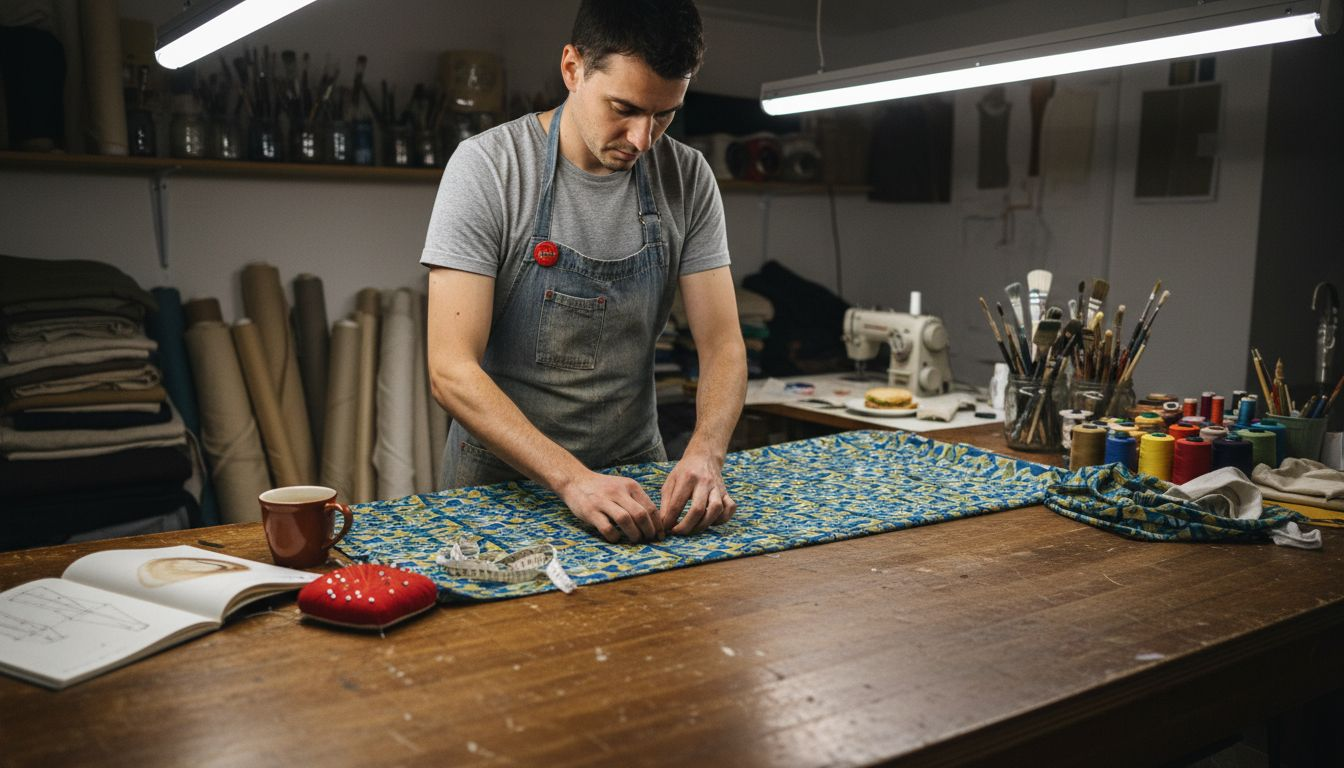
Contemporary art-inspired clothing goes beyond visual mimicry, representing a profound dialogue between artistic expression and personal identity. Each piece becomes a statement that challenges conventional fashion norms, inviting viewers to reconsider the boundaries between art, personal style, and cultural commentary.
Pro tip: Experiment with layering art-inspired pieces to create multidimensional outfits that tell a unique visual story.
Popular Artists and Movements Shaping Fashion
Fashion and art have long shared a symbiotic relationship, with artists and designers continuously transforming visual narratives through clothing. Art movements influencing fashion design reveal a rich tapestry of creative cross-pollination that transcends traditional aesthetic boundaries.
Several pivotal art movements have dramatically reshaped fashion design:
Here is a comparison of how selected art movements have influenced fashion design principles:
| Art Movement | Fashion Impact | Iconic Example Designer |
|---|---|---|
| Cubism | Angular cuts, sharp lines | Pablo Picasso x Schiaparelli |
| Pop Art | Graphic prints, bold hues | Andy Warhol x Versace |
| Surrealism | Dreamlike, playful forms | Salvador Dalí x Schiaparelli |
| Art Deco | Symmetrical, ornate forms | Jeanne Lanvin |
| Bauhaus | Functional, minimal look | Walter Gropius x Adidas |
- Cubism: Fragmented geometric silhouettes and angular design elements
- Surrealism: Dreamlike, unexpected visual compositions and transformative garment structures
- Pop Art: Bold graphic prints and vibrant, high-contrast color palettes
- Art Deco: Streamlined, symmetrical designs with ornate geometric patterns
- Bauhaus: Minimalist, functional aesthetics emphasizing form and simplicity
Designer innovations have been instrumental in translating artistic concepts into wearable forms. Iconic designers like Yves Saint Laurent and Elsa Schiaparelli pioneered collections that directly interpreted artistic movements, demonstrating how fashion can serve as a dynamic canvas for creative expression.
Contemporary fashion continues to evolve through artistic influences, with designers drawing inspiration from street art, digital aesthetics, and emerging visual cultures. This ongoing dialogue ensures that clothing remains a powerful medium for cultural commentary and personal storytelling.
Pro tip: Follow contemporary art exhibitions and museums to discover emerging visual trends that could inspire your personal fashion choices.
Personal Expression and Impact on Style
Personal style emerges as a powerful form of nonverbal communication, allowing individuals to articulate complex identity narratives through clothing choices. Fashion as personal identity construction reveals how garments transcend mere aesthetic function to become profound expressions of individual experience.
Key dimensions of personal expression through style include:
- Communicating cultural heritage
- Reflecting emotional states
- Challenging social expectations
- Demonstrating personal values
- Exploring psychological boundaries
Psychological research suggests that clothing functions as a dynamic form of self-representation, enabling individuals to experiment with and communicate multiple dimensions of their identity. Each sartorial choice becomes a nuanced statement about personal narrative, social positioning, and inner emotional landscape.
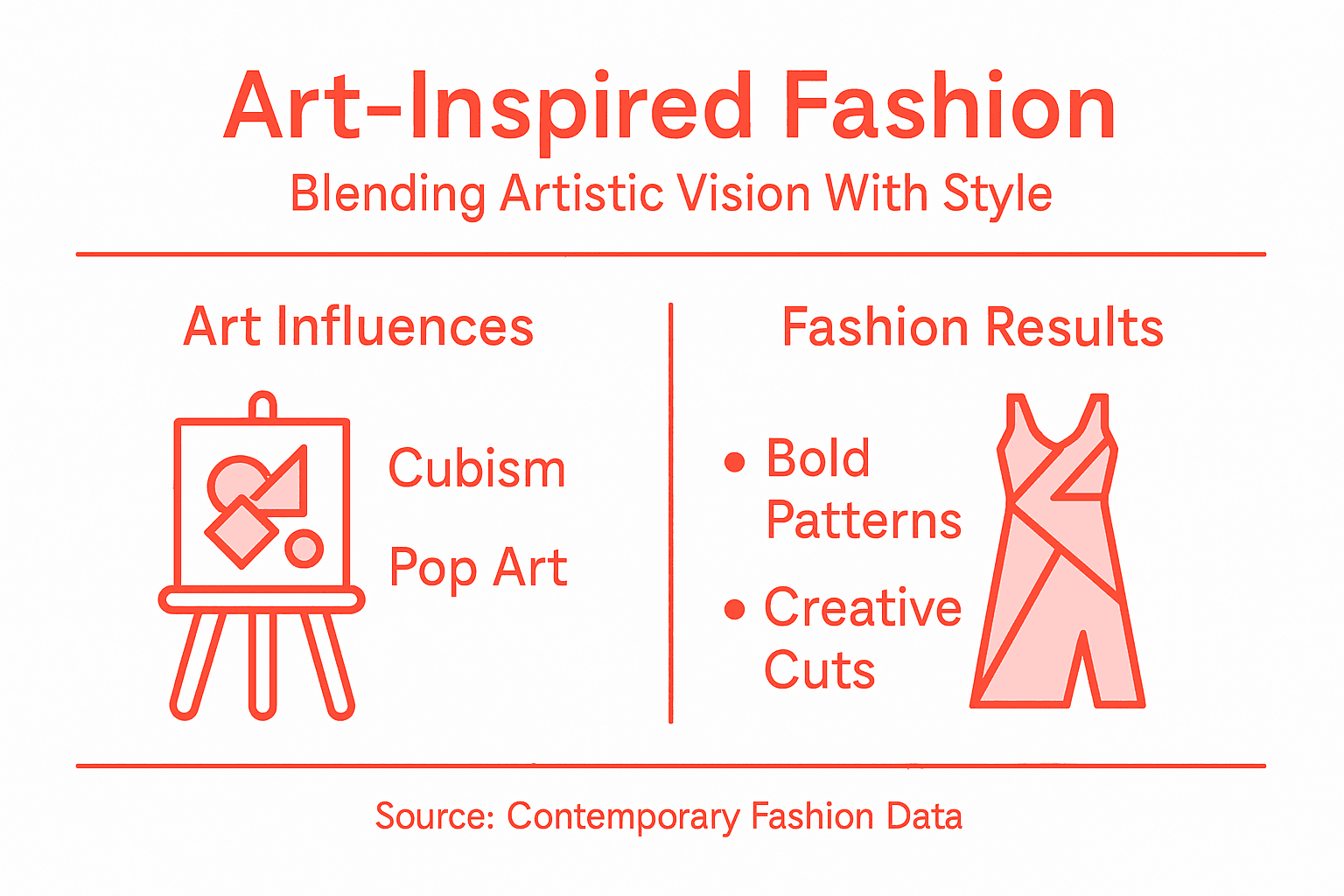
The transformative power of style extends beyond individual perception, actively shaping social interactions and cultural dialogues. By strategically curating personal aesthetic languages, individuals can challenge normative expectations, create visual conversations, and assert their unique perspectives within broader social contexts.
The following table summarizes how art-inspired fashion enhances personal style and cultural dialogue:
| Influence | Personal Impact | Social Effect |
|---|---|---|
| Artistic references | Enables creative self-styling | Sparks cultural conversations |
| Cross-disciplinary design | Supports unique identity | Questions fashion boundaries |
| Textile technology | Offers novel outfit choices | Inspires broader design trends |
| Narrative prints | Tells individual stories | Reflects diverse perspectives |
Pro tip: Experiment with mixing unexpected pieces from different artistic movements to develop a truly personalized style narrative that reflects your multifaceted identity.
Common Pitfalls and Misconceptions to Avoid
Art-inspired fashion represents a nuanced creative domain that demands careful understanding and critical perspective. Interdisciplinary art and fashion collaborations reveal complex challenges that emerge when attempting to bridge artistic and sartorial expressions.
Common misconceptions in art-inspired fashion include:
- Assuming all art-inspired clothing is high art
- Overlooking functional design requirements
- Treating fashion as a mere derivative of visual art
- Dismissing commercial considerations
- Romanticizing artistic integrity without practical context
Artistic authenticity requires a balanced approach that respects both creative expression and practical wearability. Designers must navigate the delicate intersection between conceptual innovation and consumer usability, recognizing that true art-inspired fashion transcends simplistic categorizations.
The most sophisticated art-inspired fashion emerges from a nuanced understanding that clothing is simultaneously an artistic medium, a functional object, and a form of personal communication. By avoiding reductive perspectives and embracing complexity, designers can create truly transformative fashion experiences that honor both artistic vision and human utility.
Pro tip: Develop critical thinking skills by examining art-inspired fashion pieces through multiple perspectives - aesthetic, functional, and cultural.
Elevate Your Style with True Art-Inspired Fashion
The article highlights the challenge many face when trying to express personal identity through fashion that truly reflects artistic integrity and creativity. If you want to avoid common misconceptions like treating art-inspired apparel as merely decorative rather than a form of cultural narrative, you need pieces that balance artistic authenticity with everyday wearability. At Artoramashop.com, we understand that your style is more than just clothing—it is a powerful medium that communicates your unique story and passion for art movements such as Cubism, Pop Art, and Surrealism.
Discover exclusive collections featuring custom-designed t-shirts, hoodies, and long sleeves adorned with iconic artwork from Picasso, Matisse, Banksy, and more. Each piece embodies the vibrant colors, innovative prints, and conceptual silhouettes that the article emphasizes as essential features of art-inspired fashion. Experience the fusion of visual storytelling and superior textile technology designed to help you break through conventional fashion boundaries while staying comfortable and authentic.
Start expressing your multifaceted identity now by exploring the exceptional range at Artoramashop.com inspired by your favorite art movements.
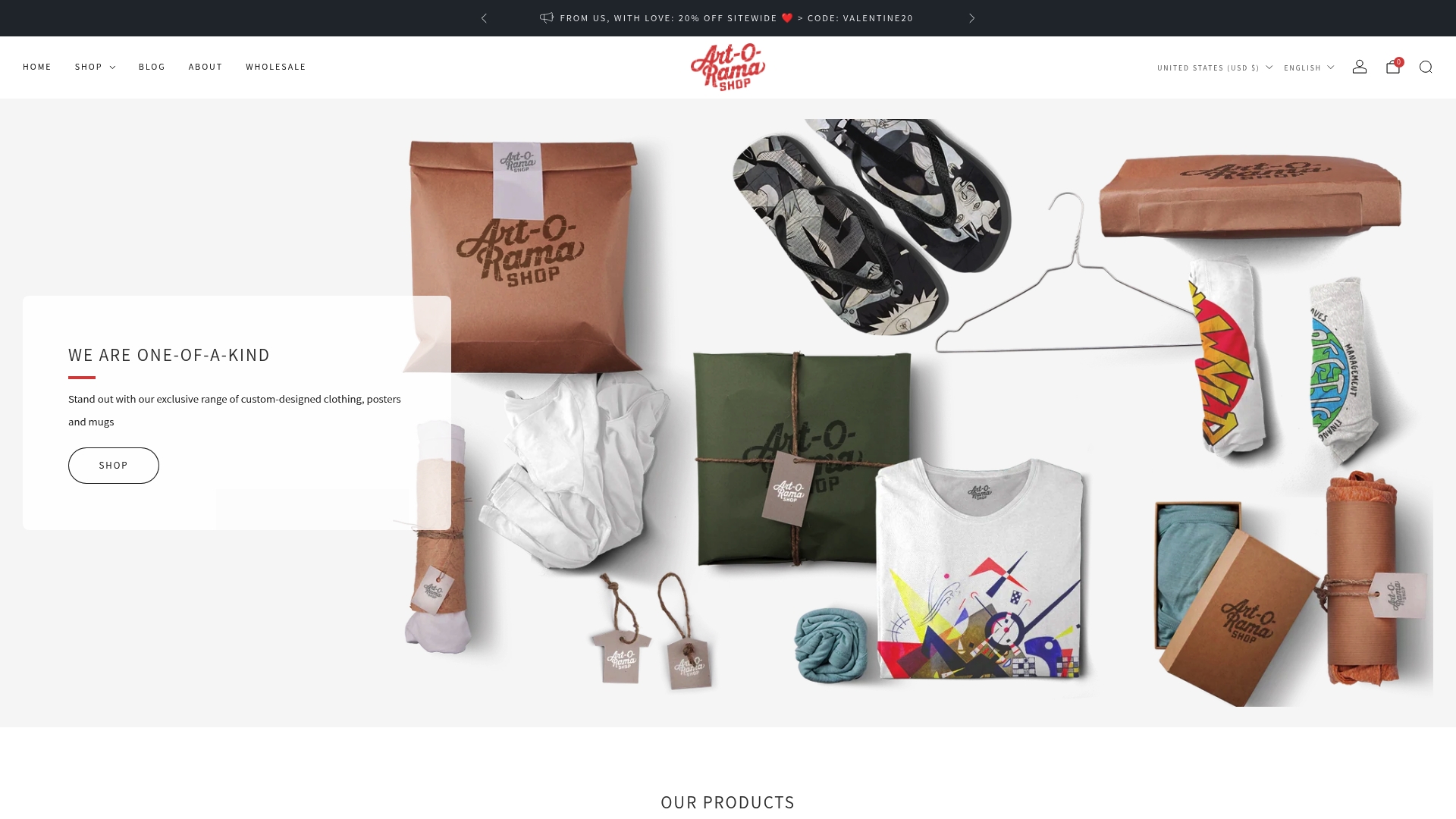
Don’t settle for ordinary clothing when you can wear art that speaks volumes. Visit our main store to find exclusive, high-quality apparel and collectibles that turn every outfit into a statement. Bring your personal style alive with the boldness and depth you deserve today.
Frequently Asked Questions
What is art-inspired fashion?
Art-inspired fashion is the fusion of visual art and clothing design, where garments are created as wearable pieces of art that express cultural and personal narratives.
How do art movements influence fashion design?
Art movements such as Cubism, Pop Art, and Surrealism have shaped fashion by inspiring specific design elements like geometric patterns, bold graphics, and unexpected shapes that challenge conventional methods.
What are key characteristics of art-inspired clothing?
Key characteristics include geometric patterns, vibrant color strategies, textile manipulation, conceptual silhouettes, and narrative prints that convey deeper meanings beyond aesthetics.
How can I incorporate art-inspired fashion into my personal style?
You can incorporate art-inspired fashion by selecting pieces that reflect artistic movements, experimenting with layering different art styles, and choosing garments that communicate personal stories or cultural references.

