

Why Picasso merchandise matters: meaningful art you can wear
Mar 09, 2026
Picasso merchandise isn’t just decoration. Each piece carries decades of artistic innovation, cultural symbolism, and political meaning that transformed modern art forever. Understanding why these items matter helps you connect personally with one of history’s most revolutionary artists through fashion and collectibles that celebrate his enduring legacy.
Table of Contents
- Understanding Picasso’s Artistic Innovations
- Cultural And Political Significance Of Picasso Merchandise
- How Picasso Merchandise Integrates Into Fashion And Pop Culture
- Why Quality Matters In Picasso Merchandise
- Common Misconceptions About Picasso Merchandise
- Versatility Of Picasso’s Artistic Legacy In Merchandise
- Economic And Cultural Ecosystem Of Picasso Merchandise
- Bringing Picasso’s Legacy Home: Practical Guide For Buyers
- Discover Exclusive Picasso Merchandise At Art-O-Rama Shop
- Frequently Asked Questions
Key takeaways
| Point | Details |
|---|---|
| Revolutionary art foundation | Picasso pioneered Cubism, creating over 20,000 artworks that redefined visual conventions and inspire merchandise designs today. |
| Cultural and political depth | His work, especially Guernica, embodies anti-war symbolism and social movements, making merchandise emotionally resonant. |
| Quality defines authenticity | High-resolution printing and exclusive craftsmanship differentiate meaningful merchandise from generic mass-produced items. |
| Fashion meets legacy | Geometric patterns and bold abstractions translate Picasso’s artistic evolution into wearable art for modern enthusiasts. |
| Diverse period appeal | Blue, Rose, Cubism, and Surrealism periods offer varied aesthetic choices matching personal tastes and emotional connections. |
Understanding Picasso’s artistic innovations
Picasso revolutionized modern art by pioneering Cubism, which deconstructed objects into geometric shapes and presented multiple perspectives simultaneously. This radical approach shattered traditional representation, forcing viewers to see reality through fragmented, layered dimensions. His daring vision questioned everything artists believed about depicting the world.
Over seven decades, Picasso produced more than 20,000 paintings, sculptures, ceramics, and prints. Each phase of his career introduced fresh techniques and emotional tones. From the melancholic Blue Period to explosive Cubist experiments, his restless creativity never settled into comfortable patterns.
Cubism’s geometric abstraction forms the backbone of most Picasso merchandise motifs today. Sharp angles, overlapping planes, and bold color contrasts create instantly recognizable designs. These elements translate beautifully onto apparel and collectibles, offering wearers a piece of art history.
Merchandise designers draw directly from Picasso’s innovative vocabulary. T-shirts feature fragmented faces, hoodies showcase bold geometric patterns, and posters celebrate his distinctive visual language. Every item connects buyers to techniques that permanently altered artistic expression worldwide.
His innovative approach makes merchandise design distinctive and meaningful beyond surface aesthetics. When you wear a Picasso-inspired piece, you’re not just choosing a pattern. You’re participating in a conversation about creativity, rebellion, and artistic courage that continues resonating nearly five decades after his death. The attack on a Picasso painting at Tate Modern demonstrates how his work still provokes strong emotional responses today.
Key innovations that define Picasso merchandise:
- Multiple perspective representation creating depth and visual complexity
- Geometric abstraction breaking objects into fundamental shapes
- Bold color combinations that challenge traditional palettes
- Emotional intensity conveyed through distorted forms
- Revolutionary composition techniques that ignore conventional rules
Cultural and political significance of Picasso merchandise
Guernica stands as one of history’s most powerful anti-war symbols. Created in response to the 1937 bombing of a Basque town during the Spanish Civil War, this monumental painting screams against violence and suffering. Merchandise featuring Guernica elements carries this profound message into everyday life, transforming clothing into political statement.
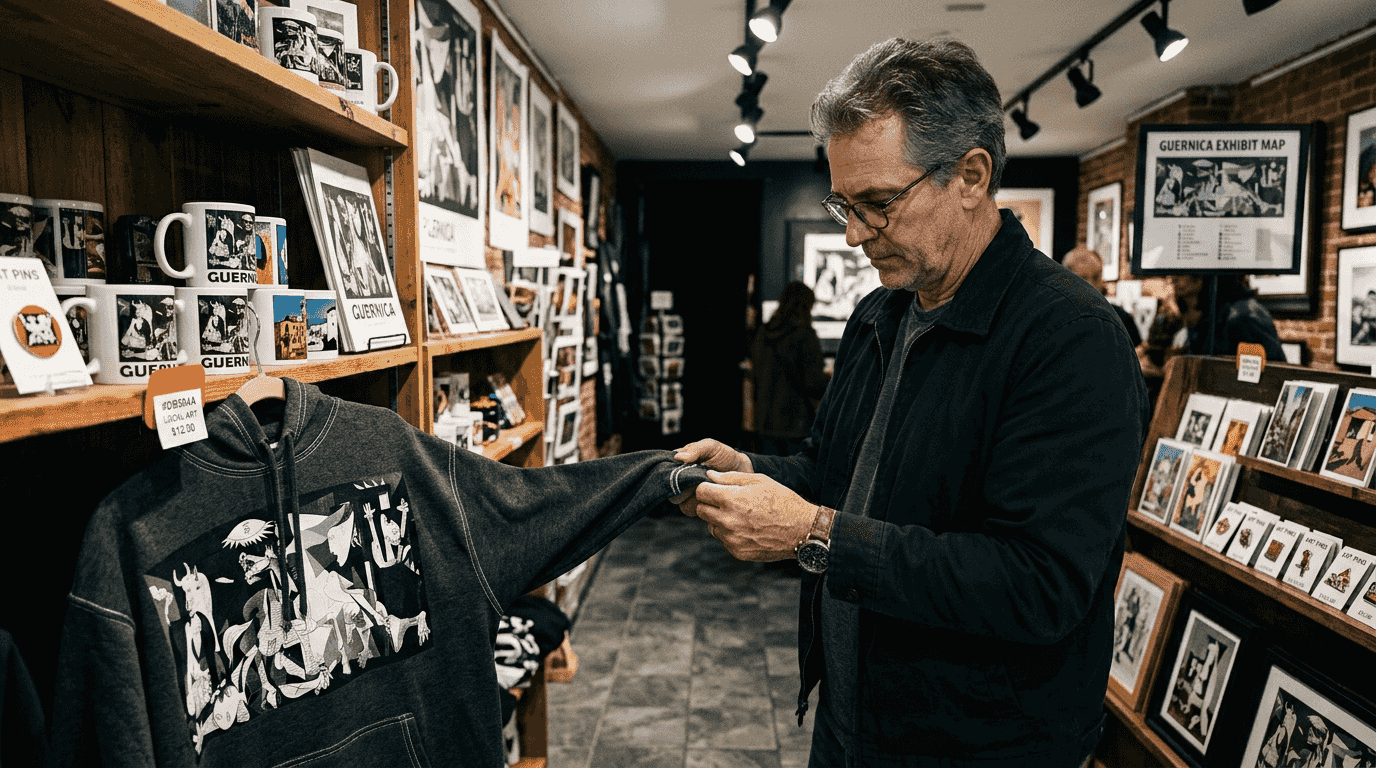
Picasso’s art influenced numerous cultural fields including literature, design, fashion, and politics, making his work a symbol of innovation beyond just painting. His creative output inspired civil rights movements, feminist discourse, and anti-authoritarian protests worldwide. Artists and activists recognized his visual language as a tool for social commentary.
Merchandise often reflects these themes as cultural expression rather than simple decoration. A hoodie with Cubist patterns isn’t just trendy. It represents a lineage of artistic rebellion against established norms and restrictive thinking. Collectors understand that wearing Picasso connects them to larger historical conversations.
Collectors seek emotional and ideological connection through items that resonate with their values. Someone purchasing a Guernica-inspired poster isn’t decorating empty wall space. They’re making a statement about peace, humanity, and the role art plays in confronting injustice. This depth separates meaningful merchandise from generic products.
Modern art merchandise trends show increasing demand for items with authentic cultural weight. Buyers want stories, not just designs. They crave connections to artists who challenged systems and expanded human consciousness through creative vision.
Cultural impacts reflected in merchandise:
- Anti-war symbolism from Guernica and related works
- Feminist themes exploring female form and identity
- Political commentary on power structures and authority
- Social justice messages embedded in visual narratives
- Human rights advocacy through accessible artistic expression
How Picasso merchandise integrates into fashion and pop culture
Geometric and abstract motifs influence clothing and accessories design across contemporary fashion. High-end designers regularly reference Picasso’s visual vocabulary in runway collections. Streetwear brands incorporate his bold patterns into casual wear. His aesthetic transcends traditional art world boundaries.
Picasso’s style has directly influenced fashion and design industries, enriching textiles and pop culture apparel with his geometric patterns and bold forms. Fashion houses from Versace to independent creators draw inspiration from his color theory and compositional techniques. His legacy lives in every graphic tee featuring abstract faces.
Merchandise models Picasso’s evolving styles to appeal to diverse tastes and preferences. Blue Period items attract buyers seeking emotional depth and introspection. Rose Period designs appeal to those preferring warmer, romantic aesthetics. Cubist merchandise targets bold personalities wanting statement pieces.
Items serve both art enthusiasts and pop culture fans seeking originality in oversaturated markets. You don’t need a degree in art history to appreciate a well-designed Picasso hoodie. The visual impact speaks immediately, while deeper knowledge enhances appreciation. This dual appeal expands his influence across demographics.
Fashion pieces provide wearable art with cultural resonance that sparks conversation. Wearing Picasso-inspired apparel invites dialogue about creativity, history, and personal expression. These items function as social bridges connecting like-minded individuals who value artistic depth. The intersection of style impact trends in art merchandise with pop culture design expressions creates exciting opportunities for personal style.
Fashion integration highlights:
- Runway collections referencing Cubist composition techniques
- Streetwear brands adapting Picasso’s bold graphic language
- Accessories featuring period-specific color palettes
- Collaborative designs merging contemporary and classical elements
- Celebrity endorsements bringing Picasso aesthetics to mainstream audiences
Why quality matters in Picasso merchandise
High-resolution prints retain artistic texture and emotional impact that cheap reproductions lose completely. When geometric lines blur or colors fade, the entire visual message deteriorates. Quality printing preserves the sharp contrasts and precise angles that define Picasso’s revolutionary techniques.
Owning Picasso merchandise allows collectors to engage with textured and layered artistic qualities absent in prints, providing a personal connection to his revolutionary vision. Premium materials elevate merchandise from disposable fashion to lasting collectibles. Cotton blends that hold shape, vibrant inks that resist fading, and careful construction all matter.
Exclusive items foster deeper connection between buyer and artist through scarcity and intentional design. Limited editions create communities of collectors who share appreciation for specific works or periods. This exclusivity isn’t about elitism but about preserving artistic integrity in commercial contexts.
Quality craftsmanship differentiates authentic merchandise from mass products flooding discount retailers. Generic Picasso knockoffs undermine his legacy by reducing complex artistry to cheap decoration. Curated pieces from reputable sources honor the original works while making them accessible through modern art merchandise channels.
Authenticity protects value and buyer satisfaction over time. A well-made Picasso t-shirt remains vibrant after dozens of washes. A carefully printed poster maintains visual impact for years. These quality differences transform purchases from impulse buys into meaningful additions to personal collections. Consider exclusive high-quality merchandise that demonstrates proper production standards.
Pro Tip: Always check for artist estate licensing or official partnerships when purchasing Picasso merchandise. Legitimate sellers display clear authorization, ensuring your purchase supports proper artistic stewardship rather than unauthorized reproduction.
Quality indicators:
- Artist estate licensing clearly displayed
- High-resolution printing maintaining sharp detail
- Premium materials with proper weight and texture
- Color accuracy matching original artwork palettes
- Construction quality ensuring longevity and wearability
Common misconceptions about Picasso merchandise
Many people mistakenly believe Picasso merchandise is just decorative, lacking deeper meaning or cultural significance. Reality proves otherwise. Each properly curated piece embodies historical moments, political statements, and artistic breakthroughs that shaped modern culture. Dismissing these items as mere decoration ignores their educational and emotional value.
Another widespread misconception suggests all Picasso merchandise is mass-produced in factories with no quality control. While cheap knockoffs certainly exist, curated collections emphasize exclusivity and authenticity through limited runs and careful production oversight. Reputable sellers partner with artist estates to ensure proper representation.
Some buyers assume any Picasso image printed on fabric or paper qualifies as legitimate merchandise. Copyright and licensing complexities mean unauthorized reproductions flood markets. Authentic merchandise requires proper agreements with the Picasso estate, protecting both artistic legacy and buyer investment.
Price alone doesn’t guarantee quality or authenticity in Picasso merchandise markets. Expensive items can still feature poor printing or unauthorized designs. Conversely, some affordable pieces from legitimate sources offer excellent value. Understanding provenance, materials, and production methods matters more than price tags.
Recognizing these misconceptions helps buyers make informed choices aligned with their collecting goals. Education separates meaningful purchases from regrettable impulse buys. Taking time to research sellers, verify licensing, and examine quality pays dividends in satisfaction and long-term value.
- Picasso merchandise carries profound cultural, political, and artistic significance beyond simple decoration or aesthetic appeal.
- Quality and authenticity vary dramatically between authorized, curated merchandise and mass-produced knockoffs lacking proper licensing.
- Price doesn’t always correlate with value, requiring buyers to evaluate materials, provenance, and production standards independently.
- Understanding the historical context behind featured designs transforms merchandise from clothing into wearable cultural commentary.
- Authentic merchandise supports proper artistic stewardship, ensuring the Picasso estate receives appropriate recognition and compensation.
Versatility of Picasso’s artistic legacy in merchandise
Picasso’s Blue Period (1901-1904) introduced melancholic blue tones evoking emotion and introspection in merchandise designs. These somber hues attract buyers seeking thoughtful, contemplative aesthetics. Clothing featuring Blue Period motifs communicates sensitivity and artistic depth that resonates with certain personalities.
The Rose Period (1904-1906) brought warm palette additions, incorporating pinks, oranges, and earth tones that add softness and romance to designs. This transition reflected Picasso’s improving personal circumstances and emotional state. Merchandise from this period appeals to collectors preferring gentler, more optimistic visual themes.
Cubism (1907-1919) introduced bold geometric abstraction that remains Picasso’s most recognizable contribution to modern art. Sharp angles, fragmented perspectives, and revolutionary composition techniques create striking contemporary designs. Cubist merchandise targets confident individuals wanting statement pieces that command attention.
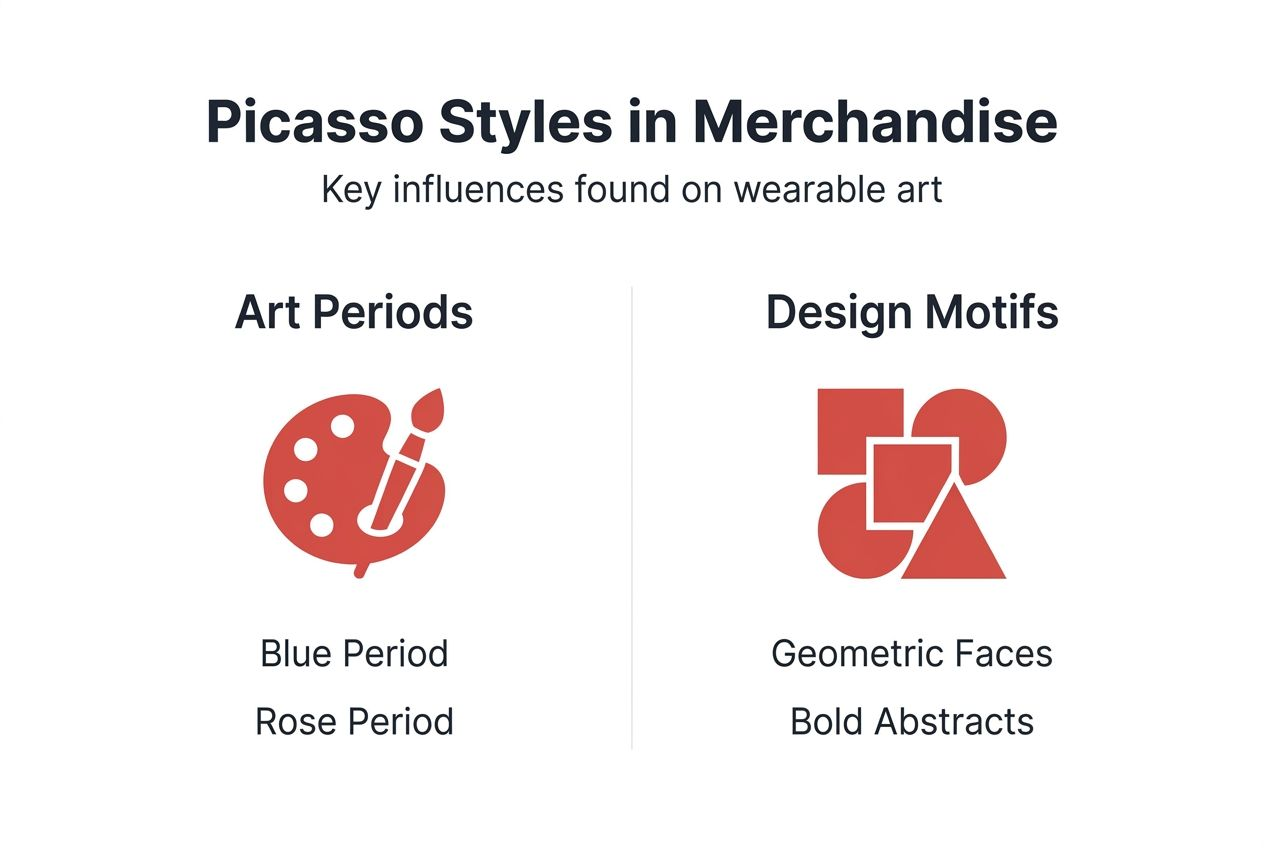
Surrealism elements appearing in later works reflect imaginative, dreamlike qualities in select items. These pieces blur boundaries between reality and fantasy, offering merchandise with mysterious, thought-provoking visual narratives. Collectors interested in psychological depth gravitate toward these designs.
Merchandise selection can reflect personal aesthetic preferences and emotional resonance with specific periods. Understanding these distinctions helps buyers choose items matching their individual style and values. Each period offers unique entry points into Picasso’s vast creative universe.
| Period | Timeframe | Key Characteristics | Merchandise Appeal |
|---|---|---|---|
| Blue Period | 1901-1904 | Melancholic blues, themes of poverty and isolation | Introspective buyers seeking emotional depth |
| Rose Period | 1904-1906 | Warm pinks and oranges, circus and harlequin themes | Collectors preferring romantic, gentle aesthetics |
| Cubism | 1907-1919 | Geometric abstraction, multiple perspectives, fragmented forms | Bold personalities wanting striking statement pieces |
| Surrealism | 1920s-1930s | Dreamlike imagery, psychological exploration | Buyers interested in mysterious, thought-provoking designs |
Economic and cultural ecosystem of Picasso merchandise
Over 10 million visitors annually tour Picasso museums and exhibitions worldwide, creating sustained demand for related merchandise. Major institutions in Paris, Barcelona, and Málaga maintain permanent collections attracting art enthusiasts year-round. These visitors seek tangible connections to experiences through purchases.
Cultural tourism boosts merchandise appeal and accessibility by connecting physical spaces with commercial opportunities. Museum shops offer curated selections unavailable elsewhere. Online platforms extend reach beyond geographic limitations, allowing global audiences to acquire authentic pieces. This ecosystem sustains continuous interest across generations.
Collectors and fans fuel a vibrant market for licensed and curated items spanning price points and product categories. From affordable posters to premium apparel, options accommodate diverse budgets while maintaining quality standards. Secondary markets for rare or discontinued items demonstrate lasting value beyond initial purchases.
This ecosystem sustains Picasso’s artistic influence beyond galleries through commercial channels that democratize access. Not everyone can afford original paintings or visit European museums. Merchandise provides alternative pathways for engagement with his revolutionary vision. These items serve educational and inspirational purposes in homes worldwide.
The custom promotional products ecosystem demonstrates how cultural properties translate into commercial success through proper licensing and quality control. Picasso merchandise represents a mature market balancing artistic integrity with accessibility.
Ecosystem drivers:
- Museum partnerships creating exclusive merchandise collections
- Cultural tourism generating consistent demand from global visitors
- Online platforms expanding accessibility beyond physical locations
- Collector communities maintaining secondary markets and value
- Educational programs using merchandise as teaching tools
Bringing Picasso’s legacy home: practical guide for buyers
Verifying artist licensing and provenance ensures authenticity before committing to purchases. Legitimate sellers display clear partnerships with the Picasso estate or authorized distributors. Documentation matters when building collections with lasting value. Don’t hesitate to request proof of authorization.
Prioritize craftsmanship and high-quality materials over price alone when evaluating options. Examine printing resolution, fabric weight, and construction details. Compare similar items across sellers to understand quality differences. Investment in better merchandise pays dividends through longevity and satisfaction.
Understand the historical significance behind featured designs to deepen personal connection with purchases. Research which period or specific work inspired each item. This knowledge transforms merchandise from decoration into conversation pieces with educational value. Context matters as much as aesthetics.
Choose merchandise that resonates with your style and cultural appreciation rather than following trends blindly. Authentic collecting reflects personal values and aesthetic preferences. Items should enhance your existing wardrobe or collection, not compete with your established taste. Trust your instincts about what truly speaks to you.
Avoid common pitfalls like ignoring authenticity or undervaluing meaning in pursuit of bargains. Cheap knockoffs might save money initially but provide neither lasting satisfaction nor proper artistic representation. Patience in finding quality pieces outweighs impulsive purchases of inferior products.
- Verify seller credentials and artist estate licensing before making purchases to ensure authenticity and proper authorization.
- Examine materials, printing quality, and construction details to assess craftsmanship standards and long-term durability.
- Research the historical context and artistic period behind featured designs to enhance personal connection and appreciation.
- Select pieces matching your existing aesthetic preferences and style rather than chasing temporary trends or popularity.
- Compare options across multiple reputable sellers to understand quality variations and fair pricing in the marketplace.
Pro Tip: Start your collection with pieces from a single Picasso period that resonates emotionally. Building focused collections around Blue, Rose, or Cubist aesthetics creates visual coherence while demonstrating intentional curation rather than random accumulation.
Discover exclusive Picasso merchandise at Art-O-Rama Shop
Art-O-Rama Shop offers curated collections of authentic Picasso merchandise celebrating his revolutionary artistic legacy through fashion and collectibles. Each item features high-resolution printing that preserves the geometric precision and bold color contrasts defining his groundbreaking techniques. From t-shirts to hoodies, every piece connects wearers to cultural history.
Explore exclusive designs that honor Picasso’s diverse periods, from melancholic Blue aesthetics to explosive Cubist abstractions. Limited edition items provide collectors with rare pieces unavailable through mass retailers. Quality materials ensure your merchandise maintains visual impact through years of wear and display.
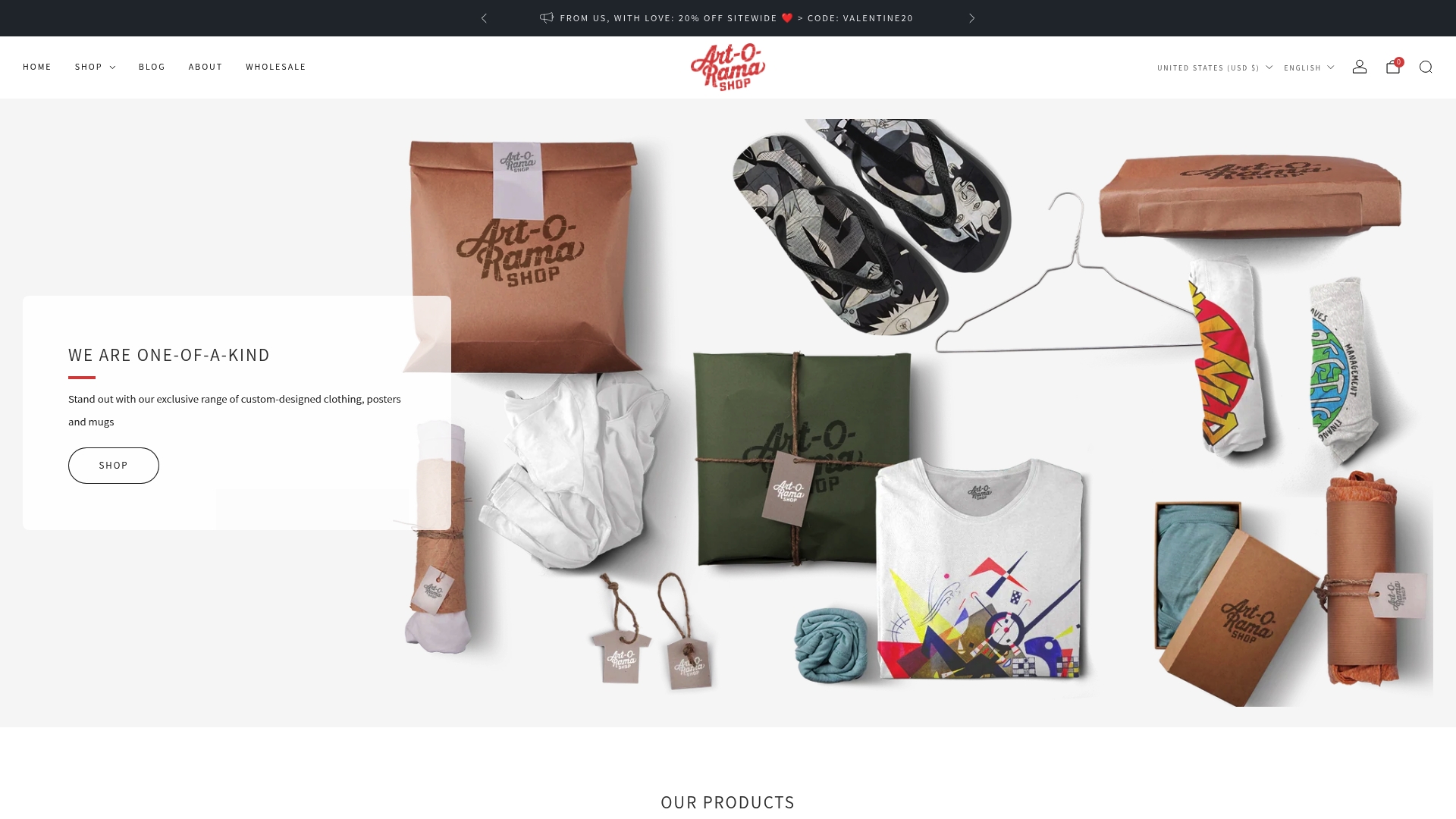
Whether you’re an experienced collector or discovering Picasso’s influence for the first time, Art-O-Rama Shop provides authentic pieces that transform appreciation into tangible expression. Browse collections designed for art enthusiasts who value meaning alongside style.
Frequently asked questions
What makes Picasso merchandise different from generic art products?
True Picasso merchandise carries artist estate licensing, ensuring authenticity and quality standards that honor his creative legacy. Each properly authorized piece connects to specific works, periods, or techniques that changed art history. Generic products lack this cultural depth and historical significance, offering only surface-level visual appeal without meaningful context or proper artistic stewardship.
How can I verify the authenticity of Picasso merchandise?
Check for clear artist licensing or official estate partnerships displayed by sellers before purchasing any items. Examine materials and printing quality, as authentic merchandise uses premium fabrics and high-resolution imaging techniques. Avoid suspiciously low prices or mass-produced appearances that suggest unauthorized reproduction rather than legitimate, curated collections from reputable sources.
Why do Picasso merchandise items often have political or cultural themes?
Picasso’s works like Guernica symbolize powerful anti-war messages and cultural commentary that merchandise preserves and celebrates. His art addressed social justice, human rights, and political conflicts throughout his career. Merchandise reflecting these themes honors his legacy as an artist who used creativity to challenge authority and advocate for humanity, making items culturally significant beyond aesthetic value.
Can I wear Picasso merchandise as everyday fashion?
Picasso merchandise works beautifully as everyday fashion, combining artistic depth with contemporary style for versatile wardrobe additions. Geometric patterns and bold abstractions add unique visual interest to casual outfits while sparking conversations about creativity and culture. Modern art merchandise style trends show increasing popularity of artist-inspired apparel across demographics and occasions.

