

Why Choose Art Apparel: Express Style and Identity
Feb 24, 2026
Choosing what to wear can feel routine until you discover art apparel that blurs the line between fashion and creative expression. For art lovers and pop culture fans, standard clothing often lacks the depth to reflect real artistic identity. With art movements like Impressionism and Pop Art shaping design, art apparel becomes more than just a look—it is a statement of originality and cultural narrative that transforms your everyday style into a personal gallery.
Table of Contents
- What Makes Art Apparel Unique
- Popular Styles and Artistic Influences
- How Art Apparel Showcases Personal Identity
- Exclusivity, Quality, and Value Compared
- Common Mistakes When Buying Art Apparel
Key Takeaways
| Point | Details |
|---|---|
| Art Apparel as Wearable Art | Art apparel uniquely combines creativity and functionality, acting as a portable gallery that expresses personal artistic narratives. |
| Emphasis on Authenticity | Genuine art apparel reflects real artistic intention, ensuring deeper connections between the wearer and the creative expression. |
| Intentional Selection | Choosing art apparel should be based on personal resonance and genuine engagement with artistic movements, not fleeting trends. |
| Investing in Quality | Art apparel retains value through its exclusivity and cultural significance, making it a worthwhile investment compared to mass-produced fashion. |
What Makes Art Apparel Unique
Art apparel stands apart from standard fashion through a fundamental fusion of creativity and wearability. Unlike mass-produced clothing, art-inspired pieces embed actual artistic vision—translating masterpieces and contemporary designs into garments that function as portable galleries. You’re not just wearing fabric; you’re wearing a statement.
The wearable art movement transforms how clothing communicates. Traditional fashion follows trends; art apparel follows artistic movements. When you wear a Picasso-inspired design, you’re participating in a visual conversation about Cubism, abstraction, and creative rebellion. Art trends shape fashion design by introducing originality and cultural narratives that distinguish authentic art apparel from generic graphic tees.
The Artistic Authenticity Factor
Real art apparel draws from genuine artistic sources. Pieces featuring works by legendary artists like Matisse, Banksy, or contemporary creators carry the weight of actual artistic intent. This authenticity creates a deeper connection between wearer and artwork.
Key distinctions include:
- High-resolution printing that captures original artwork’s nuance and color fidelity
- Limited edition collections preventing mass duplication and maintaining exclusivity
- Artist collaboration ensuring designs honor the creator’s original vision
- Thematic curation organizing pieces by artist or art movement for meaningful selection
When you select art apparel thoughtfully, you’re supporting the artistic narrative, not just purchasing another shirt.
Exclusivity Through Design Partnerships
Luxury collaborations between brands and artists elevate clothing beyond everyday wear into collectible pieces. These partnerships combine premium craftsmanship with cultural innovation, creating garments that function as artistic statements rather than disposable fashion.
This approach delivers:
- Prestige through association with recognized artists and movements
- Quality craftsmanship matching artistic vision with durable, beautiful construction
- Cultural significance embedding deeper meaning into your personal style
- Investment value where exceptional pieces retain relevance across seasons
Your wardrobe becomes a curated collection of moments, movements, and creative expressions.
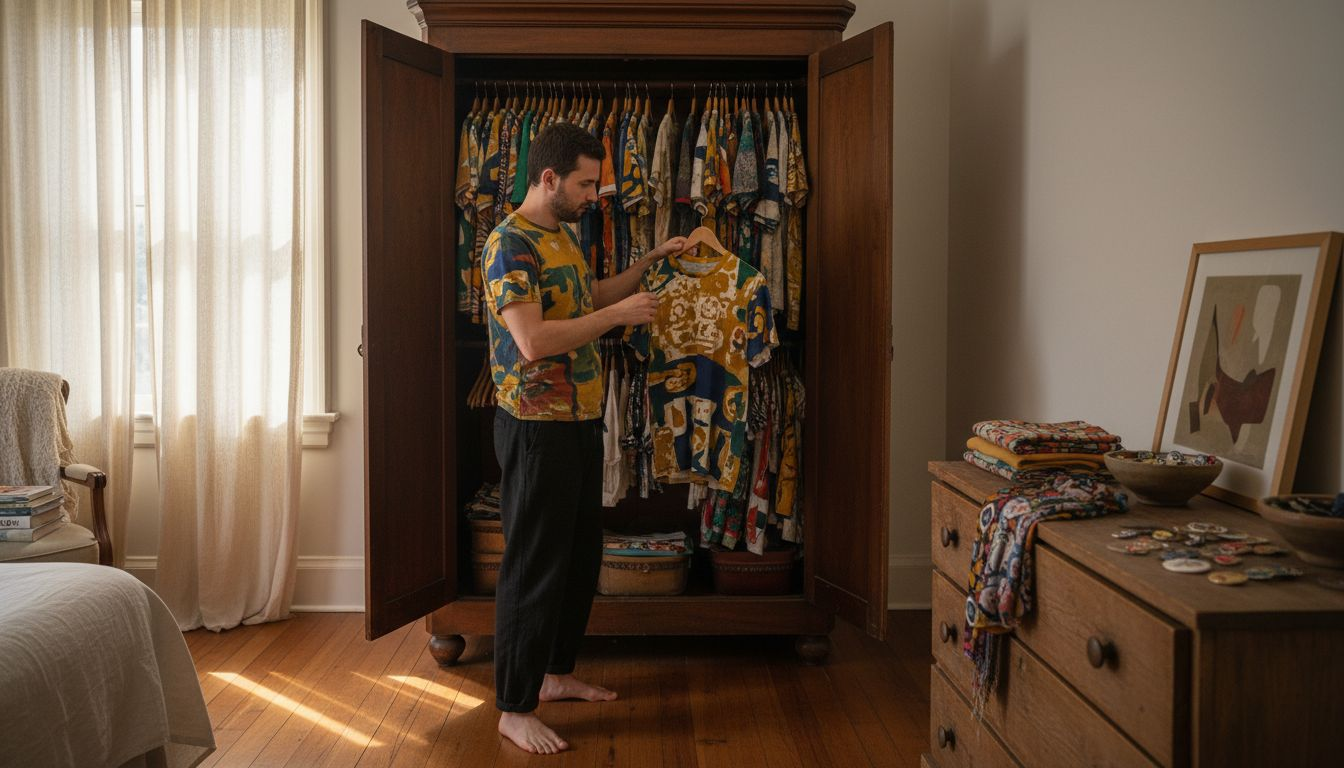
Personal Identity Through Artistic Expression
Art apparel lets you communicate who you are without speaking. A Banksy hoodie signals appreciation for socially conscious art. A Matisse-inspired piece conveys sophistication and color appreciation. Each selection reflects your aesthetic sensibilities and artistic tastes.
This is where how to choose art apparel strategically matters—selecting pieces that genuinely resonate with your artistic identity, not just current trends.
Authentic art apparel transforms your wardrobe from functional clothing into a visual biography of your creative influences.
Pro tip: When selecting art apparel, consider pieces that align with artistic movements or artists you’ve genuinely engaged with—museum visits, research, personal study—rather than choosing based solely on aesthetic appeal. This intentionality deepens your connection to the piece and creates more meaningful personal style.
Popular Styles and Artistic Influences
Art apparel draws inspiration from centuries of creative movements, each bringing distinct visual languages to modern clothing. These artistic influences shape everything—from color choices to geometric patterns to thematic symbolism. Understanding what drives these styles helps you select pieces that genuinely resonate with your aesthetic identity.
Historic Art Movements in Modern Fashion
Art movements influence fashion design by introducing symbolic meaning and visual aesthetics into clothing design. Historic movements remain incredibly relevant to contemporary apparel:
- Impressionism brings soft color palettes, naturalistic themes, and emotional immediacy to designs
- Art Deco contributes geometric patterns, luxurious materials, and bold symmetry
- Surrealism introduces dreamlike imagery, unexpected juxtapositions, and imaginative storytelling
- Cubism features fragmented perspectives, angular forms, and multi-viewpoint composition
Each movement carries its own cultural narrative, allowing you to wear art history itself.
Contemporary Artistic Styles Shaping Today’s Apparel
Modern art influences extend beyond museum walls into streetwear and digital design. Fashion evolution reflects contemporary street art influences that celebrate both heritage and innovation, creating designs that feel current while maintaining artistic depth.
Today’s most popular influences include:
- Pop Art with vibrant colors, commercial imagery, and bold graphic statements
- Street Art featuring urban aesthetics, stencil techniques, and socially conscious messages
- Digital Art incorporating abstract generative designs and futuristic visual elements
- Abstract Expressionism emphasizing gestural marks, color intensity, and emotional expression
Why Artistic Movements Matter to Your Style
Choosing pieces inspired by specific movements isn’t random—it’s intentional self-expression. When you wear Impressionist-influenced apparel, you’re signaling an appreciation for atmosphere and emotion. A Pop Art piece communicates boldness and cultural awareness. These choices communicate your aesthetic values without words.
Your wardrobe becomes a visual statement about the artistic movements and creative philosophies that resonate with who you are.
Building a Cohesive Artistic Wardrobe
You don’t need to commit to a single movement. Many people blend influences across apparel, creating personal collections that reflect evolving tastes. Modern art shapes contemporary style by allowing designers and wearers to honor classical aesthetics while embracing current creative directions.
Consider these complementary pairings:
- Vintage + Contemporary: Pair classic Art Deco pieces with modern digital art designs for temporal depth
- Subtle + Statement: Mix quieter Impressionist pieces with bold Pop Art items for visual balance
- Movement + Mood: Select pieces that share color palettes or thematic elements, even from different artistic eras
This approach creates a wardrobe that feels intentional and personally meaningful.
Pro tip: Research the specific artistic movements that genuinely interest you—visit museums, explore artist biographies, read about historical context—before selecting apparel inspired by those styles. This knowledge deepens your connection to each piece and ensures your choices reflect authentic appreciation rather than surface-level aesthetics.
How Art Apparel Showcases Personal Identity
Your clothing tells a story about who you are before you speak a single word. Art apparel transforms this silent communication into something powerful—a visible declaration of your values, creativity, and individuality. When you choose pieces intentionally, you’re not just dressing; you’re crafting your identity.
The Psychology of Self-Expression Through Clothing
Clothing serves as embodied cognition and self-presentation, reflecting your true self, ideal self, and creative self simultaneously. Art apparel specifically enables this multi-layered self-expression by allowing you to communicate personality, beliefs, and values visibly through what you wear.
Consider what your current wardrobe says:
- True self: Pieces that align with your authentic preferences and comfort level
- Ideal self: Aspirational choices that represent who you want to become
- Creative self: Bold selections that showcase your artistic sensibilities and imagination
Art apparel excels at bridging these versions because it’s inherently meaningful.
Communicating Uniqueness and Cultural Background
When you select art-inspired apparel, you’re communicating far more than aesthetic preference. Fashion choices convey personality and cultural identity by allowing you to differentiate yourself while reflecting socio-cultural influences that matter to you.
This communication happens through:
- Artist selection: Choosing Banksy signals social awareness; selecting Matisse suggests appreciation for color and form
- Movement affiliation: Pop Art wearers express boldness; Surrealism enthusiasts signal imaginative thinking
- Color and style combinations: Your specific palette choices reflect mood, heritage, and personal narrative
- Frequency of wearing: Which pieces you rotate most reveal your core identity values
Building a Wardrobe That Reflects Your Authentic Self
Authentic personal style emerges when your clothing choices align with your actual beliefs and interests, not fleeting trends. Art apparel supports this because each piece carries genuine artistic meaning rather than hollow commercial messaging.
Your selections function as visual autobiography—a wearable timeline of your evolving interests, artistic discoveries, and personal growth. A Picasso piece you bought at twenty means something different at thirty when you’ve studied art history. That shift is visible, tangible, and authentic.
The most powerful personal style emerges when your wardrobe tells a coherent story about who you genuinely are.
Why Art Apparel Creates Stronger Identity Expression
Standard fashion communicates status or trends. Art apparel communicates conviction. Art-inspired fashion enables unique aesthetic choices that differentiate you while reflecting genuine creative values rather than algorithmic trends designed by marketing departments.
This distinction matters because:
- You’re wearing work created by actual artists, not generic designs
- Each piece carries historical and cultural significance beyond fashion cycles
- Your choices require deliberate engagement with artistic movements and creators
- The resulting wardrobe feels intentional rather than algorithmic
When strangers notice your apparel, they’re noticing something authentic about you, not a trend.
Pro tip: Before adding art apparel to your wardrobe, spend time understanding the artist, movement, or creative concept behind the design. Research their background, explore their philosophy, and ask yourself if the piece genuinely aligns with your values. This intentionality transforms clothing from mere consumption into authentic self-expression that strengthens your personal identity.
Exclusivity, Quality, and Value Compared
Art apparel occupies a distinct market position—it’s not fast fashion, and it’s not standard luxury. The difference lies in how exclusivity, quality, and value intertwine. Understanding these distinctions helps you recognize why art apparel commands premium pricing and delivers measurable returns on your investment.
What Makes Art Apparel Exclusive
Exclusivity and rarity define luxury perceptions by establishing limited availability, artist collaborations, and restricted accessibility that enhance perceived value. Unlike mass-produced fashion, genuine art apparel operates under scarcity principles—there’s only so much supply of a Picasso-inspired limited edition before it’s gone permanently.
Exclusivity manifests through:
- Limited edition collections capping production numbers to preserve rarity
- Artist-specific partnerships ensuring designs reflect genuine creative vision
- Seasonal releases preventing permanent availability and overcirculation
- Restricted artist access making collaborations rare events rather than ongoing commodities
This scarcity creates authentic demand rather than manufactured hype.
Quality Beyond Craftsmanship
When evaluating art apparel quality, look beyond stitching and fabric weight. Quality encompasses artistic innovation, cultural significance, and historical context. A shirt featuring a Matisse painting carries inherent quality because Matisse’s work carries artistic weight built over decades.
Quality markers include:
- High-resolution printing that honors original artwork’s color fidelity and detail
- Premium fabric selection ensuring longevity and comfort across seasons
- Artistic authenticity using genuine works, not generic reproductions
- Cultural relevance selecting pieces with lasting artistic importance
This multi-dimensional quality positions art apparel as premium products with unique value propositions.
The Real Value Proposition
Art-based brand strategies communicate exclusivity through collaborations, limited editions, and curated marketing that reinforce artistic identity and cultural worth. This strategy maintains desirability by ensuring each piece holds both functional and collectible value.
Compare these value types:
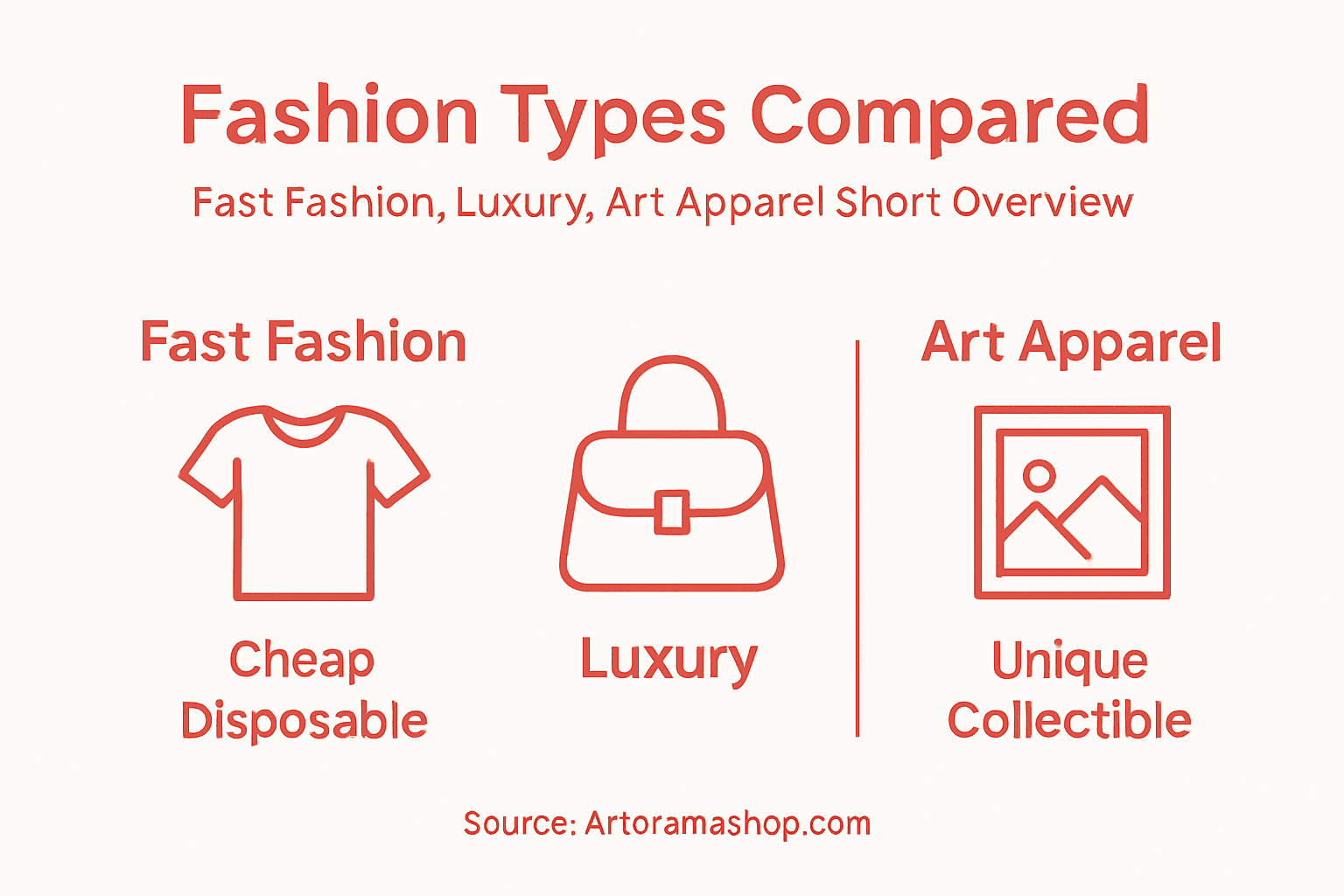
Fast Fashion: Low price, rapid obsolescence, zero cultural significance. You wear it briefly, discard it, repeat endlessly.
Standard Luxury: High price, status signaling, minimal lasting meaning. You pay for the brand name, not authentic artistry.
Art Apparel: Moderate-to-premium pricing, lasting cultural relevance, collectible potential. You invest in artistic expression that appreciates emotionally and often financially.
Here’s a quick comparison of key ways art apparel differs from other types of clothing:
| Aspect | Fast Fashion | Standard Luxury | Art Apparel |
|---|---|---|---|
| Creative Source | Trend-driven prints | Designer logos | Artist collaborations |
| Value Retention | Rapid depreciation | Seasonal relevance | Cultural appreciation |
| Emotional Connection | Impulse or short-term | Status signaling | Personal narrative |
| Investment Appeal | Minimal | Occasional | Collectible potential |
Why Art Apparel Retains Value
Your art apparel collection doesn’t depreciate like conventional clothing. Pieces featuring established artists or significant art movements actually gain relevance as you deepen your artistic knowledge. A Pop Art piece you purchased five years ago becomes more meaningful as contemporary culture revisits Pop Art influences.
Art apparel functions as wearable investment—pieces hold emotional, cultural, and sometimes financial value across years and decades.
This retention occurs because:
- Limited quantities mean fewer pieces exist as time passes
- Artistic movements gain historical significance over time
- Cultural awareness of specific artists deepens collector interest
- Authenticity becomes increasingly valuable in oversaturated markets
You’re not just purchasing clothing; you’re acquiring pieces with staying power.
Pro tip: When evaluating art apparel pricing, research the artist’s background, exhibition history, and cultural impact rather than comparing prices to mainstream fashion. Calculate value by considering limited availability, artistic authenticity, and collectible potential—metrics that reveal why premium pricing reflects genuine investment, not just brand markup.
Common Mistakes When Buying Art Apparel
Purchasing art apparel requires more intentionality than grabbing a trend-driven graphic tee. Many first-time buyers make preventable errors that lead to dissatisfaction, poor investments, and pieces they rarely wear. Recognizing these pitfalls helps you make decisions you’ll genuinely stand behind.
Skipping Artist Research and Provenance
The most costly mistake is buying without understanding what you’re actually purchasing. Common art buying errors include insufficient research on artists and artwork provenance, leading to purchases that don’t align with your values or interests.
Before committing, research:
- Artist background: Who created the work? What’s their artistic philosophy and history?
- Artwork context: Where does this piece fit within the artist’s body of work and broader movements?
- Artistic significance: Why does this work matter culturally or historically?
- Design authenticity: Is the apparel featuring genuine artwork or a generic interpretation?
Skipping this step means you’re purchasing based on aesthetics alone, missing the deeper meaning that makes art apparel valuable.
Chasing Trends Over Personal Connection
Art apparel loses its power when you select pieces for investment potential or trend relevance rather than genuine personal resonance. A Banksy piece means nothing if you don’t appreciate socially conscious street art. Pop Art should excite you, not just look good on Instagram.
The strongest art apparel collections reflect authentic artistic interests, not algorithmic trend predictions.
Avoid purchasing based on:
- Perceived investment value: “This will be rare someday”
- Current popularity: “Everyone’s wearing this artist right now”
- Social signals: “This looks impressive to others”
- Price as quality marker: “It’s expensive, so it must be good”
Instead, ask: Does this artwork genuinely move me? Would I care about this in five years?
Neglecting Authenticity Verification
Not verifying authenticity remains a critical purchasing mistake, leading to inauthentic pieces that damage both your wardrobe and wallet. Genuine art apparel uses licensed artwork or direct artist collaborations; imitations use unauthorized reproductions.
Verify authenticity by:
- Confirming artist or rights holder licensing on product pages
- Checking for official collaboration announcements
- Researching seller credibility and reputation
- Looking for documentation and provenance information
Impulse Purchasing Without Reflection
Rushing decisions undermines intentional curation. Legitimate art apparel deserves a waiting period—spend time with the image, research the artist, consider how it fits your existing wardrobe. Proper styling decisions require understanding art movement aesthetics, which impulse purchases never achieve.
Implement a 48-hour rule before buying. Sleep on it. Revisit the piece. Does it still resonate?
Ignoring Budget and Overspending
Buyers often neglect proper budgeting, leading to overspending on pieces that don’t justify their cost. Premium pricing should reflect genuine artistic value, exclusivity, and quality—not arbitrary brand markup.
Before purchasing, establish:
- Monthly art apparel budget allocation
- Price-to-value expectations
- Quality standards you’ll accept
- Cost-per-wear calculations for investment justification
Quality art apparel costs more, but it shouldn’t devastate your finances or create guilt.
The following table summarizes common mistakes and ways to avoid them when buying art apparel:
| Mistake | Why It Happens | How to Avoid |
|---|---|---|
| Skipping artist research | Lack of background check | Explore the artist’s history |
| Following trends only | Chasing popularity | Pick based on personal taste |
| Ignoring authenticity | Overlooking verification | Buy from reputable sources |
| Impulse purchasing | Buying too quickly | Use a reflection period |
| Neglecting budget limits | Underestimating costs | Set and track a spending plan |
Pro tip: Create a wishlist of art apparel pieces you’re genuinely interested in, then wait at least two weeks before purchasing. Use this time to research the artist, verify authenticity, check reviews, and confirm the piece aligns with your personal aesthetic—this reflection period eliminates impulse regret and ensures every purchase strengthens your collection intentionally.
Express Your Unique Identity with Exclusive Art Apparel
Choosing art apparel is more than just picking stylish clothing. It is about embracing authenticity, showcasing cultural narratives, and making a personal statement rooted in genuine artistic expression. If you are ready to move beyond fast fashion and generic designs, discover how limited edition collections and artist collaborations create wearable masterpieces that reflect who you genuinely are.
Browse our curated selection of handpicked apparel at Artoramashop.com where every piece carries artistic authenticity and cultural significance. Explore thematic collections inspired by iconic artists and movements to find exclusive designs that resonate deeply with your personal style. Start building a wardrobe that tells your story today and enjoy fast shipping on high-quality, art-inspired clothing that turns heads and sparks conversations.
Frequently Asked Questions
What is art apparel?
Art apparel refers to clothing that integrates actual artwork, transforming garments into wearable art pieces that reflect creativity and artistic vision.
How does art apparel differ from standard fashion?
Unlike standard fashion, which often follows trends, art apparel is inspired by historical and contemporary art movements, making it a unique expression of personal style and identity.
Why is the authenticity of art apparel important?
Authenticity ensures that the piece reflects genuine artistic intent and carries cultural significance, creating a deeper connection between the wearer and the artwork.
What factors contribute to the exclusivity of art apparel?
Exclusivity in art apparel is achieved through limited edition collections, collaborations with recognized artists, and preventing mass duplication, making these pieces unique and collectible.
Recommended
- How to Choose Art Apparel for Unique Style Expression – Art-O-Rama Shop
- Art Movement Clothing Guide: Style Iconic Apparel Easily – Art-O-Rama Shop
- How to Display Art Apparel for Maximum Impact – Art-O-Rama Shop
- Art-Inspired Fashion Explained: Why It Matters Now – Art-O-Rama Shop
- How to Style Men’s Designer Sweatshirts for Any Occasion – The Regimental Store Ltd

