

Advantages of art-inspired home decor for unique spaces
Mar 17, 2026
Choosing art-inspired decor for your home goes beyond aesthetics. It shapes your emotional well-being and reflects your personality in ways mass-produced pieces never could. Yet many struggle with generic prints that feel impersonal or overwhelming displays that create visual chaos rather than calm. Understanding the proven advantages of thoughtfully curated art-inspired decor helps you transform your living space into an authentic sanctuary that actively supports your mental health while expressing who you are.
Table of Contents
- How Art-Inspired Home Decor Boosts Emotional Well-Being
- Why Biophilic And Nature-Inspired Art Offers Unique Mental Health Benefits
- How To Curate Art-Inspired Decor That Stays Unique And Engaging
- Balancing Art Intensity To Prevent Clutter While Maximizing Impact
- Explore Unique Art-Inspired Decor At Art-O-Rama
- Frequently Asked Questions About Art-Inspired Home Decor
Key takeaways
| Point | Details |
|---|---|
| Emotional boost | Art-inspired decor reduces cortisol by 15-20% and activates brain reward centers for mood regulation. |
| Nature connection | Biophilic art significantly lowers depression and anxiety symptoms over sustained periods. |
| Personal authenticity | Original or emerging artist pieces prevent the impersonal feel of mass-produced decor. |
| Strategic rotation | Changing art displays prevents visual fatigue while maintaining stimulation and freshness. |
| Balanced curation | Proper scale and selective placement maximize impact without creating clutter or overwhelm. |
How art-inspired home decor boosts emotional well-being
The connection between art and mental health runs deeper than you might expect. Neuroaesthetics research reveals that viewing art activates the same pleasure centers in your brain as falling in love or eating chocolate. When you display pieces that resonate with you, your brain releases dopamine and triggers reward pathways that promote emotional balance.
Colors and imagery in your art choices directly influence your mood and stress response. Studies show that art reduces cortisol by 15-20% and cuts mental strain by up to 30%. These aren’t small improvements. They represent measurable changes in your daily stress levels and emotional resilience.
The mechanism works through multiple pathways. Visual engagement with art you love creates what researchers call “soft fascination,” a state where your attention engages without effort. This mental state allows your prefrontal cortex to rest, reducing cognitive load and promoting recovery from mental fatigue. The effect compounds over time as your brain associates your space with these positive responses.
Key mechanisms for emotional benefits:
- Activation of reward centers through visual pleasure
- Reduction in stress hormone production
- Creation of soft fascination states for mental recovery
- Association building between space and positive emotions
“Art exposure doesn’t just decorate your walls. It fundamentally changes how your brain processes your environment, creating spaces that actively support emotional regulation and mental recovery.”
Understanding why art inspired home decor matters helps you make intentional choices that maximize these neurological benefits. The key lies in selecting pieces that genuinely resonate with you rather than following trends or filling empty walls.
Why biophilic and nature-inspired art offers unique mental health benefits
Nature-inspired art provides advantages that extend beyond general art benefits. Research tracking individuals over 12 months found that biophilic art-inspired decor empirically reduces depression and anxiety symptoms with significant improvements in PHQ-9 and GAD-7 scores. These standardized measures track clinical depression and anxiety, making the results particularly meaningful.
The mechanism centers on evolutionary responses. Your brain evolved in natural environments, so nature imagery triggers deep-seated calm and restoration responses. Biophilic art taps into these hardwired reactions, creating spaces that feel inherently soothing. The fascination element keeps you engaged without demanding cognitive effort, allowing genuine mental rest.
Balance matters more than you might think. While integrated greenery art increases fascination, it may also heighten perceived chaos if not balanced. Too many nature elements competing for attention can overwhelm rather than calm. The sweet spot combines natural imagery with negative space and thoughtful composition.
Mental health improvements from biophilic art:
- Reduced depression symptoms measured by PHQ-9 scores
- Lower anxiety levels tracked through GAD-7 assessments
- Enhanced restoration through evolutionary calm responses
- Sustained benefits accumulating over months of exposure
| Timeframe | Depression Improvement | Anxiety Reduction | Key Factor |
|---|---|---|---|
| 3 months | Moderate decrease | Initial calming | Novelty effect |
| 6 months | Significant drop | Sustained lower levels | Habit formation |
| 12 months | Maintained gains | Stable improvement | Deep integration |
Personalization amplifies these effects dramatically. Generic nature prints provide some benefit, but pieces you personally connect with create stronger neural associations. Choose nature-inspired art that reflects your specific preferences, whether that means ocean scenes, forest imagery, or abstract botanical forms.
Pro Tip: Start with one statement biophilic piece per room rather than multiple smaller nature prints. This focused approach prevents visual chaos while maximizing the calming effect through a single strong focal point.
Exploring creative ways to display art helps you integrate nature-inspired pieces strategically. The goal isn’t covering every wall but creating intentional moments of natural connection throughout your space.
How to curate art-inspired decor that stays unique and engaging
Mass-produced art kills the personal vibe faster than almost anything else. Designer advice emphasizes avoiding generic prints and preferring original or emerging artist works to prevent impersonal and outdated decor. Signs your art looks cheap include identical pieces in multiple homes, poor framing quality, and generic subject matter that lacks emotional resonance.
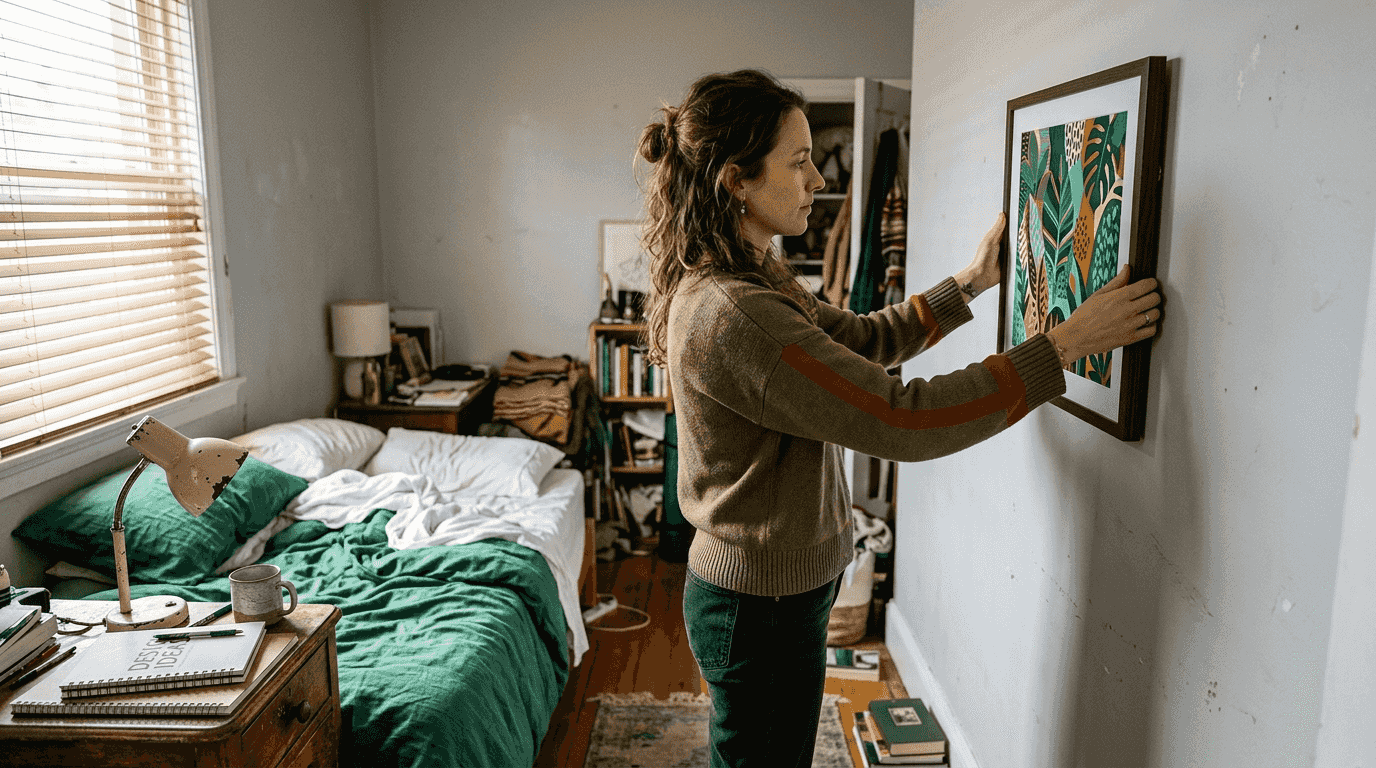
Art fatigue represents another challenge many overlook. High exposure to the same pieces creates habituation, where your brain stops registering the visual input. Research confirms that art fatigue reduces benefits and the luxury feel of your space. The solution involves strategic rotation and curation rather than permanent displays.
Steps for maintaining art freshness:
- Rotate pieces seasonally to create renewed visual interest
- Store rotated art properly to maintain condition and value
- Introduce new pieces gradually rather than complete overhauls
- Document your collection to track rotation schedules
- Create themed rotations around seasons or moods
Scale matters enormously for visual harmony. Art covering about two-thirds of your wall width creates balanced proportions that feel intentional rather than random. Too small reads as timid, while oversized pieces can overwhelm unless your space specifically supports them. Measure your walls and calculate the ideal size before purchasing.
Room function should guide your art choices. Bedrooms benefit from calming imagery and cool colors that promote rest. Social spaces like living rooms thrive with energizing pieces that spark conversation. Work areas need focused, inspiring art that supports concentration without distraction.
| Art Type | Authenticity | Cost | Uniqueness | Emotional Connection |
|---|---|---|---|---|
| Original works | Highest | Premium | Complete | Strongest |
| Limited editions | High | Moderate to high | Strong | Very good |
| Emerging artists | High | Accessible | Excellent | Personal |
| Mass-produced | Low | Budget | Minimal | Weak |
Pro Tip: Follow emerging artists on social media and purchase directly when possible. You get unique pieces at accessible prices while supporting creators, and your collection gains value as artists develop their careers.
Learning how to curate art poster wall displays provides practical frameworks for arrangement and selection. The goal centers on creating collections that feel cohesive yet dynamic, reflecting your evolving tastes while maintaining visual harmony.
Balancing art intensity to prevent clutter while maximizing impact
Too much art creates the opposite of the intended effect. Overloading walls with multiple pieces or choosing overly large works generates visual chaos that increases stress rather than reducing it. Your brain struggles to process competing focal points, leading to cognitive overload and reduced relaxation in your own space.
Research shows that art-heavy decor risks clutter and chaos versus minimalist calm, with balanced approaches preserving fascination without overwhelm. The distinction matters because the goal isn’t maximum art coverage but optimal impact. Strategic placement beats saturation every time.
Integrating greenery and texture requires similar thoughtfulness. Plants increase visual interest and complement art beautifully, but excessive greenery combined with dense art displays tips into chaos. The key involves treating all visual elements as part of a unified composition rather than independent additions.
Balance strategies for art display:
- Curate selectively, choosing fewer high-impact pieces over many mediocre ones
- Rotate collections to maintain freshness without permanent density
- Incorporate negative space as an active design element
- Match scale to room size and viewing distance
- Group smaller pieces into cohesive galleries rather than scattering them
- Consider sight lines and focal points when placing art
Negative space functions as more than empty wall. It provides visual rest that allows your eye to appreciate the art you display. Japanese aesthetic principles call this “ma,” the meaningful void that gives form to what surrounds it. Western design often undervalues this concept, leading to cluttered spaces that diminish rather than enhance art impact.
“The most powerful art displays create breathing room around each piece. When every wall screams for attention, nothing receives the focus it deserves. Strategic restraint amplifies impact while supporting the emotional benefits that drew you to art-inspired decor initially.”
Viewing distance influences ideal scale and density. Art you view from across a room can handle larger scale and bolder composition. Pieces in intimate spaces like hallways or reading nooks benefit from smaller scale and simpler imagery that rewards close examination without overwhelming.
Understanding the broader benefits of art-inspired decor helps you make intentional choices about intensity and balance. The advantages compound when you create spaces that support sustained engagement rather than immediate overwhelm.
Explore unique art-inspired decor at Art-O-Rama
Ready to transform your space with art that actually reflects who you are? Art-O-Rama offers a curated collection of unique pieces from renowned artists like Picasso, Matisse, and Banksy, alongside emerging creators whose work brings fresh perspectives to your walls. Whether you gravitate toward classic art movements or contemporary pop culture expressions, you’ll find pieces that resonate.
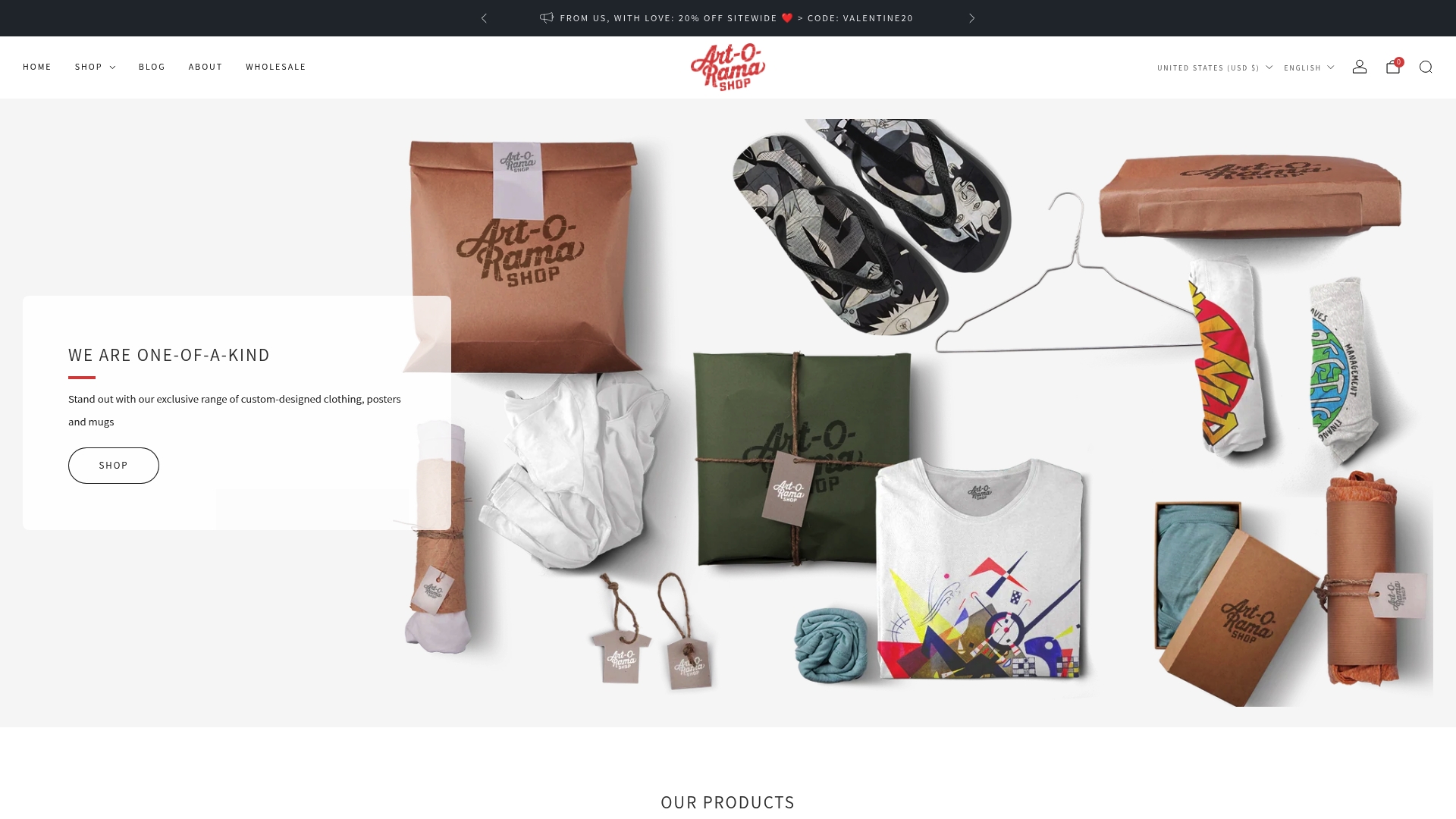
Our collection spans art-themed posters, collectible mugs, and apparel that extends your artistic expression beyond walls. High-resolution printing and exclusive designs ensure your choices remain distinctive. Fast shipping means you can start enjoying the emotional and aesthetic benefits quickly.
Explore the Art-O-Rama homepage to browse by artist or style. Looking for guidance? Our art-inspired home decor guide provides deeper insights, while our art poster wall curation article offers practical arrangement strategies. Your unique living space starts with authentic art choices that support your well-being.
Frequently asked questions about art-inspired home decor
How often should I rotate art pieces to avoid visual fatigue?
Rotate art every three to six months to maintain freshness and prevent habituation. Seasonal changes provide natural rotation points that align with shifting light and mood.
What exactly is biophilic art and why does it help mental health?
Biophilic art features nature-inspired imagery that triggers evolutionary calm responses in your brain. Research shows it significantly reduces depression and anxiety symptoms over sustained exposure periods.
Can I mix different art styles without creating visual clutter?
Yes, but establish a unifying element like color palette, frame style, or theme. Limit yourself to two or three distinct styles per room to maintain cohesion while expressing range.
How do I choose the right art scale for different room sizes?
Aim for art covering approximately two-thirds of your wall width for balanced proportions. Larger rooms support bigger pieces, while intimate spaces benefit from smaller scale that rewards close viewing.
What are the best ways to avoid buying generic mass-produced art?
Purchase from emerging artists, limited edition prints, or curated collections that emphasize originality. Avoid pieces you see repeatedly in stores or that lack artist attribution and unique perspective.

